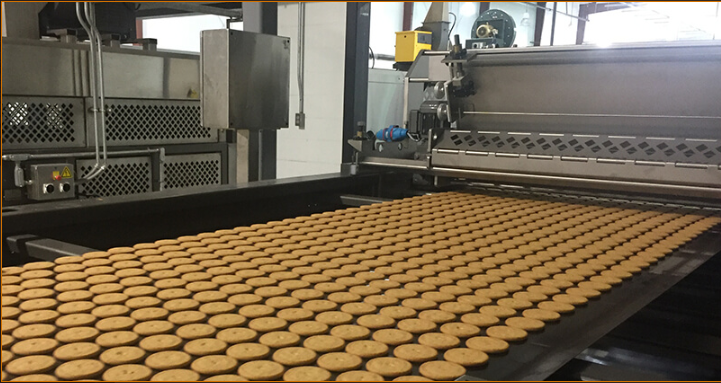
Getting Your Rotary Oven Heat Just Right
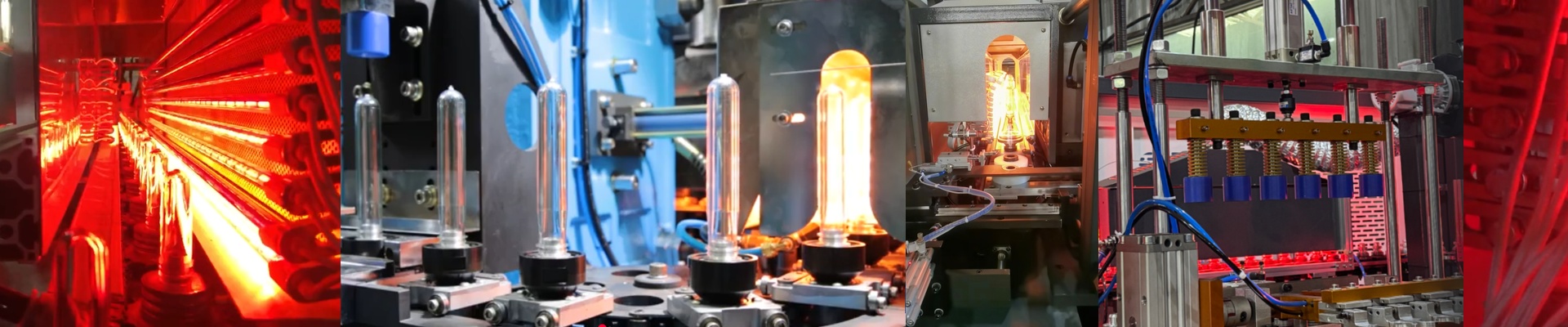
If you’ve ever dealt with rotary ovens, you know the struggle. Getting the heat to hit every spot evenly is a nightmare, especially when the oven is spinning. You don’t want your product waiting around for the air to warm up. That’s why we use short-wave infrared tubes. The heat hits the surface instantly. It doesn’t matter how much air is floating around inside the oven; the energy just goes straight to the product. No lag. No guessing. Speed and Power It all comes down to how much power we pack into the length of the tube. We use high-density quartz because it gets you to your target temperature in a few seconds. This is a lifesaver when you crank up the conveyor speed. Instead of waiting for the oven walls to soak up heat like a sponge, the energy jumps straight to the work. It’s fast. Really fast. And that makes your consistency a whole lot easier to manage. Built to Last (If You Treat Them Right) We use high-purity quartz because it can handle the “thermal shock” of jumping from cold to hot without snapping. We also tweak the filament geometry so the tubes don’t just burn out when you’re pushing them hard. But here’s the thing: the connectors are usually where things go wrong. We stick to R7s or Sk15 bases because they actually stay tight. A loose connection means arcing, and arcing means a dead tube. Do yourself a favor and check your wiring torque every few months. It takes five minutes and saves you from annoying voltage drops. The Trade-offs Now, these high-output tubes aren’t “plug and play.” They pull a lot of juice. If you’re running a high-wattage array, your power supply is going to feel it, especially during startup. Don’t try to run these on a basic relay—you’ll fry something. You’ll want a PID controller and SCRs to keep the power steady. Also, keep an eye on your cooling fans. If the air isn’t moving, heat builds up around the ends of the tubes and eats away at the quartz. Keep the airflow clear, and your tubes will last much longer.