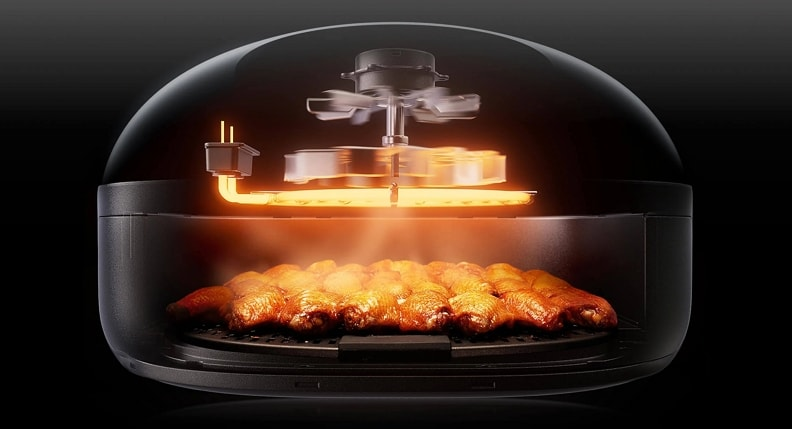
Keeping Pastries Perfect: The Secret is in the Quartz
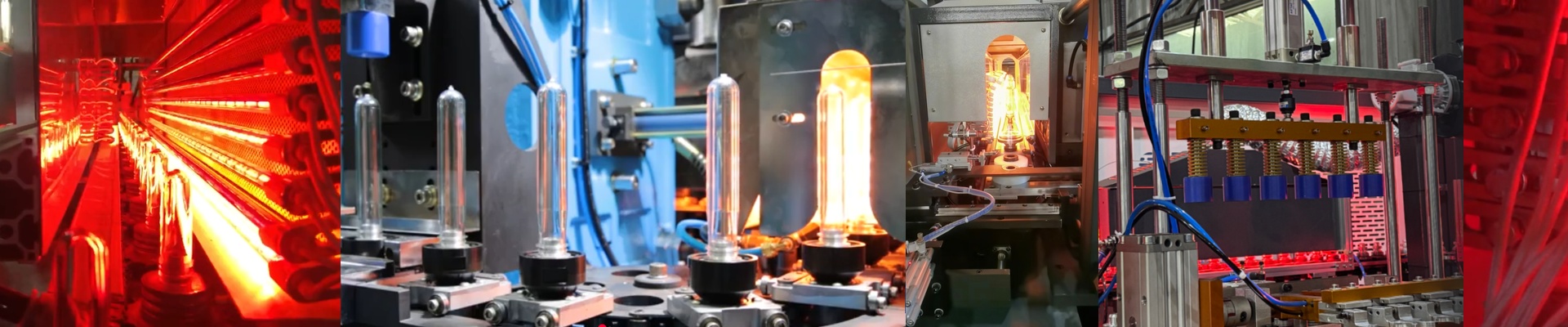
Nobody likes a pastry that’s gone dry or a protein that’s been held too long and turned rubbery. In a modern kitchen, the margin for error is tiny. You need the heat to be exactly right—not “close enough,” but exact. That’s why we use high-purity quartz tubes. Instead of just heating up the air and hoping for the best, these tubes let short-wave infrared radiation shoot straight through. The heat goes directly into the food. It’s cleaner, faster, and way more efficient. Getting the temperature just right We don’t just guess on the power. We calculate the wattage-per-centimeter specifically for your needs. This lets us pack a lot of heating power into a small space, which is great if your oven ceiling is crowded. The best part? Quartz doesn’t hold onto heat like a heavy piece of metal does. If you hook these up to a PID controller, they react instantly. When you want heat, it’s there. When you cut the power, the heat drops off almost immediately. You don’t have to deal with that annoying “overshoot” where the oven stays hot for too long and ruins the batch. Built for the chaos of a bakery Bakeries are tough on equipment. Between the steam and the constant temperature swings, things break. We use fused quartz because it can handle those rapid shifts without cracking. We can also tweak the length and the end-caps to fit whatever chassis you’re already using. And since moisture is the enemy of heating elements, we make sure the seals are airtight. If air leaks in, the filament oxidizes, and your lamps burn out way sooner than they should. No one has time for that during a morning rush. A few things to keep in mind Short-wave IR is powerful stuff, but it requires a bit of respect. Because the heat is so concentrated, your reflectors need to be polished to a mirror finish. If they’re dull, they’ll soak up that heat and actually warp your oven housing. Also, double-check your wiring. Since we customize the wattage, you want to make sure your wires can handle the current draw. Otherwise, you’ll run into voltage drops, and you won’t get the performance you paid for.