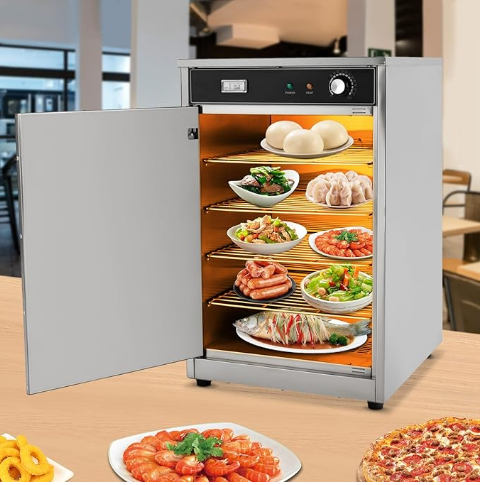
Fixing the “Cold Spot” Problem in Multi-Layer Ovens
Let’s be honest: multi-layer convection ovens can be a pain. You set the temp, but the top rack is scorching while the bottom rack is barely warm. Airflow helps, sure, but it often isn’t enough to bridge that gap. We found a better way. Instead of just relying on air, we added infrared (IR) heating elements. This gives you total control over every single layer.
Why Independent Zones Actually Work
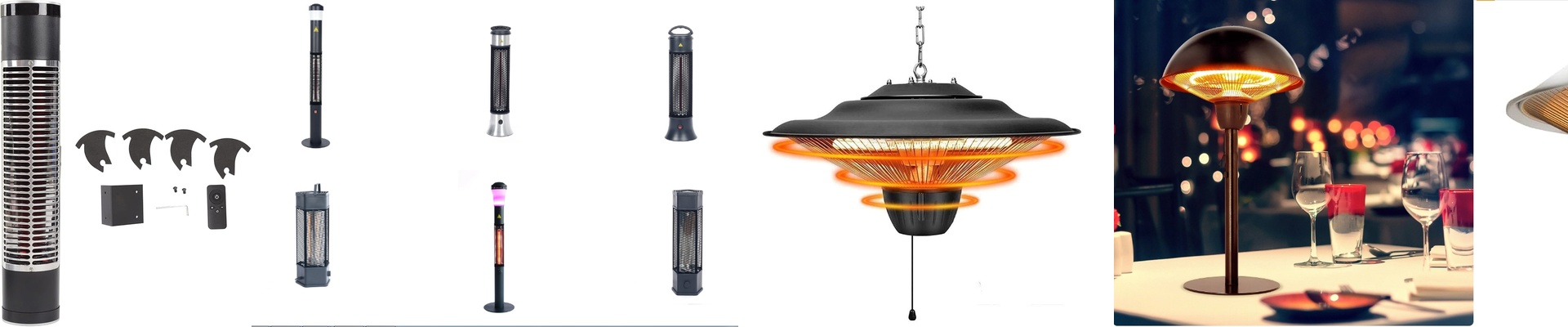
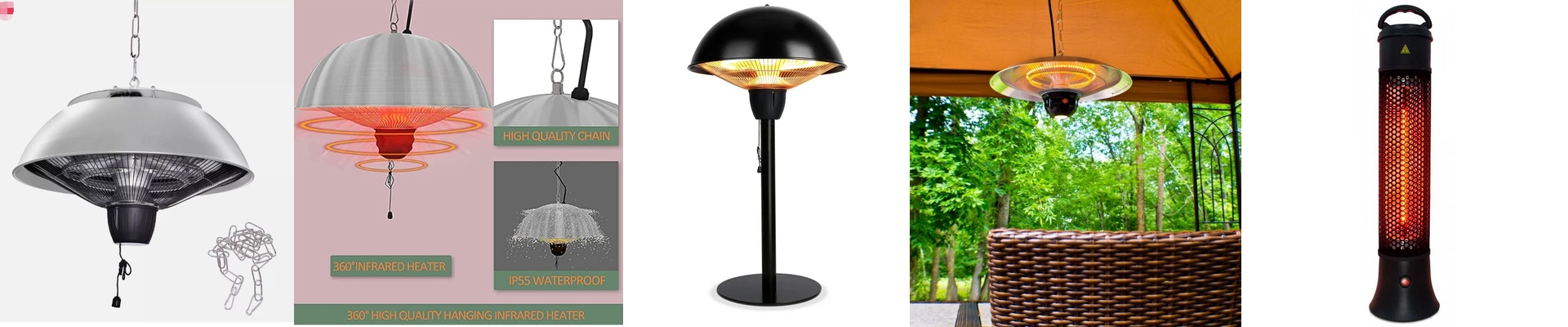
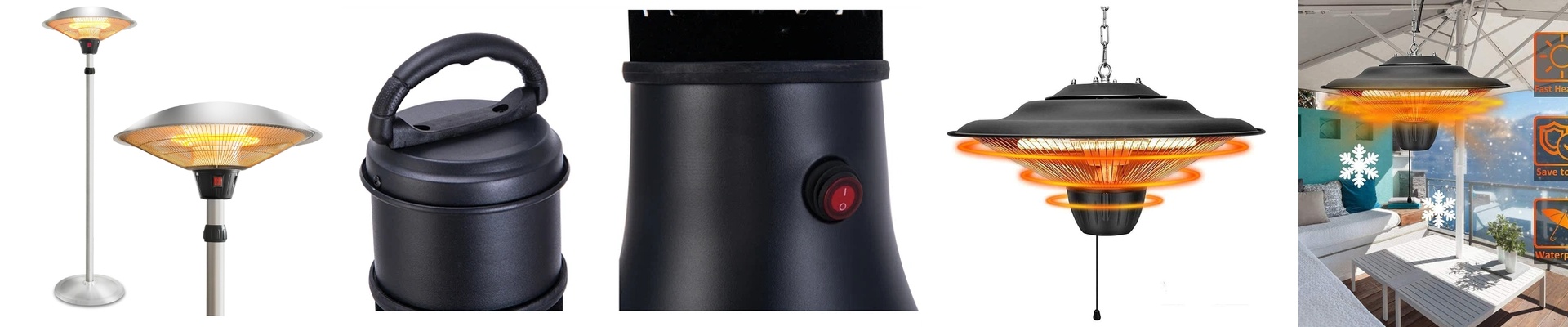
Standard convection is basically just blowing hot air around. It’s fine for some things, but as soon as you crowd the oven, you get “cold spots” where the air just can’t reach. That’s where the IR lamps come in. They don’t wait for the air to heat up; they send energy straight into the food. It’s direct. It’s fast. Plus, we wire each layer to its own PID controller and thermocouple. This means if your bottom shelf is packed tight but your top shelf is nearly empty, you can just dial in different temperatures for each. You aren’t stuck with a “one size fits all” setting.
The Nitty-Gritty Hardware
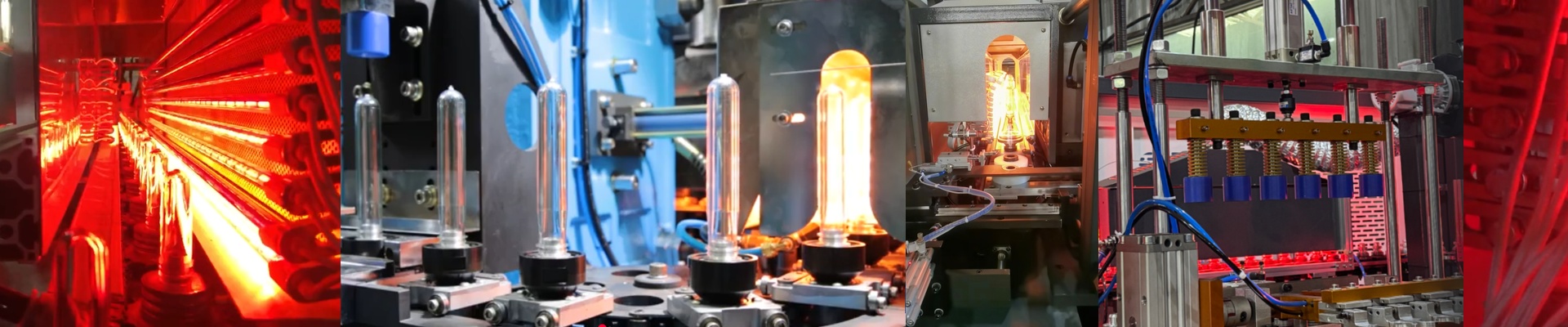
We use quartz-glass envelopes for the tungsten filaments. Why? Because they can take a beating. They handle extreme heat without warping or cracking. Depending on how much power your shop has, we can tweak the wattage and voltage to fit your setup. One thing to watch out for: the connection points. That’s usually where things go south. We use standard R7s or SK15 bases because they stay tight. A loose fit leads to arcing, and that’s a quick way to burn out a tube. Also, if you’re pushing high wattage to get things reheating instantly, double-check your wiring gauge. You don’t want a voltage drop killing your efficiency.
The Trade-offs (Because nothing is perfect)
The best part about IR? It’s instant. You turn it on, it’s hot. You turn it off, it cools down immediately. It beats waiting for heavy resistive coils to slowly warm up. But here’s the catch: IR is line-of-sight. If you overload your trays, the lamps only hit the top of the product. The middle stays cold. That’s why you still need those convection fans. They keep the air moving so the sides of your food don’t lag behind. The trick is finding that sweet spot between your IR intensity and your fan speed. Once you nail that, everything comes out uniform.