How to Actually Pick a Replacement Infrared Lamp for Your Oven
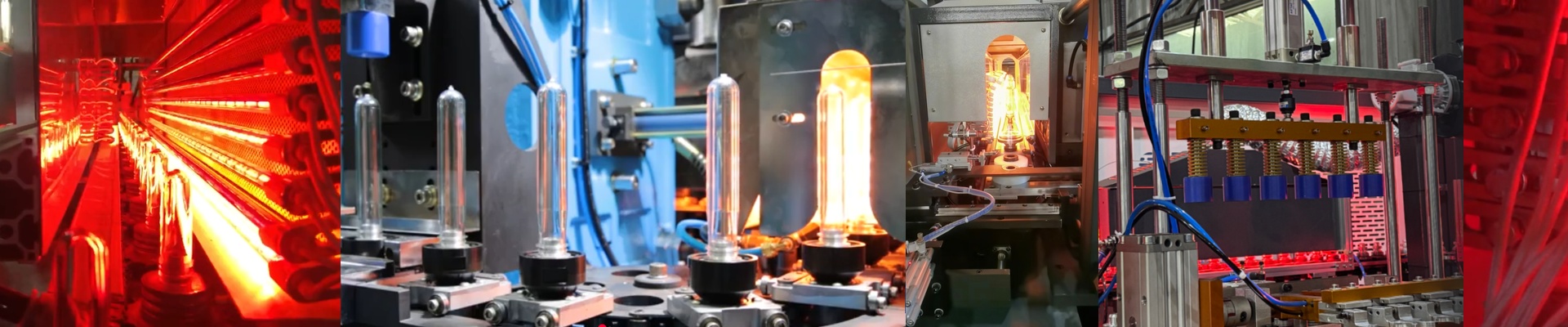
If you’ve ever tried to replace the infrared bulbs in an imported convection oven, you know the struggle. You’re usually stuck between two bad options: paying a ridiculous markup for “official” OEM parts, or buying a cheap knock-off that burns out before you’ve even finished your first week of service. The secret is to stop looking at the brand name and start looking at the physics. Watch your voltage and power. Here’s the thing: you can’t just grab a bulb because it looks like it fits the length. If your oven runs on 230V and you pop in a 110V bulb, it’s going to blow instantly. It’s a loud, frustrating mistake. But it works the other way, too. Put a high-voltage bulb in a low-voltage circuit, and it’ll never get hot enough to actually reheat your food. And keep an eye on the wattage. A 500W tube and a 1000W tube might be the exact same length, but they hit the food very differently. Just make sure your power supply can handle the load before you flip the switch. Quartz, Halogen, and the “Wave” Most of the good lamps use quartz glass. It’s tougher and doesn’t freak out when the temperature jumps up and down rapidly. You’ll mostly see halogen-filled tubes because they keep the filament from thinning out and snapping too early. But wait—check the coating. There’s a big difference between shortwave (SWIR) and longwave (LWIR) infrared. Shortwave sinks deep into the food. Longwave just hits the surface. If you swap a shortwave lamp for a longwave one, you’re going to notice your reheating times creeping up, and that’s a nightmare when you’ve got a line of customers. The “Almost Fits” Trap Connectors like R7s or SK15 are common, but they aren’t always identical. If a bulb is even 2mm too long, it puts pressure on the quartz. That stress leads to cracks and early failure. It’s a tiny detail that causes a huge headache. Plus, high-wattage tubes get incredibly hot. If you go for a budget lamp with high density, make sure your oven’s vents are actually doing their job. If the air around the sockets gets too hot, the contacts oxidize, and your lamp dies. Keep it cool, keep it precise, and you’ll stop wasting money on bulbs that don’t last.