Stop Fighting Your Oven’s Temperature Swings
Anyone who’s spent time with industrial bread ovens knows the struggle. You open the door to slide in a fresh set of trays, and boom—half your heat vanishes into the room. Standard heating elements are just too slow. By the time they catch up, you’re staring at uneven crusts or, even worse, doughy centers. It’s frustrating. We handle this by using linear infrared heaters and a system that reacts in real-time.
How the “Thermal Boost” Actually Works
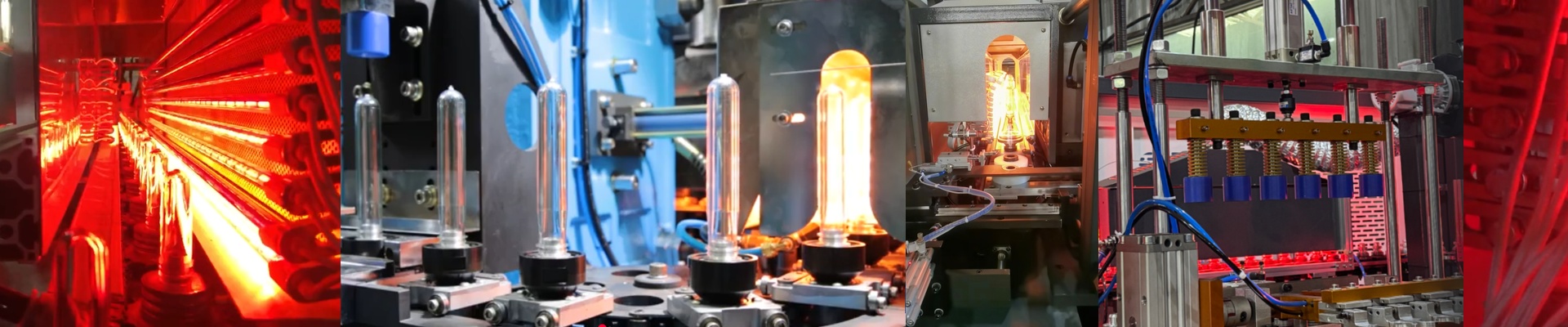
Here is the secret: infrared lamps don’t waste time heating up the air. They send energy straight into the dough. To keep things steady, we pair these lamps with fast-response thermocouples and a PID controller. Think of it like a thermostat on steroids. The second the sensor feels that dip from an open door, the system kicks the IR tubes into high gear. It happens in seconds. You get a steady, flat temperature curve, no matter how many times you’re opening and closing those doors.
The Gear (And the Gotchas)
We usually go with short-wave quartz tubes. They’re great because they hit full temp almost instantly. But there’s a catch. Because they put out so much concentrated heat, your oven housing has to be built for it. If your insulation is weak or the chassis isn’t up to the task, you’ll start seeing the outer panels warp over time. It’s a trade-off, but it’s worth it for the speed.
Setting it Up Right
If you’re wiring this, do yourself a favor: use solid-state relays (SSRs). Avoid mechanical contactors. Seriously. The system switches on and off so fast to keep the temp precise that a mechanical switch will just burn itself out in a few weeks. By focusing that IR energy right on the surface of the bread and letting the sensors do the heavy lifting, those annoying “cold spots” from convection ovens just disappear. You get that perfect, consistent brown every single time.