
Why Your Oven’s Heating Tube Actually Matters
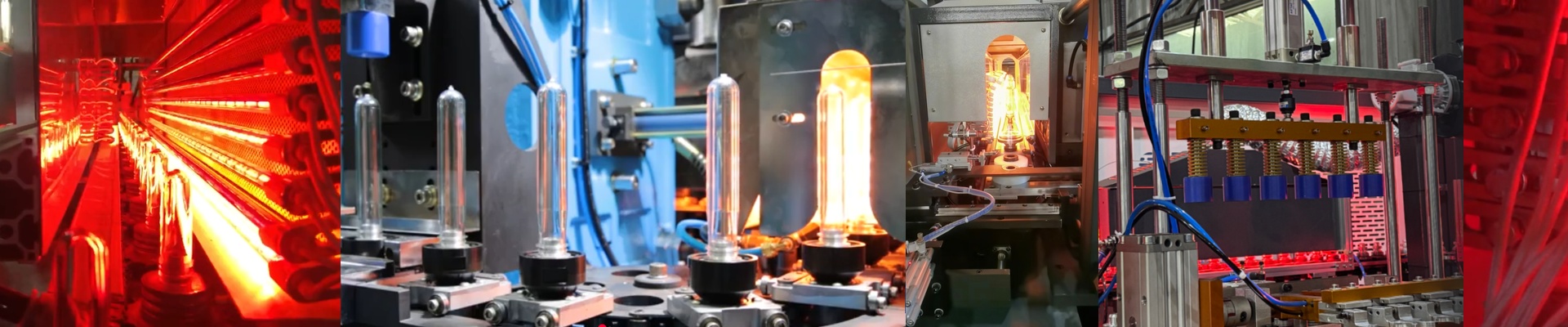
Think of the heating tube as the heart of your convection oven. If it can’t hit the right temperature quickly—or if it swings by 10 degrees here and there—your bake is toast. Literally. Most people starting out deal with “baking disasters” because of poor thermal recovery. It’s a simple problem: you open the door, the heat rushes out, and the oven struggles to catch up. That’s why you need a high-power tube. You want something that ramps back up instantly so your food stays in that sweet spot. Getting the power right We build these tubes to pack a lot of wattage into a small space. When the power density is high, the element gets hot in seconds. This stops that annoying temperature dip you get when you slide a tray in. If you go with a tube that’s too weak, your oven just ends up pushing lukewarm air around with the fan. That’s how you end up with those frustrating raw centers and uneven brown spots. The gear inside We use high-grade quartz glass to house the filament. It’s a smart choice because quartz lets infrared radiation pass right through while keeping the wire safe from oxidation. Some of our tubes even have special coatings. These help the heat actually sink into the food instead of just scorching the outside. And we keep the fit tight. We use standard industrial connectors so you can swap them out fast, but we make sure they seat firmly in the housing. If there’s a gap, you’re just wasting energy. The catch: Precision and Stress Here’s the thing: high-power tubes need a decent PID controller to manage them. If you use a cheap one, it’ll likely overshoot the target temperature. That’s where those “burnt edges” come from. Pushing all that wattage through a small tube also puts a lot of stress on the filament. Make sure your wiring gauge can handle the current, or you’ll risk a burnout at the terminals. Plus, give the housing some room to breathe. If there’s no ventilation, your oven chassis is going to get way too hot.