Why Your Bathroom Mirror Needs a Heater
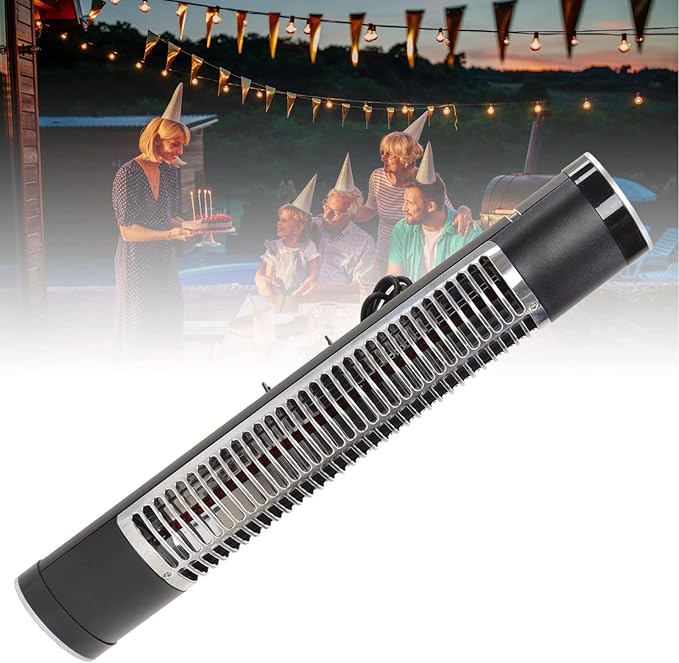
We’ve all been there. You step out of a hot shower, walk into the dressing area, and it feels like you’ve just stepped into a walk-in freezer. Between the cold tiles and the damp air, traditional heaters just can’t keep up. They try to warm the whole room, which takes forever. That’s why we use shortwave infrared. Instead of fighting with the air, it goes straight for you. You turn it on, and you feel the warmth instantly. No waiting. No shivering. How it actually works Think of it like the sun. You don’t feel the air around you getting hot when you step outside in July; you feel the rays hitting your skin. These lamps do the exact same thing. They send out energy that turns into heat the second it touches something solid—like you, or maybe your favorite robe. It’s fast. Really fast. Because we’re dealing with light, there’s no heating coil that needs to “warm up” first. It’s just on. The gear inside To make this happen, we use high-purity quartz glass for the tubes. Why? Because these things get hot quickly, and regular glass would just crack under the pressure. And that mirror behind the lamp? It’s not there to look pretty. It’s a parabolic reflector. It grabs the heat and pushes it forward in a tight beam, aiming it right at you instead of wasting all that energy on the ceiling. A couple of things to keep in mind Here’s the thing: these lamps pack a punch. Since they pull a decent amount of power, you’ll want to make sure your circuit breaker can handle the load. You don’t want the lights going out right in the middle of your morning rush. Plus, because shortwave IR is so intense, placement is everything. If you mount the lamp too close to the mirror or use cheap glue, the heat can actually cause the mirror to crack or peel over time. We use heavy-duty, heat-resistant brackets and leave a bit of breathing room to keep everything safe and steady.