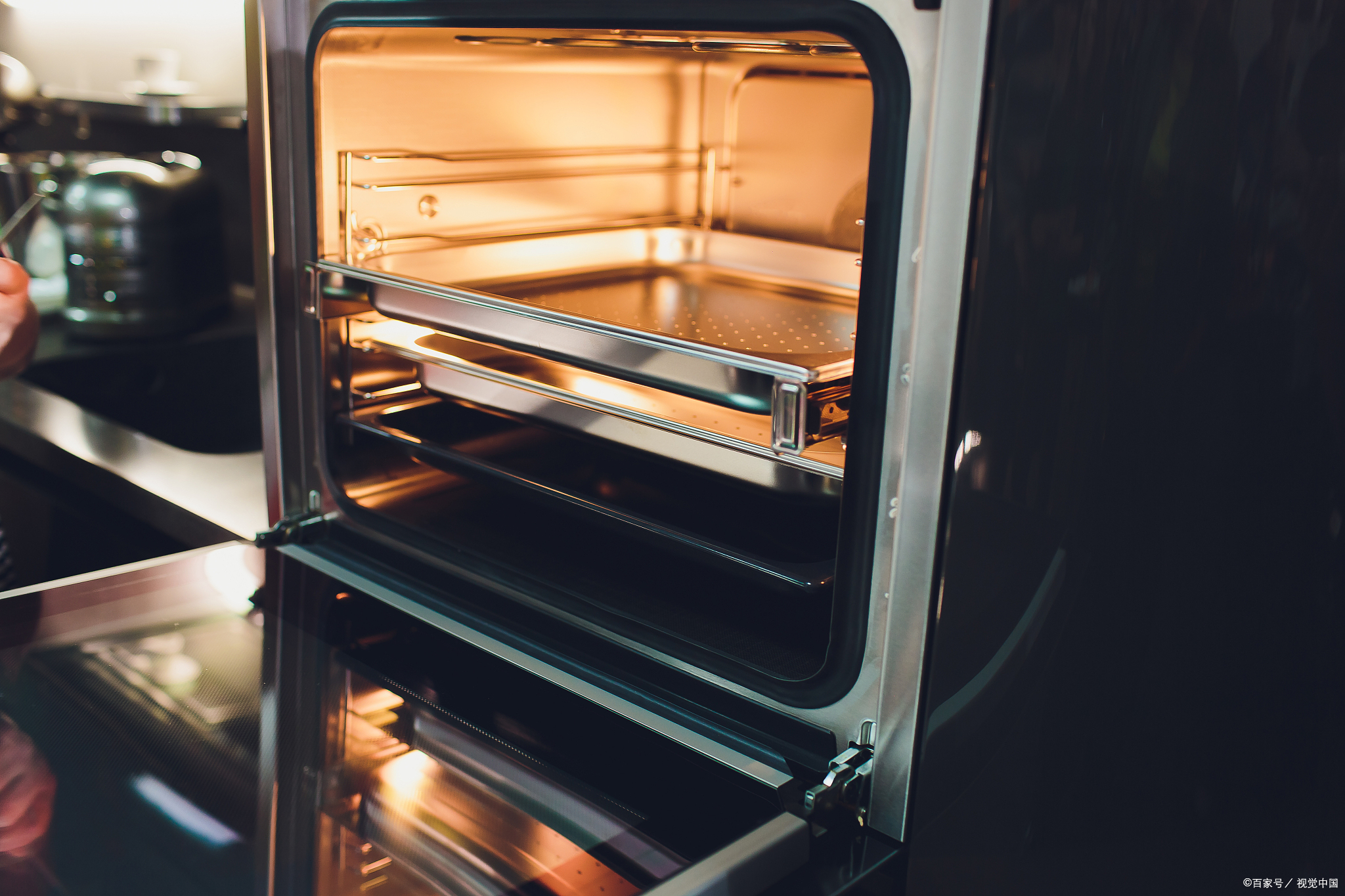
Stop Fighting Your Oven: Why “Second-Response” Heat Actually Matters
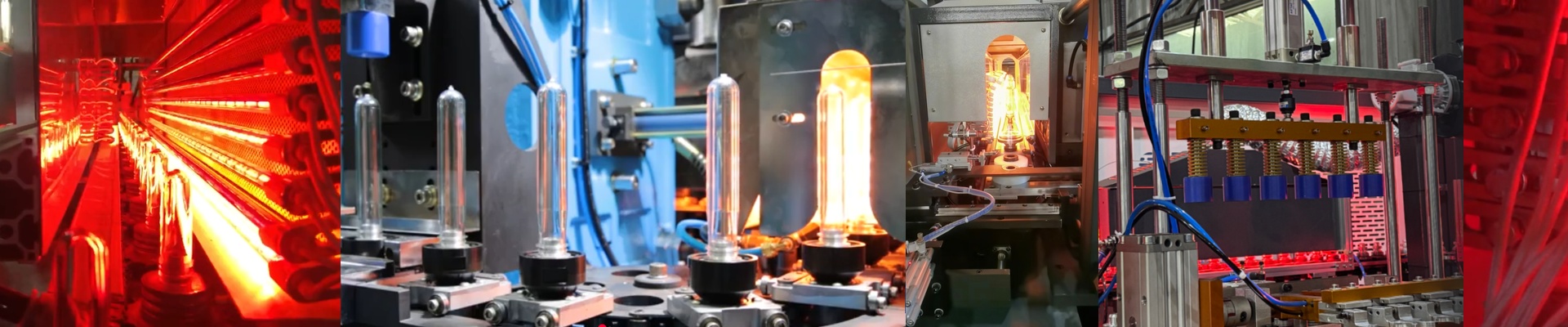
If you’ve spent any time in a high-volume bakery, you know the frustration of the “temperature dip.” You slide in a fresh batch, the oven temp drops, and suddenly your crusts aren’t consistent. Standard heating elements are just too slow. They rely on heating the air first, which creates a lag that ruins a perfectly good bake. That’s why we use shortwave infrared lamps. Think of it like the difference between waiting for a room to warm up and stepping into direct sunlight. It’s what we call “second-response” heating. The moment you flip the switch, the heat hits the dough. No waiting. No lagging. Just instant energy. The magic is in the physics We designed these lamps to skip the middleman. Instead of wasting time heating the air around the bread, the electromagnetic waves go straight into the product. This makes your life a lot easier when it comes to controlling your temps. When your sensors notice a drop, the lamps ramp up to full power in seconds. You can push your production speed—getting more batches out the door—without worrying that the quality is slipping. The nuts and bolts We build these with halogen-filled cores and high-purity quartz glass. It sounds technical, but all it really means is that the filaments can get hotter and the heat stays concentrated right where you need it. Depending on what you’re baking, you can go with clear quartz or a coated version to tweak the wavelength. But a word of caution: these things gethot. Like, really hot. If you’re squeezing them into a tight space, you’ve got to make sure there’s plenty of ventilation. If the air can’t move around the ends of the lamp, you’re looking at melted brackets or seals that fail way too early. Give them some room to breathe. Getting them running We kept the connectors standard because nobody wants to spend hours on a repair during a rush. Whether you’re using R7s or specific pin-bases, swapping a lamp out should be fast and painless. One last tip: check your wiring. These lamps pull a lot of power. If your wire gauge is too thin, you’ll get voltage drops, which means some parts of your oven rack will be hotter than others. Use the right wire, and you’ll get a perfectly even bake across the board.