Stop Dealing With Cold Spots in Your Bakery Ovens
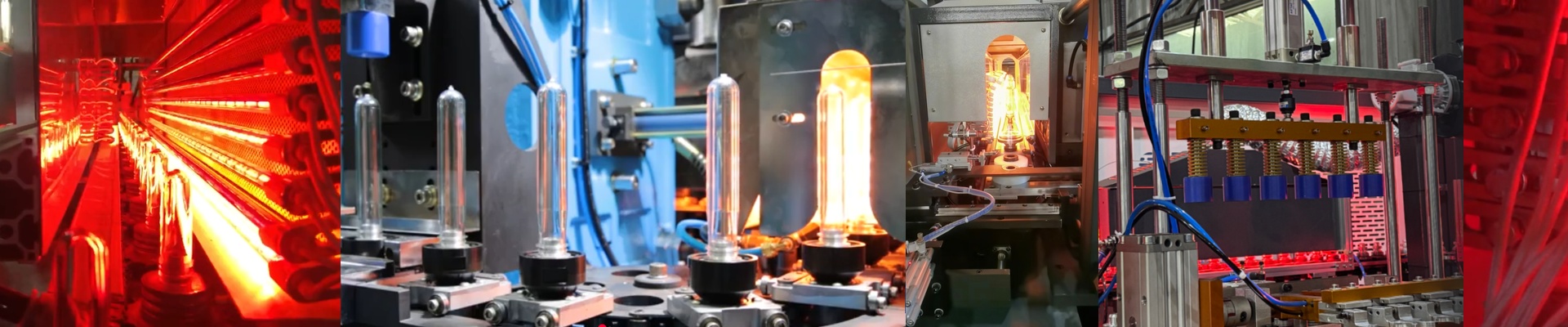
There is nothing more frustrating than pulling a tray out of the oven only to find the edges are burnt to a crisp while the middle is still raw dough. It’s a waste of ingredients, a waste of time, and a total headache. Usually, it means your temperature control just isn’t cutting it. That’s why we use 1000W infrared (IR) emitters. Most ovens rely on convection—basically just blowing hot air around. But IR is different. It doesn’t wait for the air to warm up; it sends energy straight into the product.
Why the 1000W Power Matters
We go with a 1000W rating because you need that kind of punch to get through the dough quickly. The goal here is a fast ramp-up. When the heat hits hard and fast, the crust sets before the product has a chance to lose too much moisture. You end up with a consistent bake across the entire oven, no matter where the tray is sitting.
The Secret is in the Quartz
We build these emitters from high-purity quartz glass. Why? Because ovens are brutal. They heat up and cool down constantly, and cheap glass would just snap under that kind of thermal shock. Inside, the filament is tuned to a short-to-medium waveband. This ensures the heat actually penetrates the food instead of just scorching the surface. But here is a pro tip:**check your reflectors.**If they’re warped or covered in grime, that 1000W output is just bouncing around randomly. You’ll be right back to square one with those same annoying cold spots.
Getting Them Installed (And Keeping Them Alive)
These are designed to be drop-in replacements, so the physical install is pretty easy. But a word of caution on the wiring. A bank of 1000W emitters puts out a lot of ambient heat. If your cooling fans aren’t up to the task, your relays are going to fry. It’s a simple fix, but one you don’t want to overlook. And please, keep the quartz tubes clean. Bakery fats and grease love to build up on the glass. That grease absorbs the IR energy, creating a hot spot on the tube that will eventually cause it to crack. A quick wipe-down saves you a lot of money in the long run.