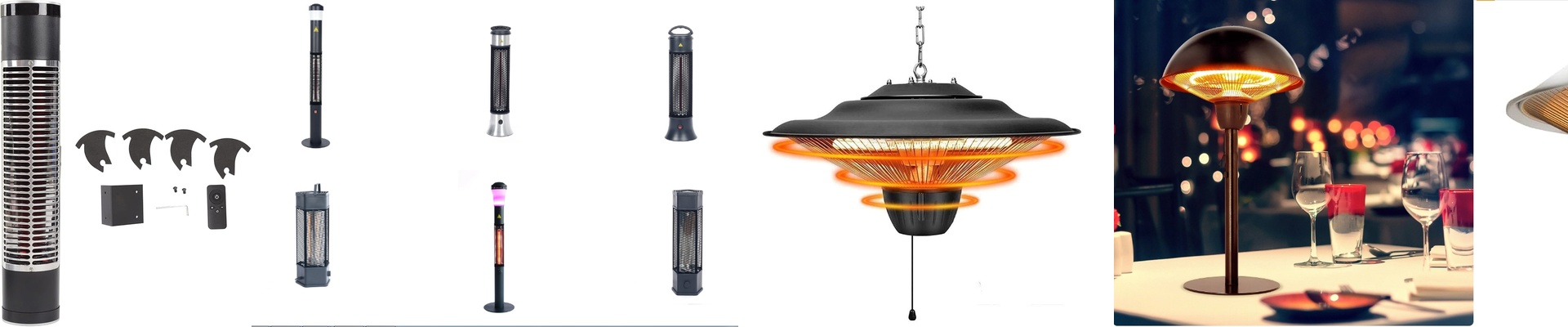
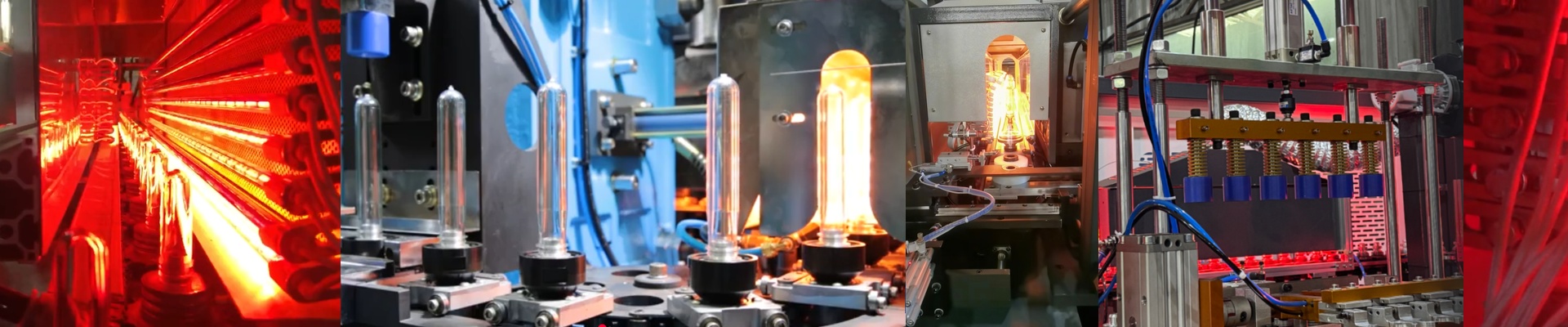
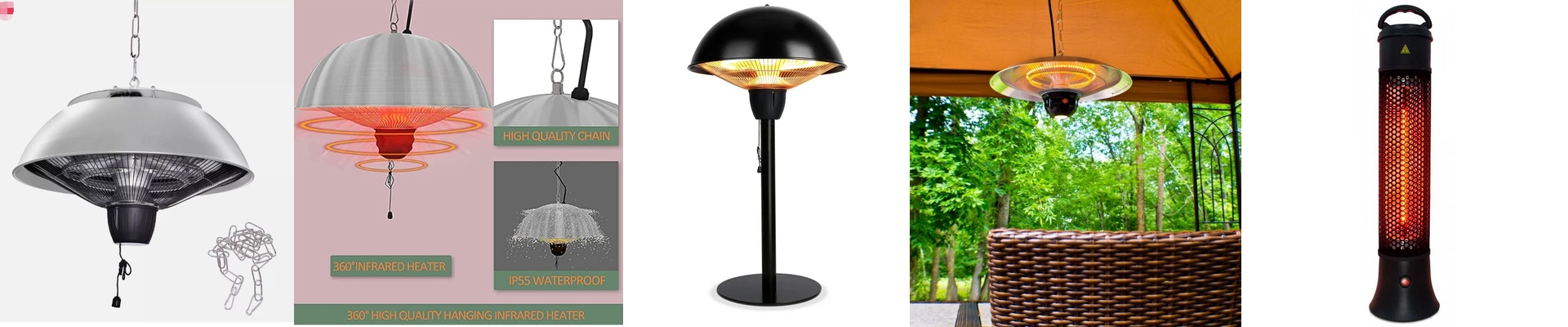
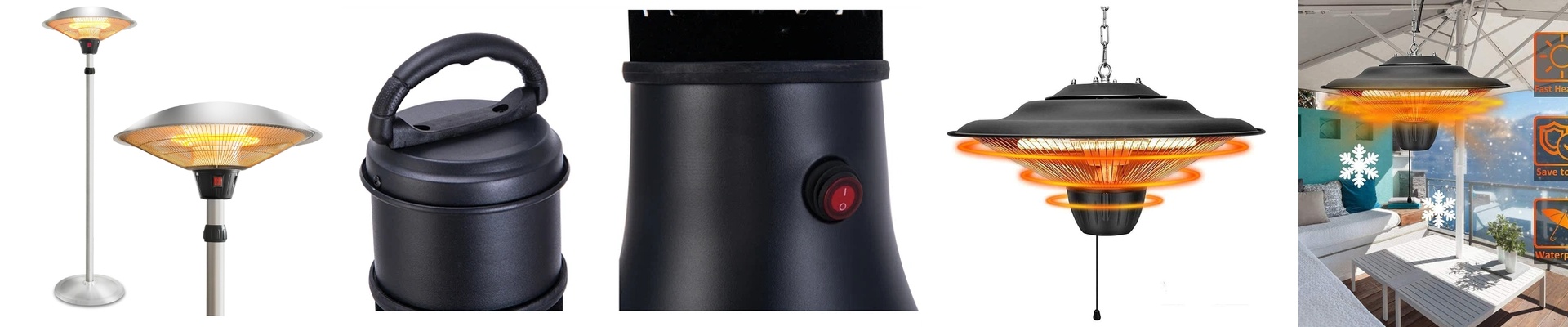
On a packed bake-off line, the toaster oven is usually the choke point when it can’t recover fast enough. Door opens, heat bleeds out, and every load drags while the chamber claws back to set-point. The result? Stretched cycle times and top color that’s either pale or streaky. We built an IR emitter for heat retention to close that gap, so the baking chamber snaps back quickly and every slice finishes with even, consistent color. What matters under the hood This emitter runs on quartz halogen elements tuned for short-wave IR. It delivers direct energy right into the product surface without turning the whole airspace into a sauna. In real life, that translates to faster recovery after door openings and a tighter temperature band when service is peaking. The specs are straightforward: standard voltages, a compact footprint, and solid terminals that hold up in tight toaster ovens. Output stays stable, so you get repeatable results shift after shift. Why this works in a rush Fast recovery means shorter bake windows and more throughput when the rush hits. The IR profile lays down even browning across the top—golden hue and a crisp bite without scorching. You’ll see consistent color from the first slice to the last, so there’s less guesswork at the pass. Energy use drops because the heating element isn’t fighting thermal lag, and shorter preheat and recovery windows cut idle time. The upshot is a calmer station, fewer rejects, and a finish you can count on. Things to keep straight Clearance matters. Keep the emitter at the recommended distance from the product path to avoid hot spots and keep the element protected. Before ordering, verify your oven’s mounting pattern and electrical rating, and make sure the control can handle the faster response. Set up right, the emitter can take the heat and the wipe-down pace of a working kitchen—but it has to fit properly to do its job.