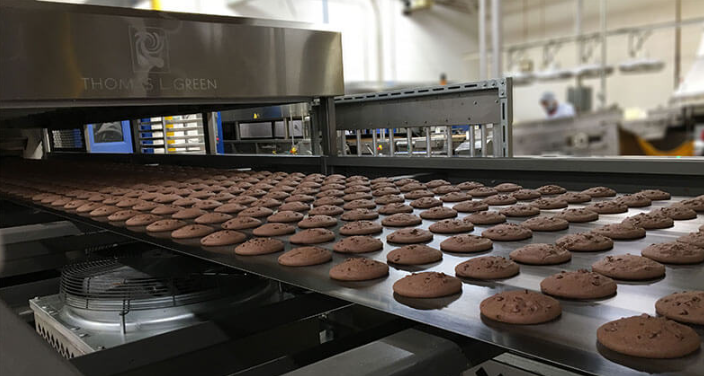
Getting That Perfect Crust: Why Frosted Quartz Matters
Getting that golden-brown caramelization—the Maillard reaction, if you want to get technical—isn’t just about cranking up the heat. It’s about timing. You need to hit a very specific temperature window and then stop. If you’re off by a few seconds, you’ve gone from “perfectly toasted” to “burnt” real quick. That’s why we use frosted quartz IR emitters in our deck ovens. They give us the control we need to nail the crust every single time.
Why “Frosted” is Better
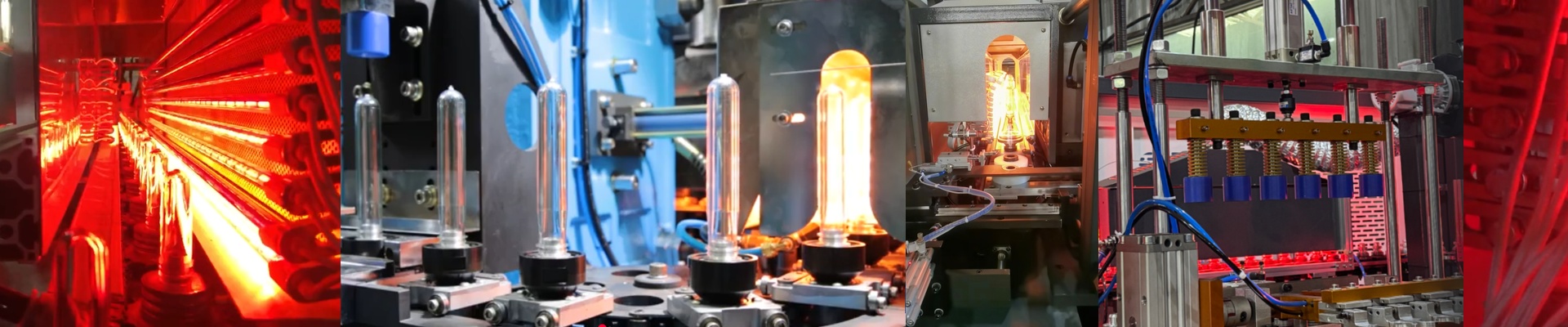
If you use standard clear quartz tubes, you’re basically dealing with narrow, concentrated beams of heat. The problem? You end up with “hot spots.” One part of your loaf looks great, while another part is scorched. We use a frosted finish to fix that. It scatters the infrared energy, spreading the heat out evenly across the whole surface. You get a consistent, beautiful brown across the entire loaf. No patches, no surprises.
Speed and Control
These emitters use shortwave IR. Here is the cool part: they don’t waste time heating up the air around the food. They transfer energy directly into the dough. It’s fast. Really fast. Because they react so quickly, your PID controller can cut the power and the heat drops almost instantly. This means you can cook the core of the bread without drying out the surface. Just a heads-up: if you’re running a high-wattage setup, double-check your wiring and contactors. These tubes pull a lot of current when they first ramp up, so you don’t want any weak links in your electrical chain.
A Few Tips for the Shop
Most of these frosted emitters are designed to slide right into standard industrial setups, so installation is usually a breeze. But be careful. Quartz is brittle.**And whatever you do, do not touch the tubes with your bare hands.**The oils from your skin create tiny hotspots that can cause the tube to crack or burn out way too early. Grab some lint-free gloves and you’ll be fine. One last thing: keep an eye on grease. Over time, gunk builds up on that frosted coating, which changes how the heat hits your food. Set a schedule to wipe them down. It keeps the heat density consistent and ensures your bread looks the same on day 100 as it did on day one.