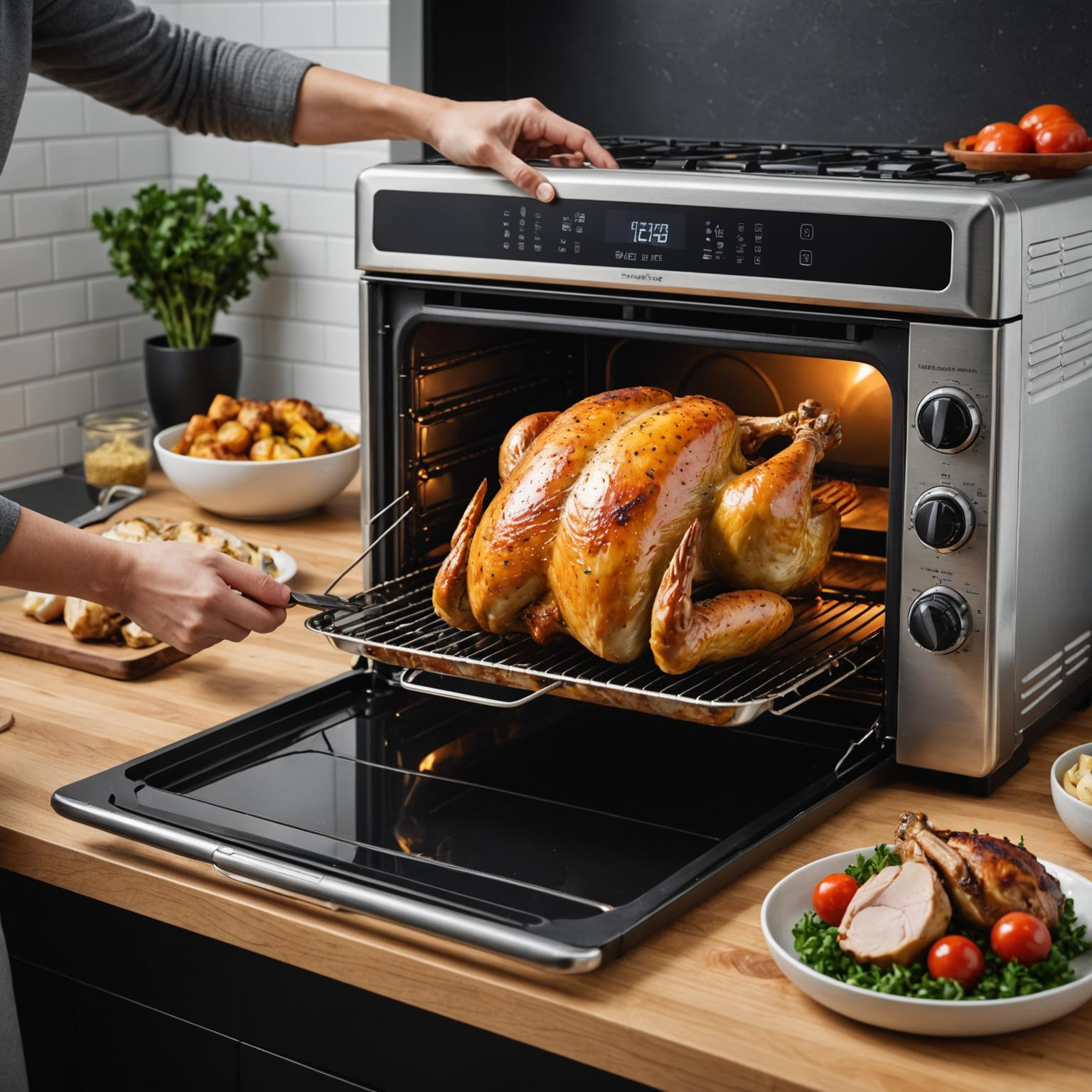
In a busy commercial kitchen, the post-service rush makes every minute cost money. Stacks of wet cups and plates parked near the oven drag out reset, and steam hanging in the baking chamber robs heat from the next bake. A tableware dryer that can’t hold a steady, even temperature? That’s how you get spots, streaks, and a damp rack that turns into a bacteria problem.
What matters, technically
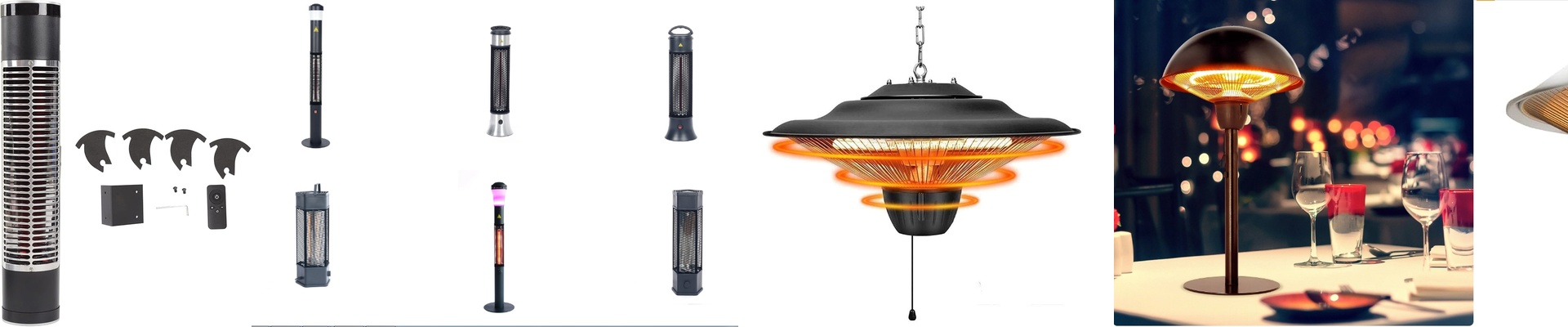
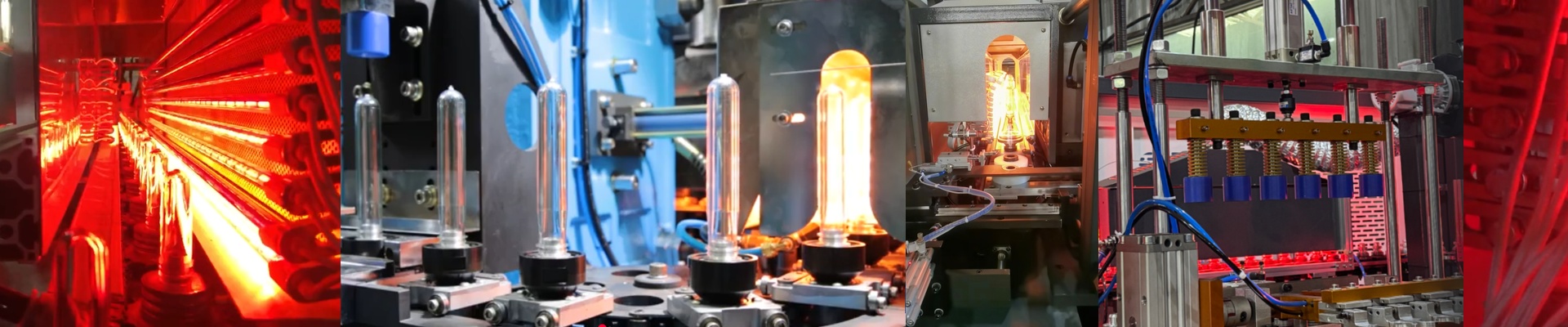
We built the temperature control for our tableware dryer around an IR emitter using short-wave quartz elements. They deliver fast, targeted heat—response time is measured in seconds, not minutes. The system holds setpoint within ±2°C across the drying zone, and the emitter array lays down a uniform heat field with ±5% flux distribution. In practice, that means water evaporates evenly off cups, bowls, and trays without scorching plastics or dulling finishes. The emitter runs on standard voltage options, fits into compact footprints, and mounts to common dryer brackets so integration is straightforward.
Why it works in the real flow
When the oven is cycling between 350°F and 500°F, the dryer has to work alongside it—without fighting for thermal stability. Our IR emitter keeps the drying zone at a repeatable temperature, so staff can reset the front counter fast and get plates back into service without waiting for ambient conditions to catch up. Faster drying cuts handling time and lowers the risk of cross-contamination from wet surfaces. Energy use drops too, because the emitter hits the load directly instead of heating the whole oven cavity.
The things you’ll want to get right
Installation is simple, but the emitter needs clear line-of-sight to the load and enough airflow around the housing to keep the quartz tube in its operating window. Keep the emitter array clean and aligned—grease and mineral deposits will throw off heat distribution. For best results, pair the dryer with a shielded thermocouple placed at the load plane. That closes the control loop and keeps that tight ±2°C stability where you need it.