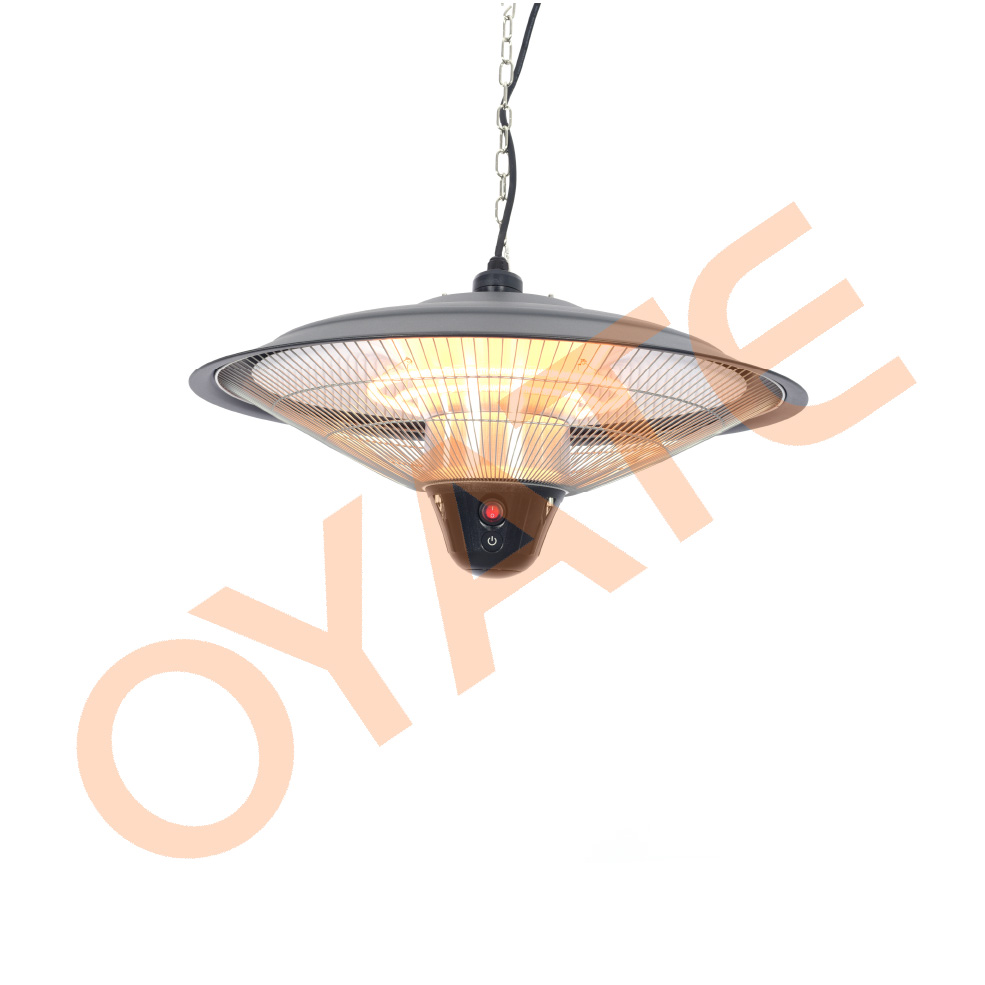
Stop Replacing Your Infrared Heaters Every Few Months
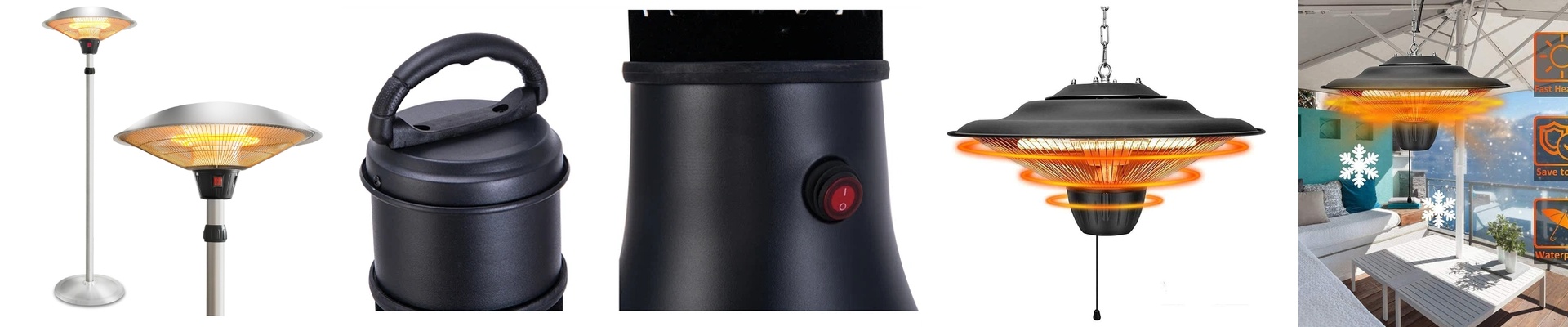
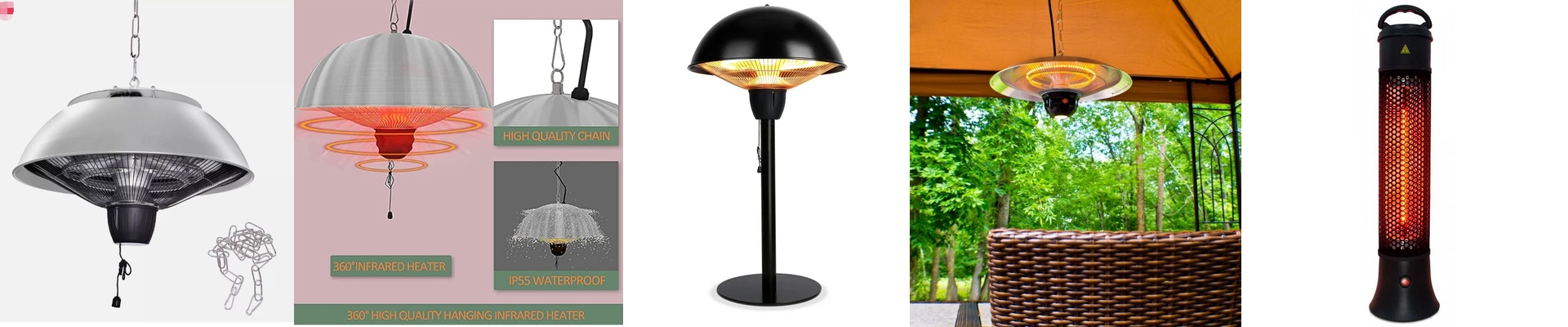
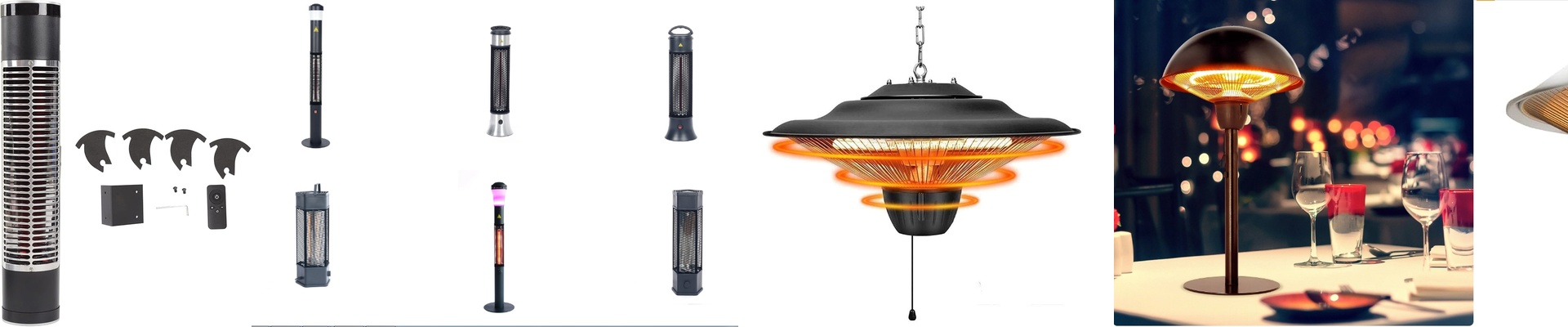
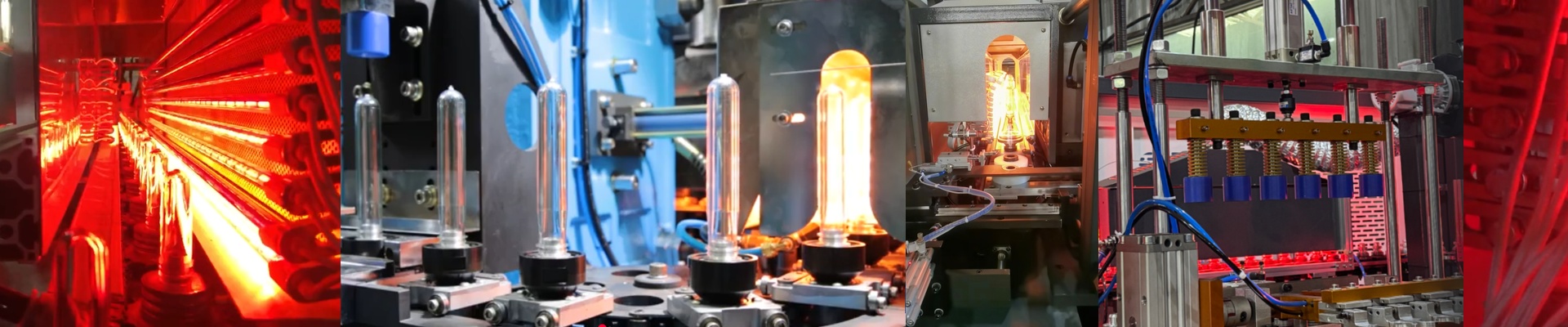
Let’s be honest: most infrared heaters don’t just “die.” They get murdered by their environment. If you’re running a shop floor, you know the drill. Dust, oil mist, and humidity settle on the quartz tubes or sneak into the electrical terminals. Then, out of nowhere, you get a short circuit or a burnout. It’s frustrating, and it’s expensive. We decided to fix this by bringing IP65 sealing to our replacement elements. What does that actually mean for you? Basically, IP65 means the unit is tight. Dust can’t get in, and water jets won’t phase it. We use high-temp silicone gaskets and reinforced seals at the connection points to make it happen. Instead of leaving your wiring out in the open to fend for itself, these seals act like a shield. They keep the fog and splashes away from the electrodes, which stops that nasty corrosion from eating your lamps alive. The “Thermal Shock” Problem Here is the real killer: water droplets. When a tiny drop of water hits a scorching hot quartz tube, it causes a localized thermal shock. This creates micro-cracks you can’t even see. Eventually, the tube just snaps. By using a splash-proof housing and an anti-fog design, we keep the surface dry. No droplets, no cracks, no snapped tubes. Now, there is a catch. If you seal a heater too tightly without a plan, you can trap the heat inside and fry the electronics. We handled that by using materials that pull heat away quickly. You get a unit that’s sealed off from the gunk outside but still breathes enough to stay cool. Real-World Use If you’re working in a chemical plant or food processing, you know the pain of “wash-down” cycles. With these, you can just wire them up and let them take a beating. If you’ve noticed your heaters keep burning out at the ends, it’s probably not a filament problem. It’s a sealing problem. Switching to an IP65 spec just takes the environment out of the equation. You stop worrying about the air around the heater and just let it do its job.