Getting Your Sidel Matrix Lamps Right
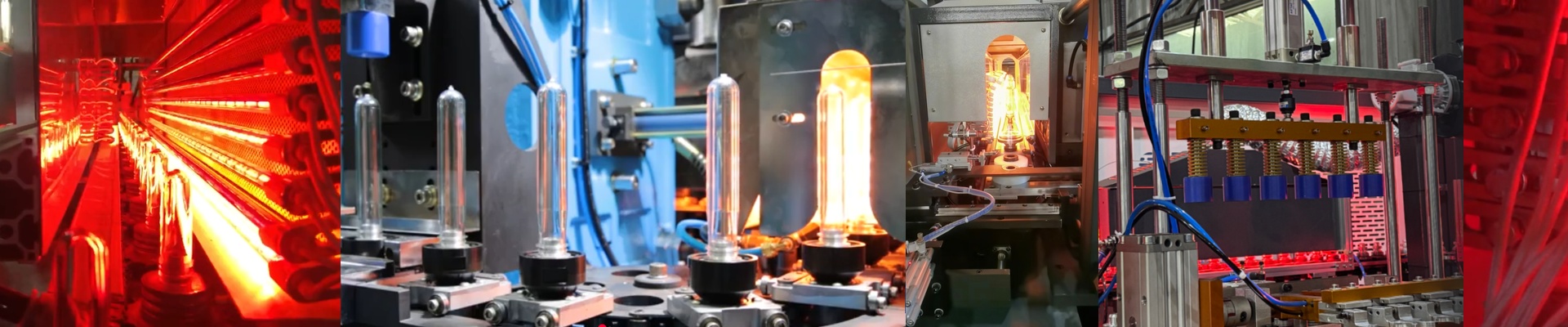
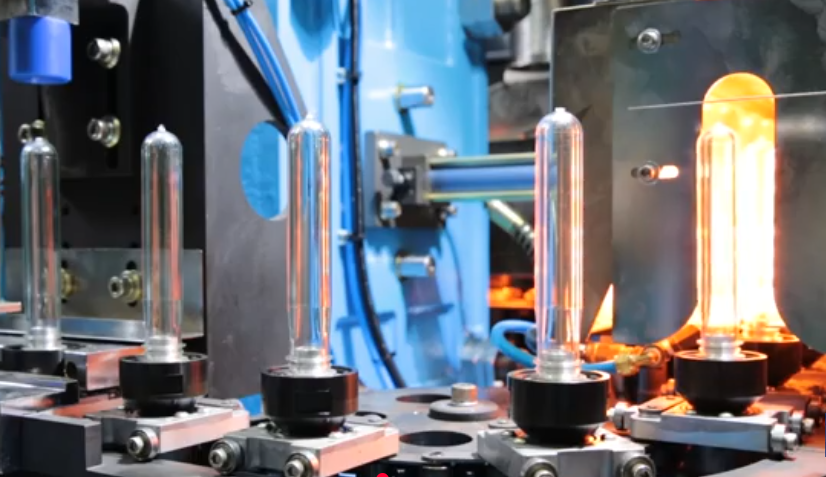
When you’re swapping out infrared lamps in a Sidel Matrix oven, it’s tempting to think that as long as the length and voltage match, you’re good to go. But it’s not that simple. If the heat density or spectral output is even slightly off, your preform temperature goes sideways. Suddenly, you’re dealing with uneven walls or that annoying pearlescence in your PET bottles. It’s a headache you don’t need. That’s why we build our replacements to mimic the original heat curve exactly. The nitty-gritty on the physics We spec these lamps to hit the same wattage and voltage as the Sidel originals. Why? Because if you drop in a lamp with the wrong resistance, you mess with the current draw of the whole heating circuit. We keep the electrical footprint the same so your controllers don’t start throwing errors at you. It really comes down to radiation density. We tweak the tungsten filament diameter and the quartz envelope thickness so the shortwave IR hits the preform with the same punch as the factory lamp. Quartz and the perfect fit We use high-purity quartz. It’s tougher, meaning the lamps don’t burn out the moment things get stressful. Plus, we use standard industrial connectors. You just wire them up and get back to work—no clunky adapters required. And we’re obsessive about the fit. Even a tiny gap of a few millimeters at the end cap can let heat leak out or cause the lamp to vibrate while the machine is humming along. We machine our ends to make sure they sit flush in the oven racks. One thing to keep in mind High-density IR lamps push a ton of energy into a tiny space. Our lamps hold the line on that OEM heat curve, but running them at full blast puts a lot of pressure on your ventilation. Check your blowers. Make sure they’re clean. If your airflow is choked, the ambient heat builds up and can eat away at the lamp ends, no matter how good the quartz is. Keep the air moving, and your lamps will last.