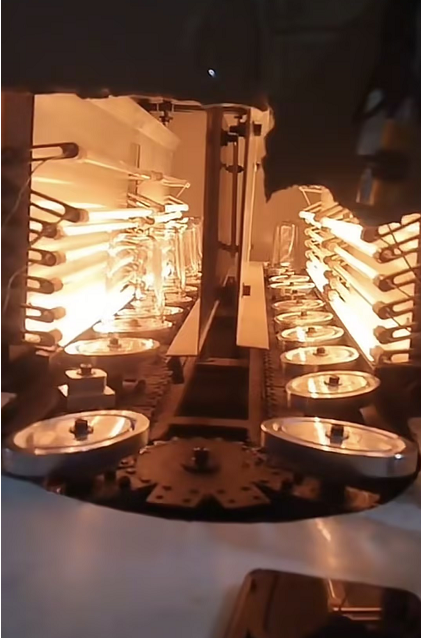
Stop Overpaying for Krones Contiform Oven Lamps
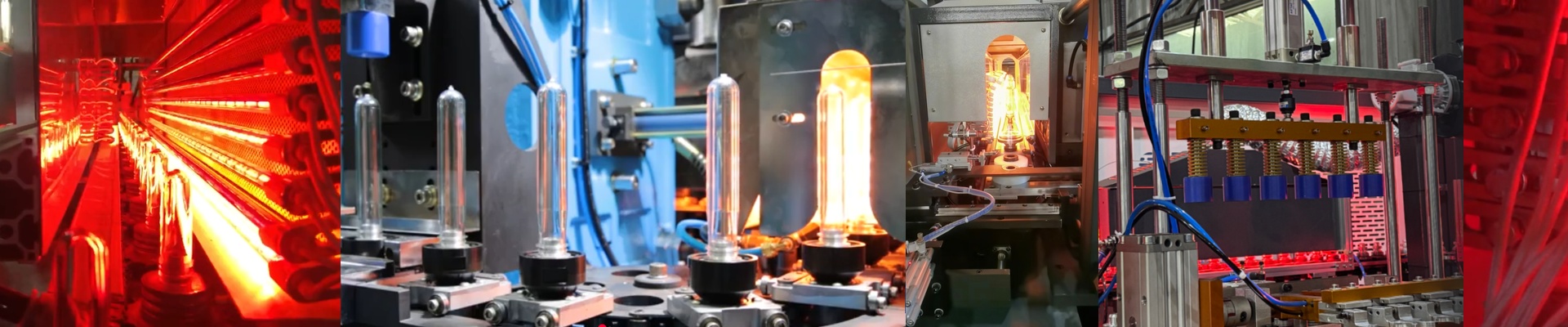
Let’s be honest: keeping a Krones Contiform blowing machine running is expensive. Especially when you look at the bill for OEM replacement parts. It feels like a tax just for keeping your line moving. We figured there was a better way. We’ve put together a replacement lamp that does exactly what the factory parts do, but without the eye-watering price tag. They’re built specifically for the infrared needs of PET preform heating, so you aren’t sacrificing quality to save a few bucks.
The Balance of Heat and Power
Depending on how your oven is set up, you’re probably running at 230V or 400V. We use high-wattage quartz tubes to make sure your PET hits that glass transition temperature fast. But here’s the thing: wattage is a bit of a balancing act. Sure, cranking up the wattage can boost your throughput. But if you push it too hard, you’re putting a lot of stress on your power supply. Plus, if your cooling blowers can’t keep up with the extra heat, you’ll end up burning through your lamps way too quickly. It’s all about finding that sweet spot.
Built to Last, Easy to Swap
We use heavy-wall quartz glass because these things go through a brutal cycle of heating and cooling. Cheap glass cracks or warps. Ours doesn’t. Most of our lamps use R7s or Sk15 connectors. If those sound familiar, it’s because they are the standard. You can just pop the old one out and slide ours in. No rewiring, no messing with sockets, no headaches. Inside the tube, we use a halogen cycle to keep the filament centered. You know that “sag” you see in the cheap knock-offs? We don’t have that. It means the heat hits the preform evenly every single time. And if you’re dealing with surface scorching, we’ve got coated versions that filter out the problematic wavelengths.
Just Plug and Play
These are true drop-in replacements. You pull the old lamp, slide in ours, and you’re back in business. Since they match the original dimensions and electrical load, you don’t have to spend your afternoon recalibrating PLC heating zones. You get the same heat distribution you’re used to, but your cost per hour of operation finally starts to drop.