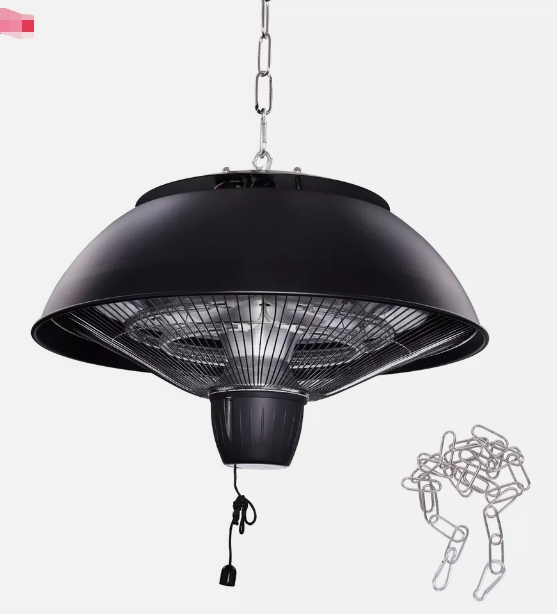
Why We Use IP65 Quartz Heaters (And Why It Actually Matters)
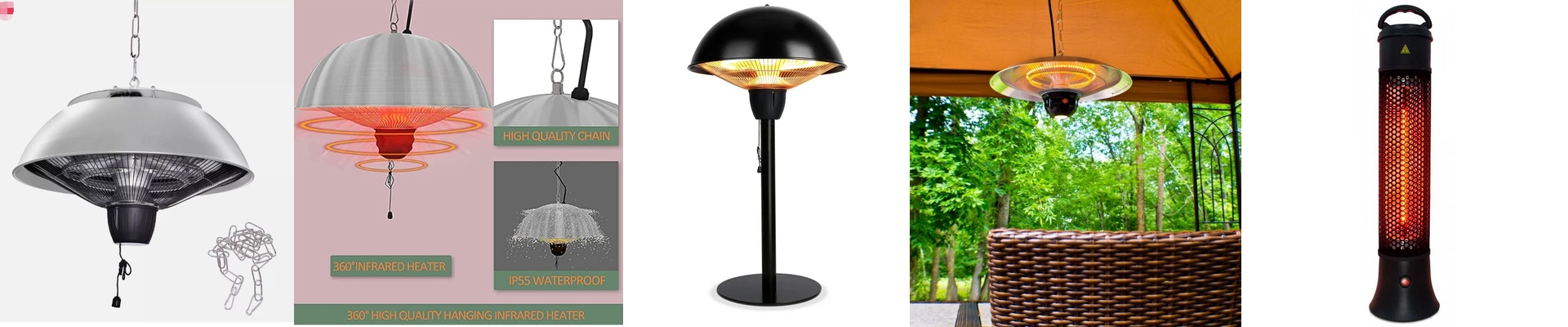
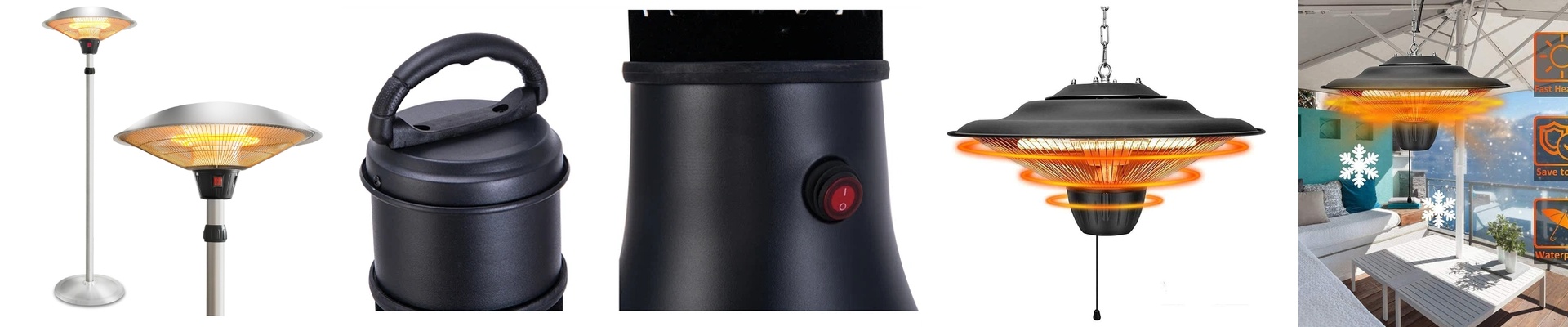
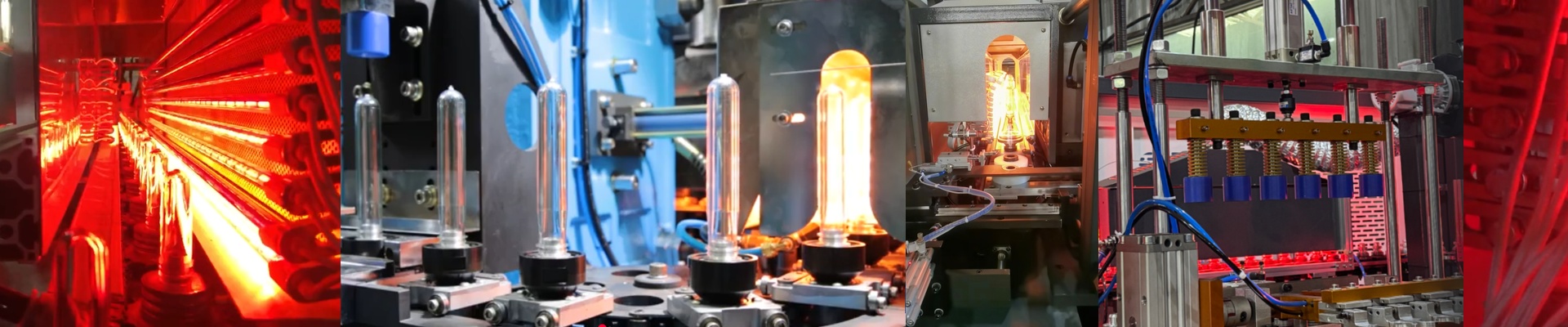
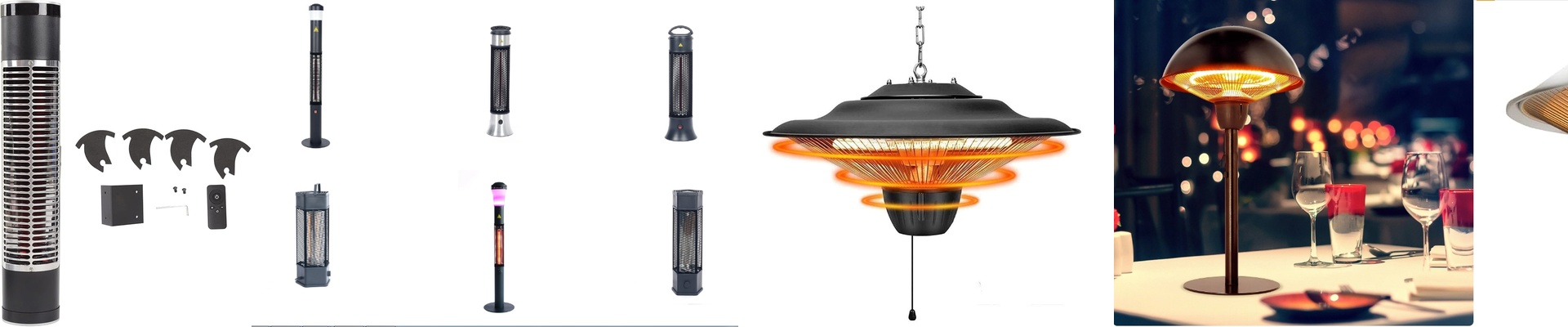
Let’s be honest: bathrooms are basically the worst place for electronics. Between the steam, the splashes, and the humidity, it’s a recipe for a short circuit. That’s why we don’t mess around with the heating. We use IP65-rated infrared lamps because they’re built to keep water out of the guts of the machine. The real hero here is the explosion-proof quartz tube. Here’s the thing about heat. If you have a standard glass tube running at 600°C and a single cold drop of water hits it? Crack. It’s gone. We use quartz because it doesn’t freak out when the temperature swings wildly. It can take that thermal shock without shattering. Pair that with an IP65 housing to block the steam and splashes, and you’ve got a setup that actually lasts. Plus, these things are fast. Really fast. Because they use high-wattage filaments, you get that hit of infrared warmth the second you flip the switch. You aren’t standing there shivering while a heating element slowly warms up. The quartz envelope does the dirty work of protecting the tungsten filament inside so it doesn’t burn out. But we also pay a lot of attention to the seals where the wires go in. If a seal leaks, moisture hits the high-voltage leads and you get an arc flash. That’s a nightmare scenario. For us, that IP65 rating isn’t some fancy bonus—it’s the bare minimum. A couple of heads-ups if you’re installing these. First, infrared heat pulls a lot of power. If you’re stuffing a few of these into a small ceiling, double-check your amperage. You don’t want to be tripping your breakers every time you take a shower. And remember, even though we call them “explosion-proof,” they’re still made of glass. If you hit them with a hammer, they’ll break. Make sure your mounting brackets are rock solid. If the unit vibrates, it puts stress on the ends of the tubes, and that’s how you get leaks or breaks. Keep it steady, keep it sealed, and you’re good to go.