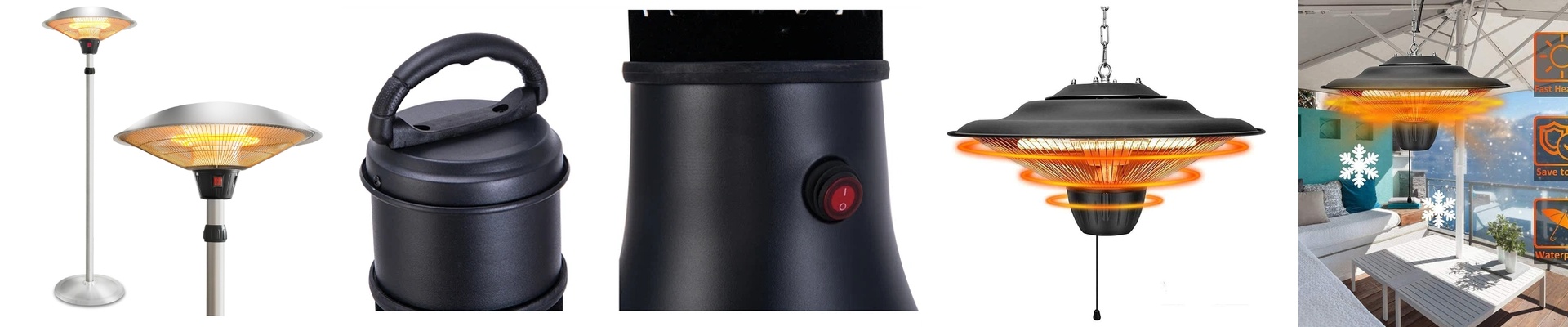
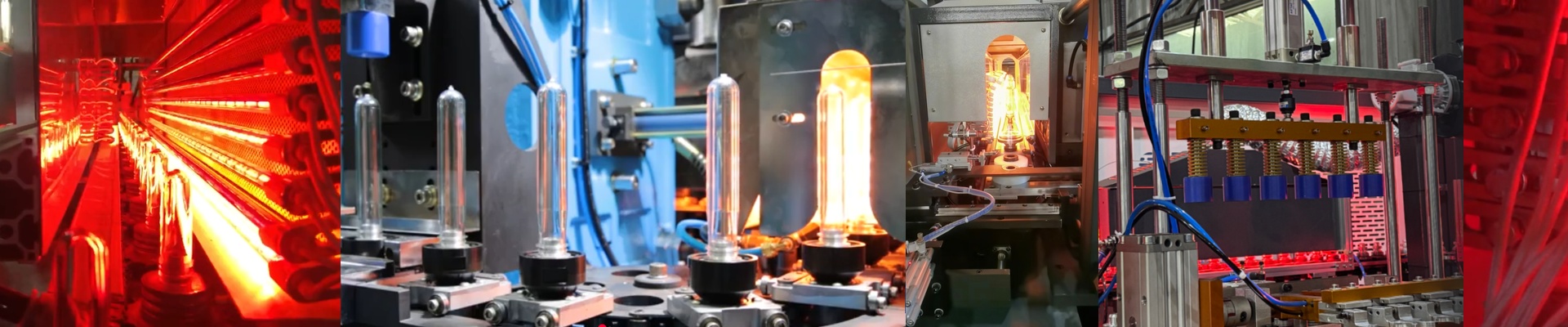
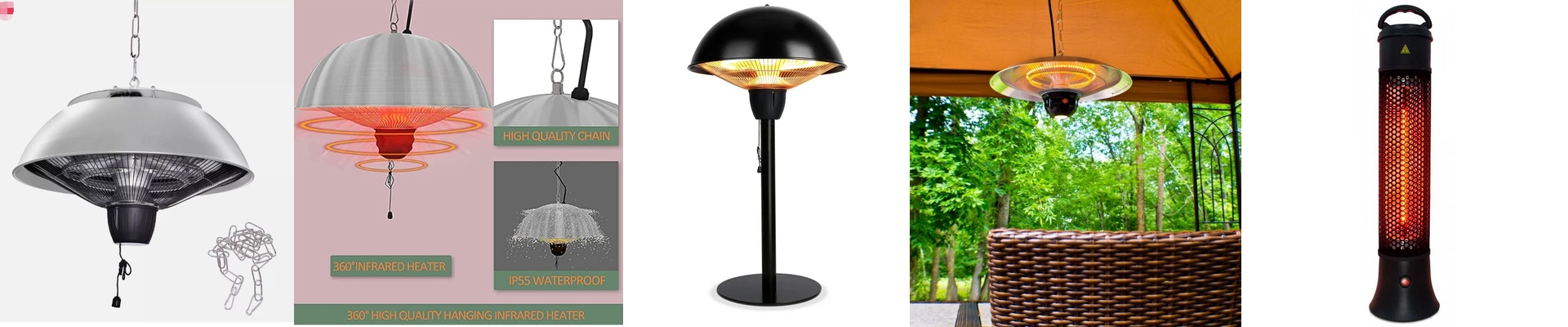
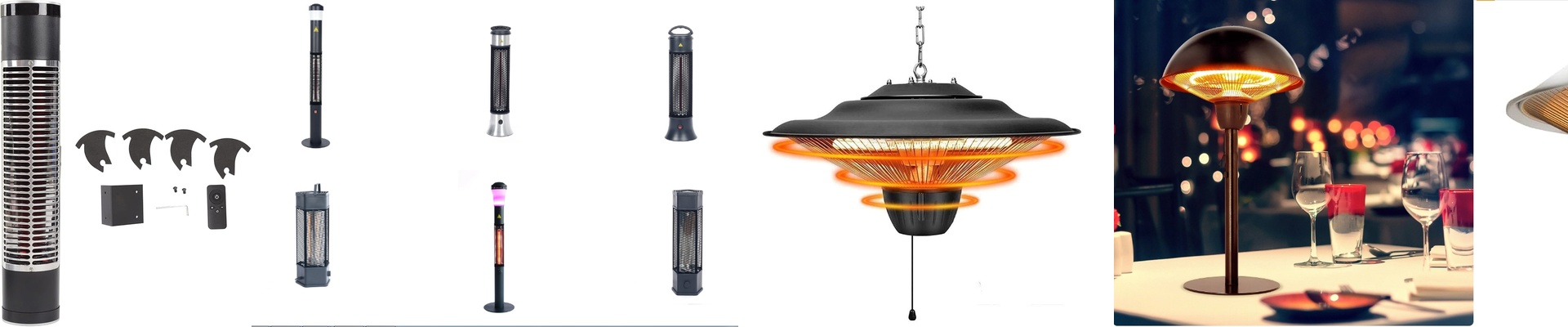
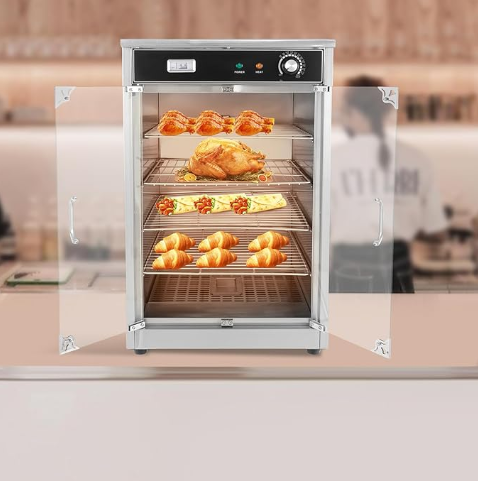
In a busy commercial kitchen, the disinfection cabinet sits at the end of the line. It has one job: hit temperature fast, then hold it steady. When the heating element drags, you get slow cycles, uneven sanitizing, and a bottleneck that pushes staff to cut corners. That’s why the twin tube heating element earns its keep. It brings predictable heat into the cabinet so every load comes up to temp quickly, without overshooting or dropping off mid-shift. The twin tube design uses two solid tubes to spread dense, even heat across the disinfection chamber. It’s built to warm up fast, so the cabinet hits target shortly after startup, then holds setpoint with tight control—exactly what you need when sanitizing utensils, bakeware, and prep tools. Heat distribution stays even, so you don’t get cold spots lingering in corners or on racks. And the construction handles the constant on/off cycling you see during rushes, so performance stays consistent shift after shift. Here’s the reality: disinfection isn’t just a temperature check. It’s part of your quality and safety workflow. Faster warm-up cuts the wait between cleaning cycles, so trays and pans get back into service sooner. Consistent temperature reduces the risk of under-sanitizing, and the predictable heat profile makes the routine repeatable across staff and shifts. The payoff is fewer interruptions and fewer manual workarounds. The station keeps pace with the rest of the kitchen instead of holding everyone up. Plan for the details. The twin tube element needs the right voltage supply and proper mounting clearance inside the cabinet. Pair it with a thermostat that matches the load and how you run cycles. Keep the chamber clean and dry. Buildup on the tubes hurts heat transfer and shortens service life. Treat it like any critical component: get the fit right, match the control, and keep up with routine care. Do that, and the disinfection cabinet does its job without slowing your line.