Stop Fighting Your Bathroom Mirrors
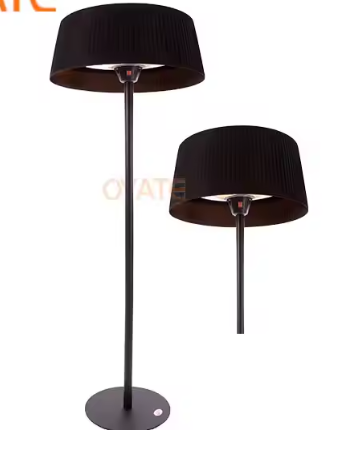
Most of us think of those bathroom heat lamps as just a way to stop shivering while we get dressed in the morning. But there’s a much cooler reason to use them. It’s not really about the air temperature—it’s about the water. Here’s the thing: standard heaters just warm up the air. Infrared (IR) is different. It goes straight for the surfaces. Think of it like sunlight hitting your skin on a cold day. You feel the heat instantly, even if the breeze is freezing. IR lamps do the same thing to your tiles and mirrors. By keeping those surfaces warm, the steam doesn’t have a chance to turn back into water droplets. No condensation. No puddles. And most importantly?No mold. But you can’t just throw any lamp in there and hope for the best. You need enough power to actually push the moisture off the walls before the room cools down. If the wattage is too low, you’ll end up with “cold spots”—those annoying damp patches where mold loves to hang out. Of course, we have to be careful. You don’t want to blast a mirror so hard it cracks. It’s all about finding that sweet spot where everything stays dry but nothing gets scorched. There are a couple of practical things to keep in mind, though. First, these lamps pull a decent amount of power. You’ll want to make sure your electrical circuit can actually handle it so you aren’t tripping the breaker every time you take a shower. Then there’s the “shadow” problem. Since IR travels in a straight line, it can’t bend around things. If a shower curtain or a cabinet is blocking the light, that spot stays damp. You have to be smart about where you put the lamps to make sure the heat actually reaches the trouble zones. When you get it right, you don’t have to rely so much on that loud, rattling exhaust fan. Your bathroom just feels crisp, dry, and actually healthy.