Stop Waiting on Your Ovens: A Better Way to Heat
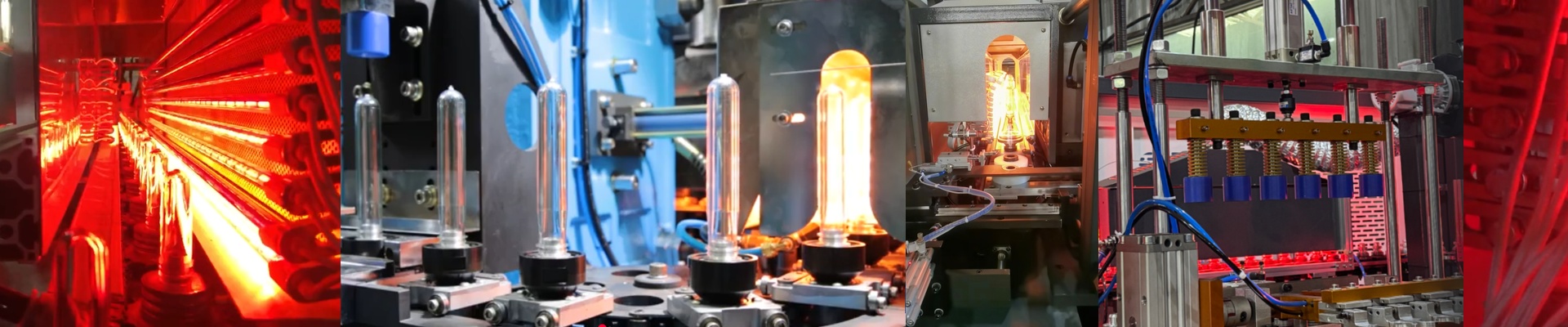
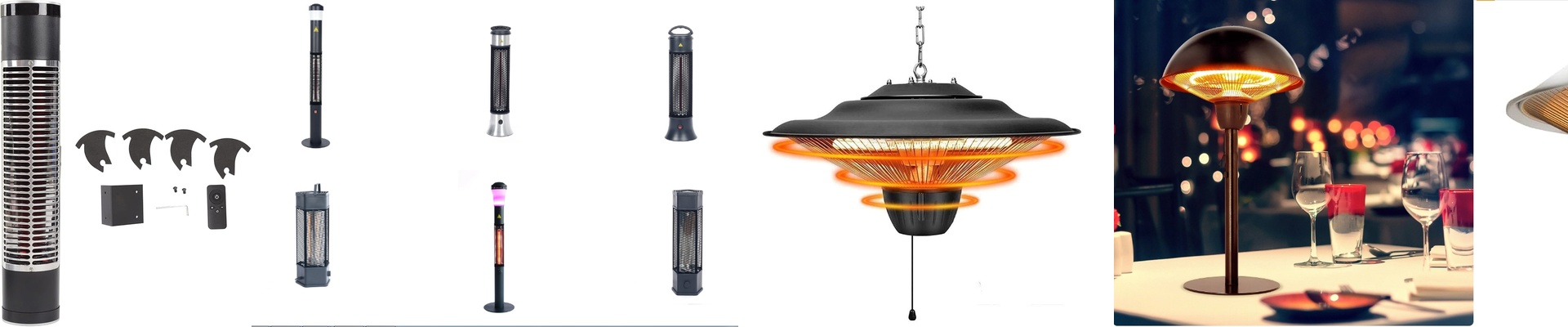
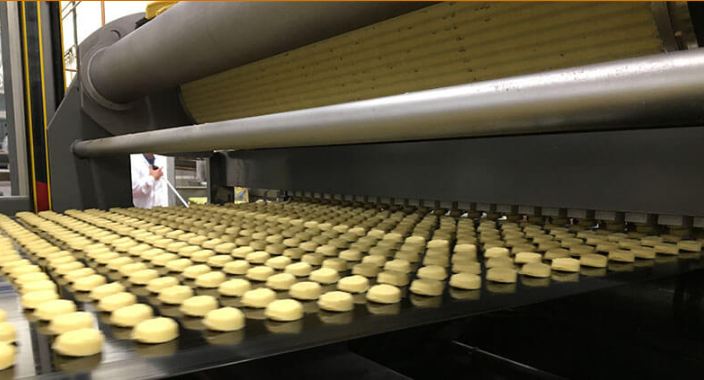
Ever feel like your kitchen or bakery line just hits a wall? You’ve got the staff and the dough, but you’re stuck waiting. Usually, that’s because of thermal lag. Standard convection ovens are slow; they lose heat the second you open the door, and then they take forever to get back up to temp. We deal with this by using short-wave infrared (IR) bulbs. Instead of wasting time heating up the air around the food, IR lamps shoot energy straight into the product. It’s direct. It’s fast. And it keeps your line moving.
Getting the Heat Right
If you want to speed up your production, you need a lot of power packed into a small space. Our industrial bulbs are built for high-voltage setups to get that heat moving quickly. The goal here is to hit that “sweet spot”—the Maillard reaction—where the food actually browns and develops flavor. By cranking up the power density in the quartz tube, you get that crust or sear in a fraction of the time. One tip: make sure your bulb length matches your rack width. If they don’t line up, you’ll end up with cold spots. And if you go too low on the wattage, you’ll miss that temperature spike you need for a perfect finish.
Built to Take a Beating
These lamps use a halogen-filled quartz envelope. Why quartz? Because it can handle the shock of turning on and off rapidly without cracking. The halogen cycle also keeps the tungsten filament from wearing out too fast, so your light stays steady for thousands of hours. We also kept the connectors simple. We use standard R7s or Sk15, which means when a bulb finally goes, you aren’t staring at a nightmare of wires. You just pop the old one out and drop a new one in. Done.
Putting it to Work
The best part about IR heaters is that they’re instant. You flip the switch, and the heat is there. No warmup period. This lets you tweak your conveyor belt speed down to the millisecond to get the cook exactly right. Just a heads-up, though: these high-density bulbs getinsanely hot. If you’re stuffing 2000W+ tubes into a tight space, you need real venting. If you don’t let the housing breathe, you’re looking at warped reflectors or fried wiring. Give them some air, and they’ll work like a charm.