Picking the Right Infrared Heater for Your Bathroom
Here is the secret: you don’t actually want the most powerful heater on the shelf. If you go overboard, you’re just throwing money away—and you might actually make the room less comfortable. It’s all about finding that sweet spot where the heat matches the size of your space.
Getting the power right
Think about your bathroom. If it’s just a tiny powder room (under 4m²), you don’t need a beast of a machine. A little 250W to 400W shortwave lamp does the trick. It gives you that instant “ah, that’s better” feeling the second you step inside. For your average mid-sized bathroom (4m² to 8m²), you’ll probably want to bump that up to 600W or 800W. Now, if you’ve got a massive master bath or those fancy high vaulted ceilings, that’s when you go for the 1000W+ setup. But be careful. If you put a massive heater in a tiny room, the thermostat will freak out. It’ll click on, get too hot instantly, and click off. Over and over. That “short-cycling” kills your equipment faster and makes your electric bill jump.
Dealing with steam and splashes
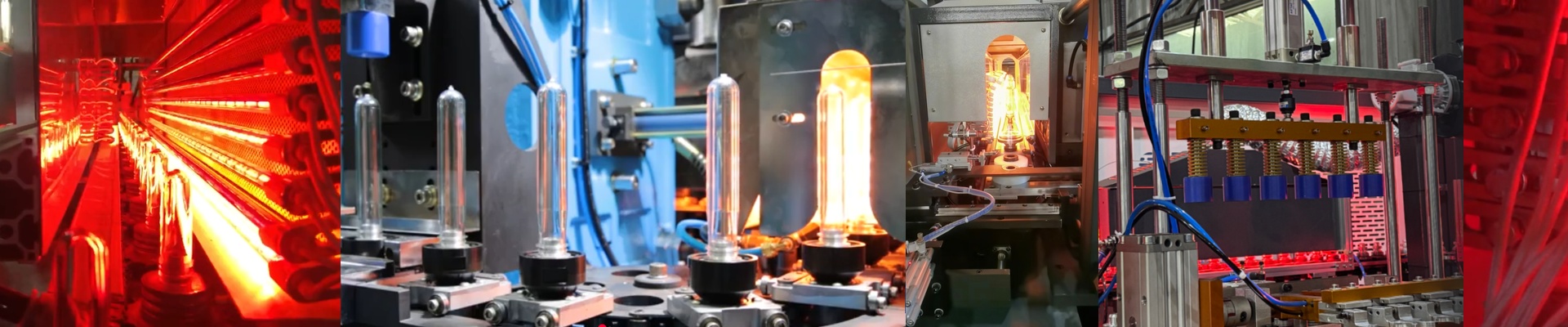
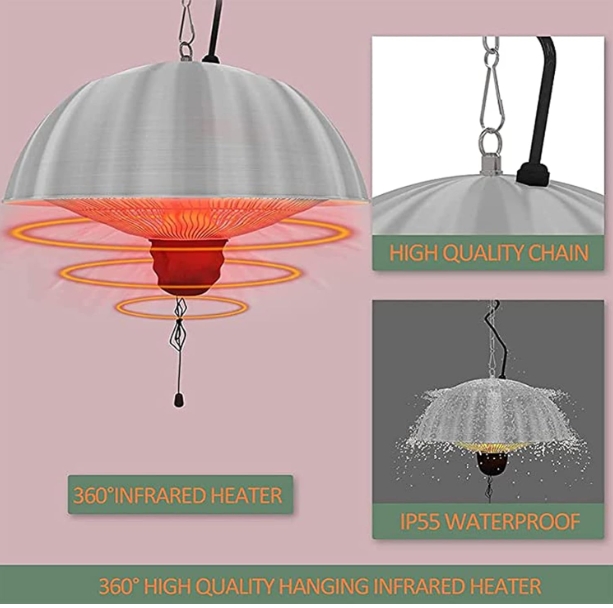
Bathrooms are tough on electronics. You’ve got steam everywhere and the occasional splash of water. That’s why we use quartz glass and tight gaskets—it keeps the guts of the heater dry and safe. The cool thing about shortwave infrared is that it doesn’t bother heating up the air. Instead, it warms up you and your tiles directly. It feels like standing in a patch of sunlight. Plus, it means if you leave the door open, you aren’t just heating the hallway; you’re still feeling the warmth on your skin.
Finding the balance
There is a bit of a trade-off here. High-wattage lamps are great for killing a chill fast, but they can be intense. If you’re standing too close to a 1200W lamp, it can feel like a heat lamp at a buffet—a bit too much. The trick is looking at where you’re mounting it. Installing the lamp low? Stick with lower wattage. Putting it way up on a high ceiling? Go heavy on the power. You need that extra juice to make sure the heat actually reaches the floor where you’re standing.