Keeping Your Bathroom Infrared Heaters from Shorting Out
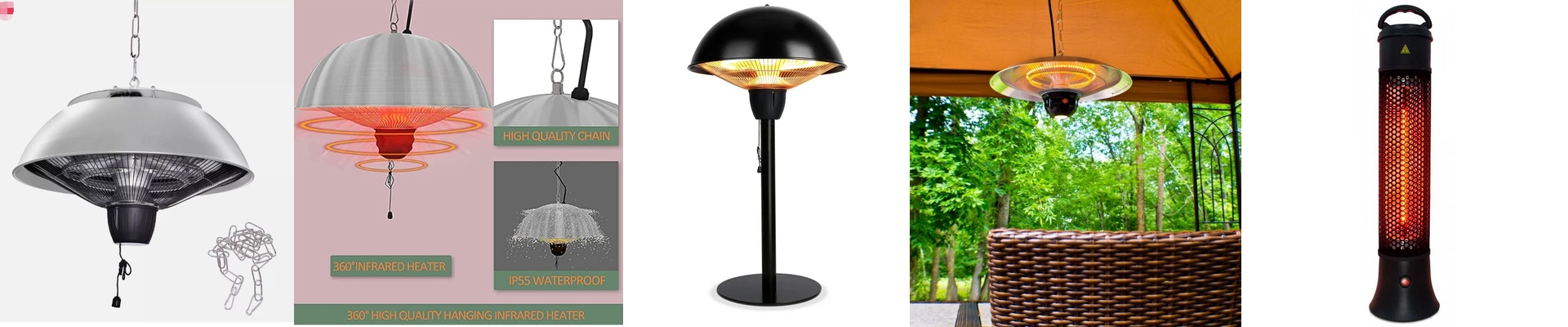
Putting infrared lamps in a bathroom is a bit of a gamble if you aren’t careful. You’ve got steam everywhere and the occasional direct splash of water. Standard heating elements just aren’t built for that. If you want to make sure your electricity stays where it belongs, you have to obsess over the spot where the heating filament meets the outer case. Stopping the leaks Water and electricity are a nightmare pairing. If moisture sneaks into the lamp terminals, you’re looking at a short circuit or a ground fault. To stop that, we use high-temp silicone gaskets and epoxy potting at the connection points. It basically seals the electricity in a waterproof bubble. We aim for IP65 or IP67 ratings because that’s the only way to be sure the junctions stay bone-dry, even when the lamp is cranking out maximum heat. Choosing materials that actually last Most people know quartz glass is the way to go, but the real trouble usually starts at the end-caps. That’s where things fail. We use reinforced ceramic insulators to stop current from leaking. These ceramics are great because they don’t lose their strength even when they’re soaked in water vapor. And please, stay away from cheap plastics. They warp when they get hot, and a tiny gap is all it takes for moisture to creep in and fry your circuit. Safety first (for real) You absolutely have to wire these into a GFCI circuit. Even with the best seals in the world, these lamps pull a lot of wattage. If something does go wrong inside, you want that breaker to trip instantly. We also run a dedicated earth ground wire straight to the metal chassis just to be safe. One thing to watch out for: if you seal the unit too tight, the heat has nowhere to go. It’s a tough balance. If the enclosure gets too hot inside, the filament will burn out way faster than it should. You’ve got to find that sweet spot between a watertight seal and enough breathing room to keep the lamp alive.