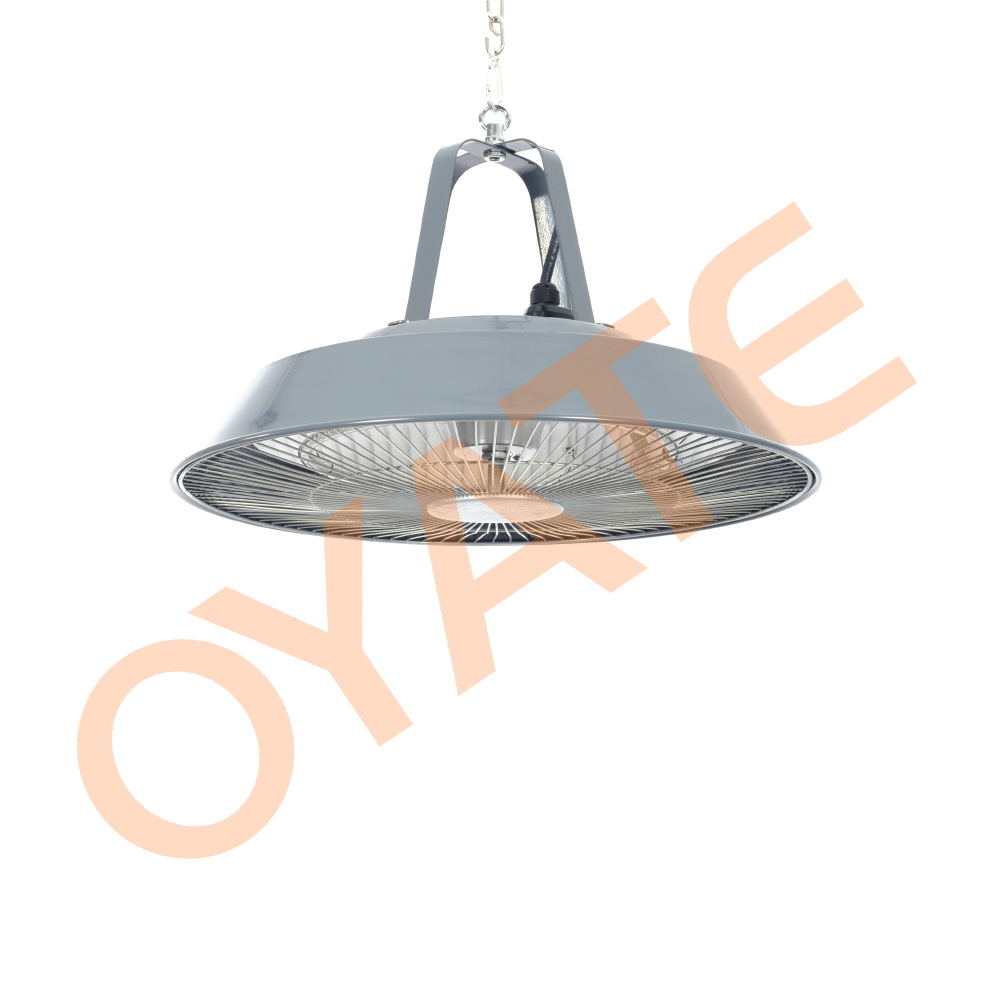
Stop the Mold: Why Infrared Heating Actually Works for Your Bathroom
Most people think those bathroom heat lamps are just there to keep you from shivering while you get dressed. But there’s a lot more going on under the hood. We actually design these things to fight moisture at the source, stopping mold before it even has a chance to move in. The secret is in the waves. Instead of just heating up the air—which is what a standard space heater does—we use short-wave infrared radiation. Think of it like sunlight hitting your skin on a summer day. It doesn’t wait for the air to get warm; it goes straight for the damp spots on your tiles, grout, and sealant. It basically shakes the water molecules until they evaporate. By drying out those porous surfaces quickly, you’re taking away the “food” mold needs to grow. It’s less about “warming the room” and more about a targeted strike against dampness. The gear behind the heat We use high-wattage quartz tubes because bathrooms are tough environments. You’ve got cold walls and vents that let heat leak out constantly. You need a surge of energy that hits fast and hard to flash that surface water into vapor. But here is the catch:you need a good exhaust fan. If you blast all that moisture into the air but have nowhere for it to go, you’re just moving the problem. Instead of a damp floor, you’ll end up with condensation dripping from your ceiling. Make sure your ventilation can keep up. A few things to keep in mind We stick with quartz glass because it’s tough. You can flip the switch in a freezing, damp room and it won’t crack from the sudden temperature jump. We also add specific coatings to make sure the light is skewed toward the heat side of the spectrum. Just be careful with where you put them. Because the heat is so concentrated, these lamps can be a bit too intense if they’re too close to plastic fixtures or cheap trim. If you mount them too low, you might warp your materials. Get the height right, and you’ll have a dry, cozy bathroom without the melted plastic.