
Making Smart Infrared Heating Actually Work
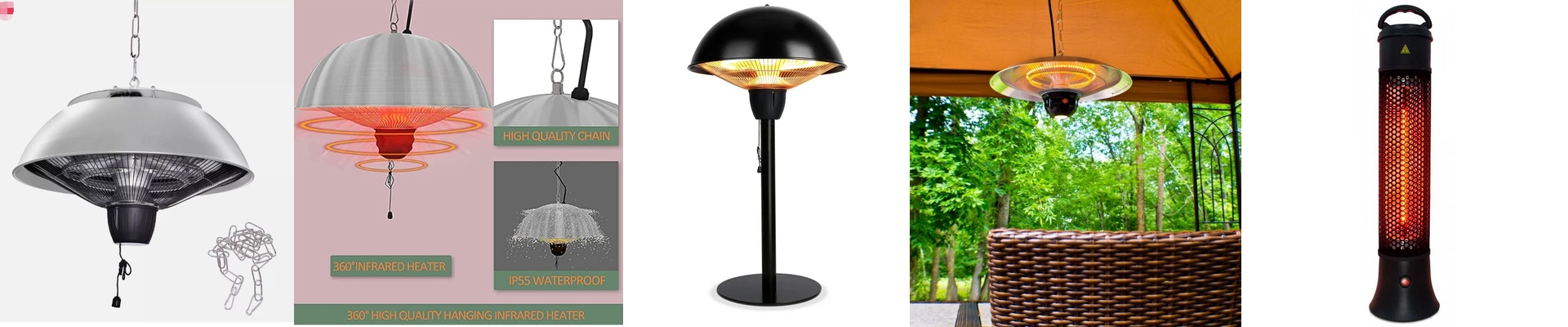
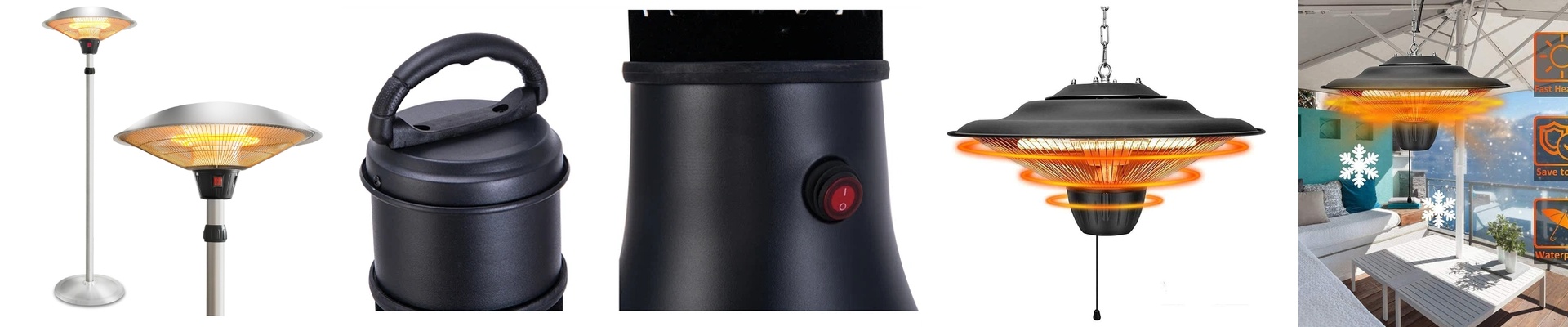
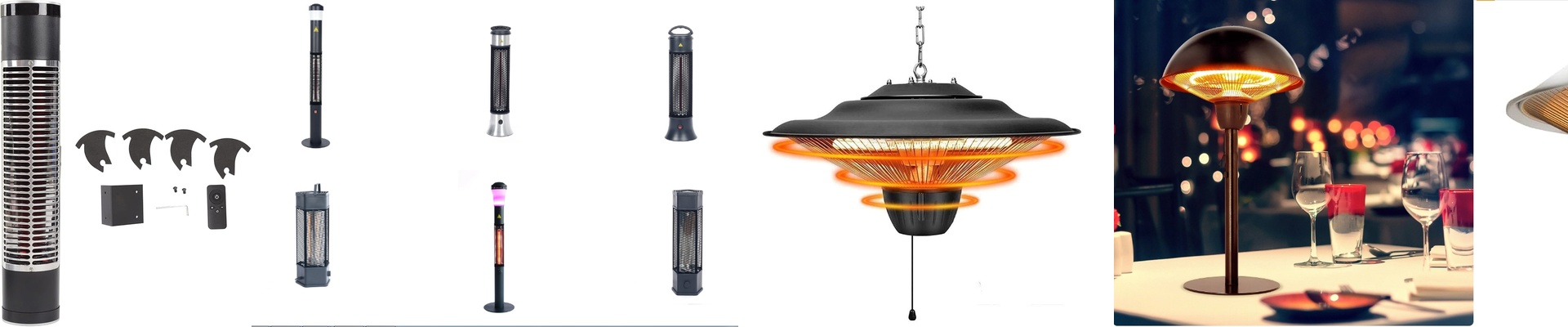
We build infrared heating tables that can take a bit of a beating from dust and moisture without quitting on you. The best part? They don’t waste time warming up the air in the room. Instead, they beam heat straight at you. It feels like stepping into a patch of spring sunshine the second you hit the switch. No waiting around. Just warmth.
The Nitty-Gritty on IP44
You might see “IP44” on the spec sheet and think it’s just jargon. In plain English, it means we’ve sealed the guts of the machine. We use gaskets and cabling that don’t mind a bit of humidity or a few splashes of water. This makes them perfect for a damp patio or a humid bathroom. You don’t have to worry about a little mist causing a short circuit. To get these talking to your smart home, we tuck a heavy-duty relay or a Zigbee/Matter controller into the power line. Now, you can just tell your voice assistant to turn the heat on or tap an app on your phone. It’s way faster than those old oil radiators that take forever to get going.
Don’t Fry Your Gear
Here is the thing: infrared elements are power-hungry. The moment they kick in, they pull a massive surge of electricity. If you use a cheap, flimsy smart relay, you’re going to fry the contacts. It’s a common mistake. To avoid a meltdown, we always suggest a dedicated power circuit and a relay that can handle about 25% more than the heater’s max draw. Give it some breathing room.
A Word of Caution
Fast heat is great, but it’s intense. Because the heat is so concentrated, you have to be careful about where you put the table. If it’s too close to some cheap plastic or a delicate fabric, you might actually scorch them. We always build in a thermal cutoff switch. It’s a safety net that keeps things from overheating, especially if you’ve set the heater to run on an automated schedule while you’re not in the room.