Making Your Pergola Actually Warm (Without the Headache)
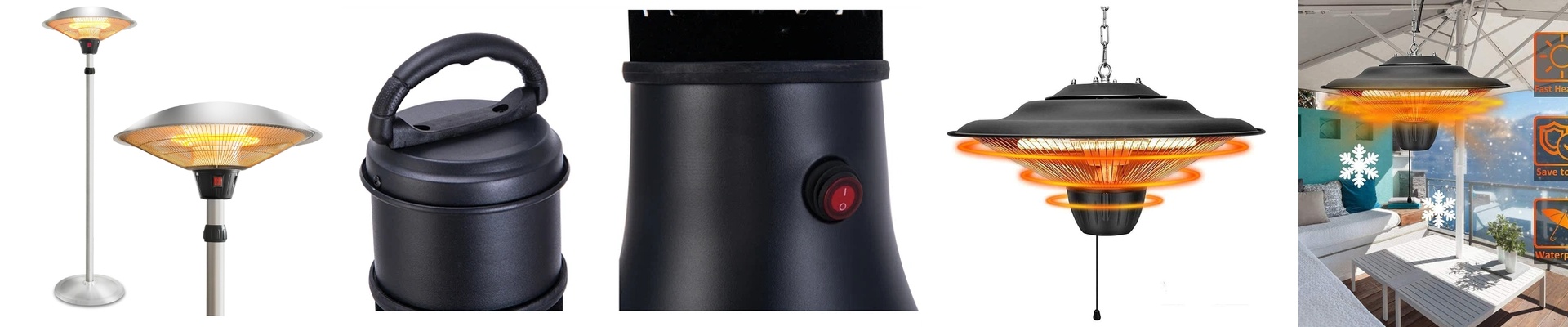
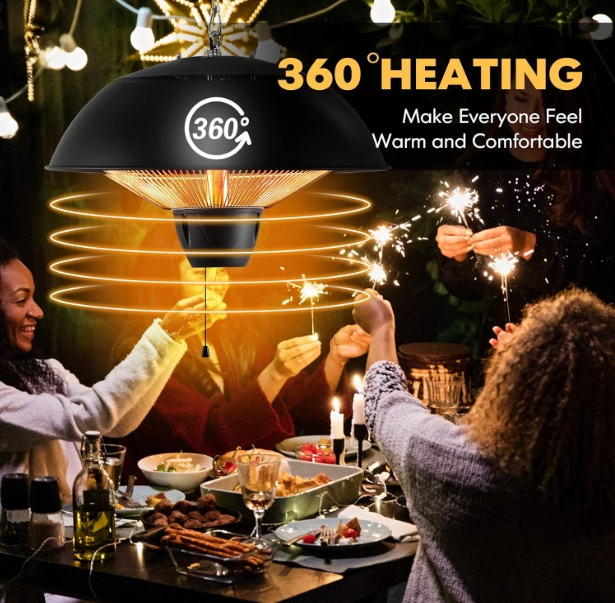
If you’ve ever tried to heat an outdoor space, you know the struggle. You turn on a heater, a light breeze kicks in, and suddenly all that warmth is just… gone. It’s frustrating. That’s why we don’t bother with standard space heaters. We use shortwave infrared. Instead of trying to heat the air—which is a losing battle outdoors—infrared goes straight for the people and the furniture. It feels like standing in a patch of sunlight on a crisp autumn day.
The Nitty-Gritty of the Setup
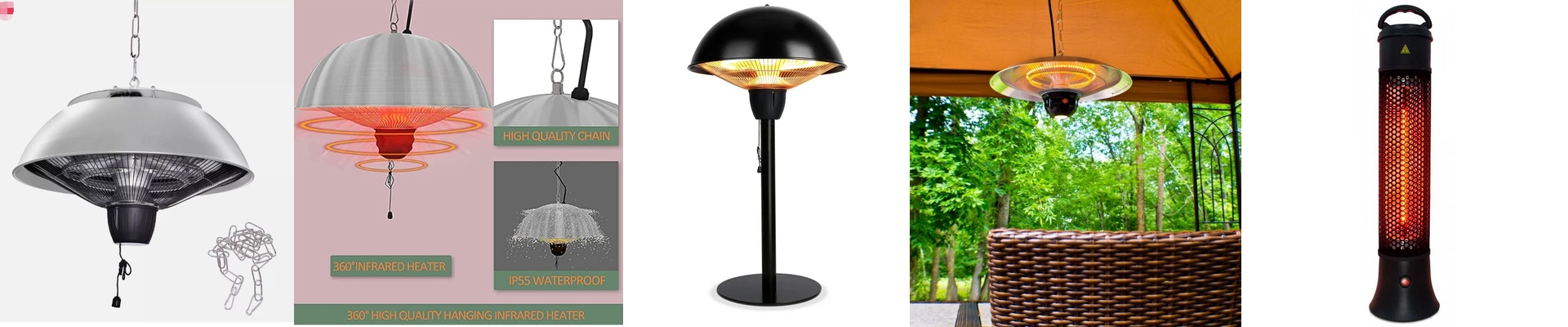
Here is where things get a bit technical, but it’s important. You can’t just plug these heaters into a basic smart switch and call it a day. Most of these units run on 220V-240V, which is a lot of power. If you wire them directly into a low-voltage smart hub, you’re basically asking for the switch to melt. To keep things safe, we use heavy-duty 40A relays. Think of it as a bodyguard for your smart home system; it handles the massive power surge when the heaters kick in so your electronics don’t fry. And about the weather? We make sure everything is IPX4 rated. It means a bit of mist or a light drizzle won’t kill the mood (or the heater). Just make sure your junction boxes are sealed tight. Nobody wants a short circuit during a cocktail party.
That “Instant” Warmth
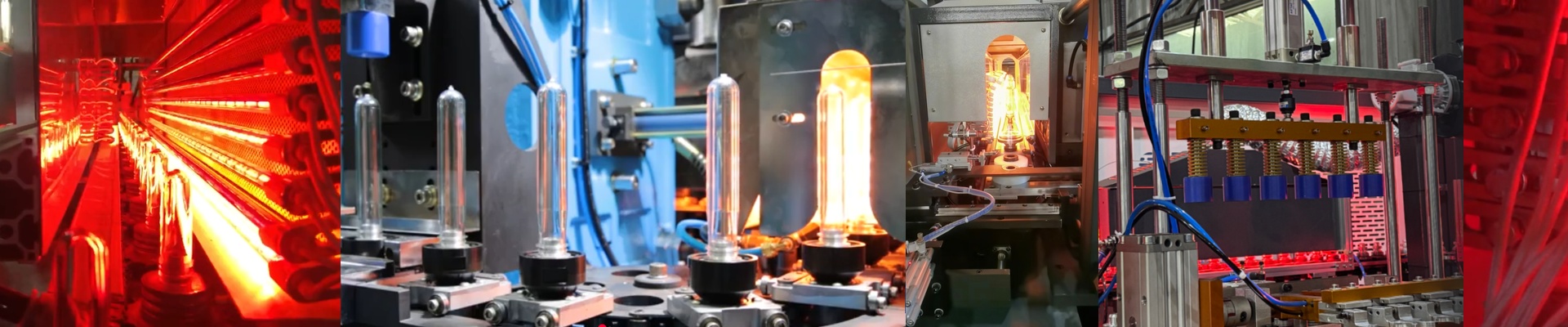
The best part about quartz heating elements is that they don’t need to “warm up.” There’s no waiting around for oil to heat up or a coil to glow. It’s almost instant. You hit a button in your app—maybe a scene you’ve named “Winter Cozy”—and boom. You feel the heat immediately. We usually hook this up to an ambient temperature sensor. We set it so that if the air drops below 10°C, the system gets ready to go. It just works in the background.
A Few Things to Watch Out For
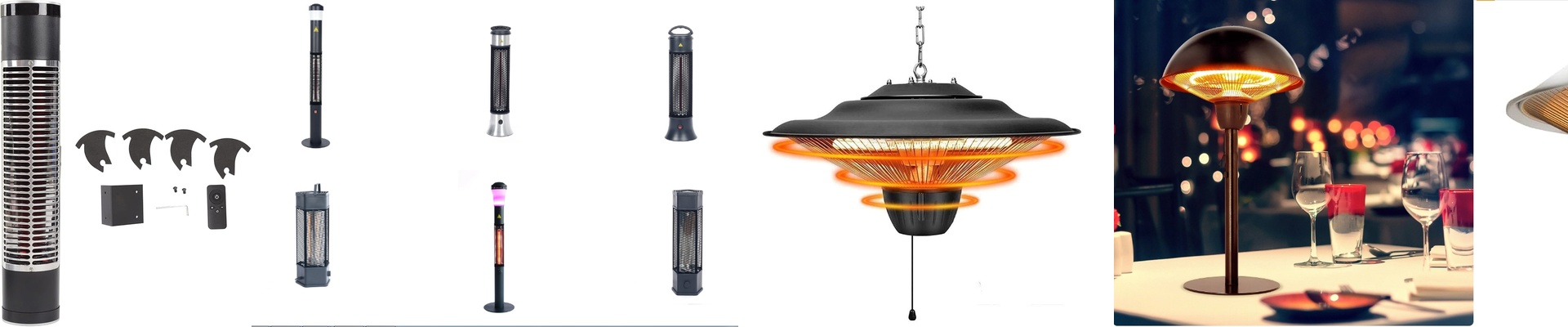
There are a couple of traps you want to avoid. First, watch your power load. If you slap four 1500W heaters on one single circuit, you’re going to trip your breaker the second you turn them on. It’s a total mood killer. You’ll want to spread the load across a few different circuits. Also, placement is everything. Infrared heat is intense. If you mount the heaters too low, your guests will have toasted heads while their toes are still freezing. Keep them at least 2.5 meters up. That way, the heat spreads out evenly, and everyone stays comfortable.