Introduction
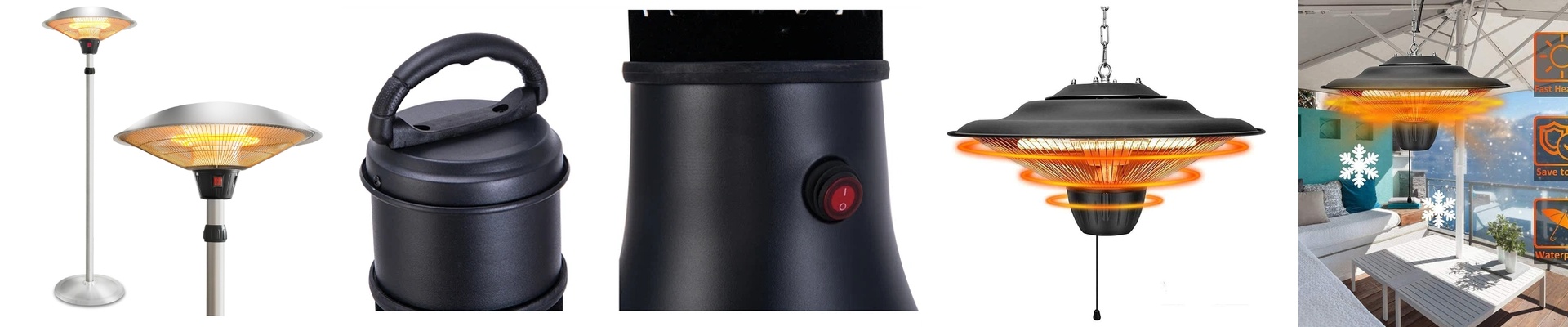
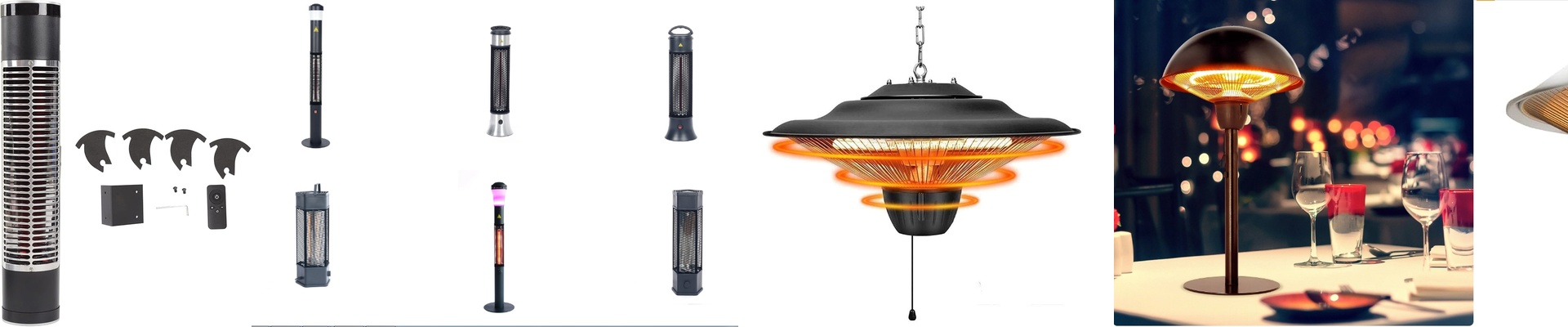
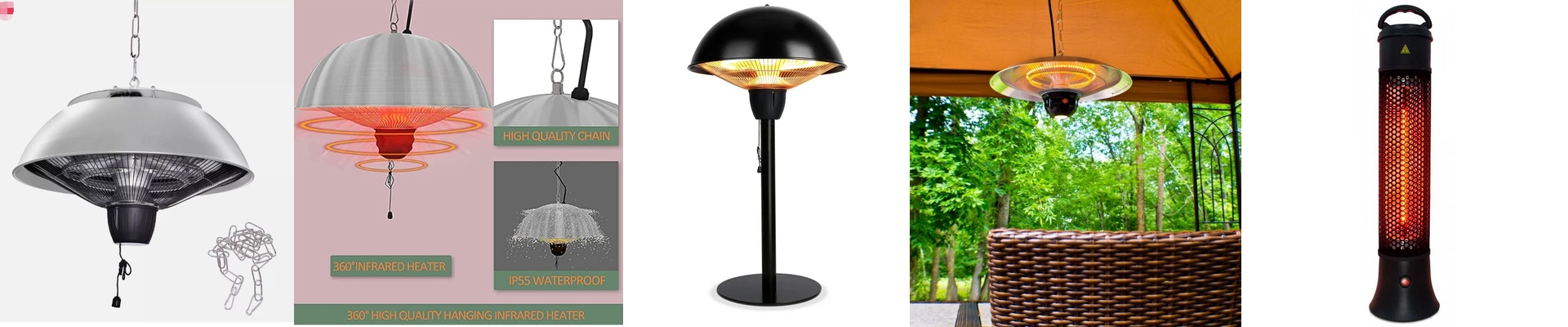
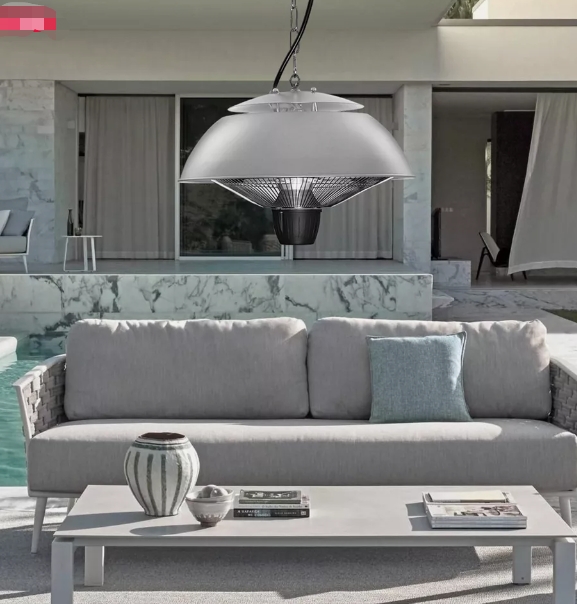
We built these electric patio heaters for the real world—not a pristine showroom. Our top-selling infrared heater runs on a halogen lamp system that throws out focused, radiant warmth. The whole idea? Keep the emitter clean, keep the optics clear, and keep moisture out. Do that, and the heater just keeps humming, season after season.
Technical Deep-Dive
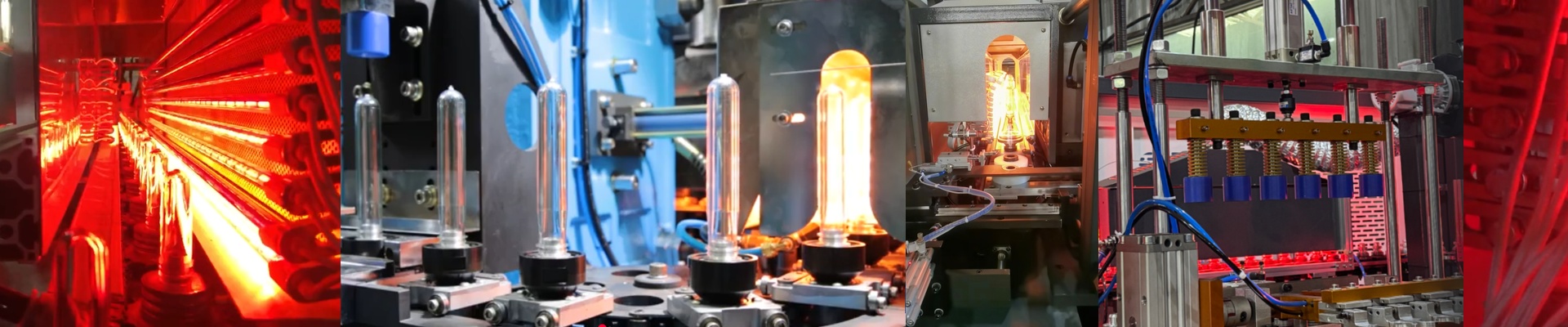
Outdoor infrared heaters have to fire up fast and stay steady, so we matched the lamp to the electrical setup for predictable performance. Inside the quartz envelope, the halogen cycle keeps the filament intact even at scorching temps, which cuts down on blackening over time. That means consistent heat and fewer early breakdowns. Then we wrapped it all in a tough housing with wiring that can handle the outdoors. The R7s connector—a reliable two-pin design—carries high current and makes swapping the lamp a simple job. Wire it once, and the connection stays solid, even when the day brings vibration and wild temperature swings.
Material & Design
Moisture is the quiet saboteur of any outdoor heater. It comes in two ways: condensation that fogs surfaces, and splashing that drives water into joints and electrical spots. So we started with the lamp envelope and optics, choosing materials and coatings that resist hazing when temperatures shift. That keeps heat transmission strong and stops that “clouded-over” drop in performance that forces early replacement. For splash protection, we sealed the critical points and tucked internal parts away from direct exposure. The payoff isn’t just a marketing rating—it’s a practical shield against rain and cleaning spray. We’re not claiming it can handle full submersion. We designed it for real patio conditions, so you get dependable performance without bulky overkill.
Application & Benefits
On a busy commercial patio, reliability comes down to uptime. This setup packs high heat density into a compact footprint, so you get serious coverage without a giant enclosure. Installation stays clean, thanks to the standard R7s interface and a housing that mounts the way you expect. Now, the trade-off: high heat density means the surrounding area warms fast, so plan your mounting height and ventilation. Get the cooling and clearance right, and this heater settles into the role of a dependable workhorse that sticks around for the long haul.