You know the moment. The line is stretching, tickets are stacking, and the pass is calling for hot plates—now. Your deck oven is holding steady, but the top of the pizza still needs a quick flash to lift the cheese and finish the crust. Meanwhile, the holding cabinet has to keep food at a safe temperature without drying it out. When the heat at the end of the chain falters, you don’t just lose time—you lose the texture that keeps guests coming back. That’s where a warming display infrared bulb earns its keep. Mounted above a holding shelf or focused on the face of a finishing line, it delivers rapid, targeted radiant heat that finishes food cleanly and holds it without scorching. It isn’t a replacement for your main oven. It’s the final, controlled burst that makes the last 60 seconds count.
What matters technically
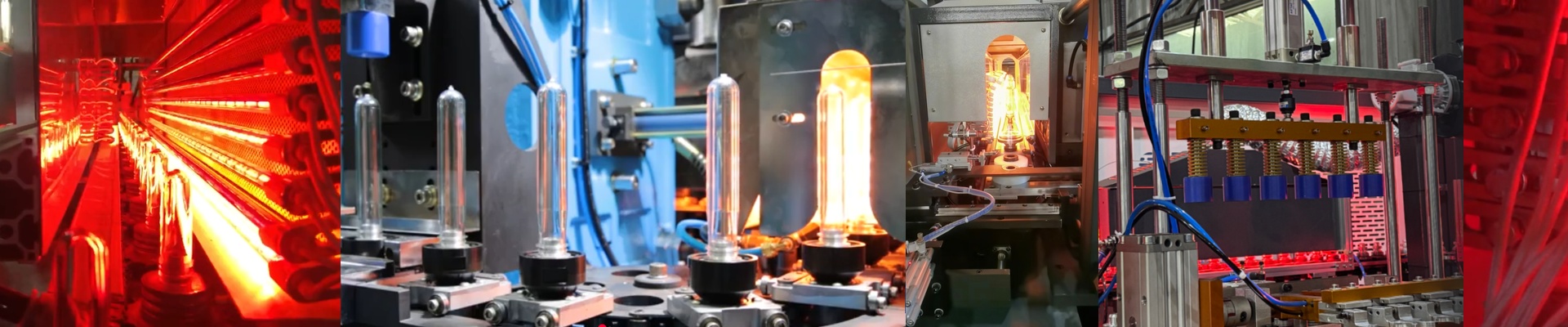
The warming display infrared bulb is built around short-wave infrared technology, typically using a halogen-quartz filament in a compact envelope. That design produces high-intensity radiant heat with very fast response—think of it as a focused heat lamp tuned for food surfaces.
- **Fast heat-up, fast cool-down:**Unlike heavy metal sheath elements, the filament hits operating temperature in seconds. Flip the switch and you get immediate output. Turn it off and the heat decays quickly, so you can dial in the finish without overshoot.
- **Targeted radiant output:**The bulb emits energy in the short-wave band, which is readily absorbed by the outer surface of food. That drives browning and caramelization on the exterior while minimizing overcooking in the center—exactly what you want when finishing pizza, roasts, or gratin dishes.
- **Even coverage in the hot zone:**Paired with a reflector housing, the beam pattern spreads evenly across the target area. You get consistent color across the entire face of the product, not a patchwork of hot spots and cold spots.
- **Practical power and fit:**Common configurations run 240V or 208V, with wattages sized to the application—often 250W to 500W for finishing and holding zones. The bulb typically uses a standard medium-base or specialty oven-rated connector. The housing is built for high-temperature environments, with ceramic sockets and heat-resistant wiring.
- **Built for the heat of the kitchen:**The envelope is quartz, chosen for thermal shock resistance and stable output in high-temperature chambers. In a deck oven or holding cabinet, that means dependable performance, day after day.
Why it works where you need it
In a commercial oven environment—whether you’re running a deck oven, rotary oven, convection, or a dedicated holding cabinet—the last stage of heat is about control. You want the crust to turn a deep, even golden brown, the cheese to bubble without scorching, and the surface to hold without drying out.
Finishing without guesswork
When a pizza comes off the stone, the base is set but the top often needs a final lift. The infrared bulb delivers a concentrated radiant burst that finishes the top quickly, creating that clean, golden color and crisp edges while the interior stays tender. The heat responds instantly, so you can time the finish to the second. No waiting for an element to come up. No overshoot.
Holding that preserves texture
Holding is where a lot of systems fall apart. Heat that’s too aggressive dries food out. Heat that’s too gentle lets temperatures drift and risks food safety. The short-wave infrared bulb provides gentle, radiant warmth that maintains holding temperatures without beating the moisture out of the product. You keep the exterior looking fresh and the interior moist—holding that respects the work your oven did during the cook.
Workflow and consistency
Speed matters during service, but consistency matters more. The bulb gives you a repeatable finishing step that doesn’t depend on operator feel. Set the height, set the intensity, and every plate looks the same—evenly colored, properly finished, and hot all the way through. That consistency cuts down on re-fires, keeps the pass moving, and protects your food cost.
Energy use you can plan for
Because the bulb is tasked for finishing and holding—short duty cycles and targeted heat—it can be more efficient than running a full oven chamber hotter than needed. It’s a focused tool, not a broad heat source, and that focus shows up on the energy log.
The real-world details that matter
A warming display infrared bulb is straightforward, but real kitchens come with real constraints. Here are the practical notes that keep it working the way you expect.
- **Clearance and heat management:**Radiant bulbs run hot. Keep proper clearance to product, shelving, and surrounding materials to avoid overheating and maintain airflow. The housing and socket get hot, so mounting hardware and nearby surfaces need to be rated for high heat.
- **Compatibility with equipment:**Not every oven or holding cabinet is set up for a radiant bulb. Confirm voltage, socket type, and mounting provisions before ordering. If you’re adding it to a deck oven finishing zone or a pass-through holding unit, plan the wiring and switch control to match the machine’s panel.
- **Control method matters:**For best results, pair the bulb with a thermostat or timed control that fits the task. A simple on/off switch works for manual finishing; a thermostat keeps holding temperatures steady. If you use a dimmer-style control, make sure it’s rated for the bulb type and environment—standard household dimmers aren’t built for oven heat.
- **Life and maintenance:**These bulbs deliver strong output, and like any filament-based component, they have a finite service life. Treat replacements as routine maintenance. Keep spares on hand so you’re never caught mid-service.
- **One trade-off:**Radiant bulbs excel at surface heat, but they don’t replace conduction or convection for through-cooking. Use them for finishing and holding, not for raw bakes. That means your primary oven still does the heavy lifting. Think of the bulb as the final step that makes the plate sing. When you need food finished fast, held safely, and presented with consistent color, the warming display infrared bulb is a practical, dependable tool. It’s the difference between a plate that looks finished and a plate that feels finished—golden, even, and properly hot, with texture that holds up until the last bite. If you want to tighten the pass, cut down on re-fires, and keep holding temperatures steady without drying food out, size the bulb to your station, match the control to your workflow, and put the heat exactly where you need it.