Why You Can’t Cut Corners on Lead Sealing in Infrared Heaters
If you’ve ever worked with recessed infrared ceiling heaters, you know they’re a tight squeeze. You’re basically stuffing a high-wattage heating element into a ceiling cavity where the heat just piles up. Most people worry about the heating element burning out. But honestly? That’s rarely the problem. The real headache happens right where the lead wires meet the lamp.
Why wires fail (and why it’s a mess)
Here’s the thing: heat is brutal on wires. When these heaters are humming along, that junction point gets scorching. If you’re using cheap insulation, it doesn’t just wear out—it gets brittle. It cracks. And once that protection is gone, the wires can touch or arc right into the chassis. That’s how you end up with a dead short or a tripped breaker at 2 AM. I see this all the time with generic builds. They use basic shrink-wrap or some low-temp silicone. It looks great on a workbench in a cool room, but it just can’t take the beating of a real-world ceiling install.
Doing it the right way
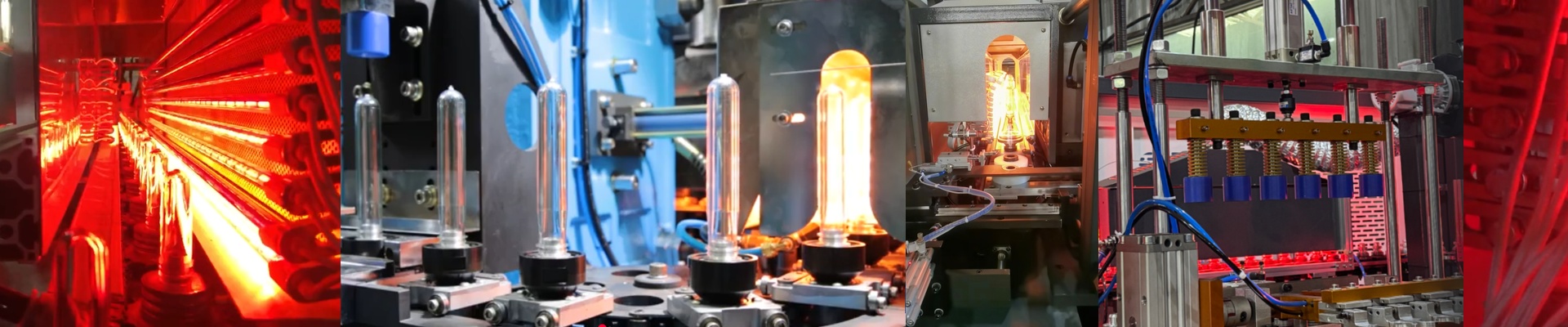
To stop those annoying shorts, you need a seal that actually holds up. We go with a multi-stage approach—think high-temp glass-to-metal seals or specialized ceramic potting. It basically builds a wall that keeps moisture and oxygen away from the connection. But it’s not just about the material; it’s about the movement. These wires expand and contract every time the heater kicks on and off. If the seal is too stiff, it snaps. Too soft? It melts. We make sure the materials move at the same pace as the quartz tube so nothing breaks.
The trade-off
Now, there is a catch. Better sealing means these units are a pain to repair in the field. Because the seal is permanent, you can’t just strip the wires and solder them back together if a lead snaps. You’ll have to swap out the whole heating assembly. It sounds like a hassle, but it’s a trade I’ll make every time. It’s the only way to keep things safe in high-heat environments. It beats dealing with fire hazards and those expensive, frustrating callbacks.