Stop Fighting Your Oven: The Secret to Consistent PET Bottles
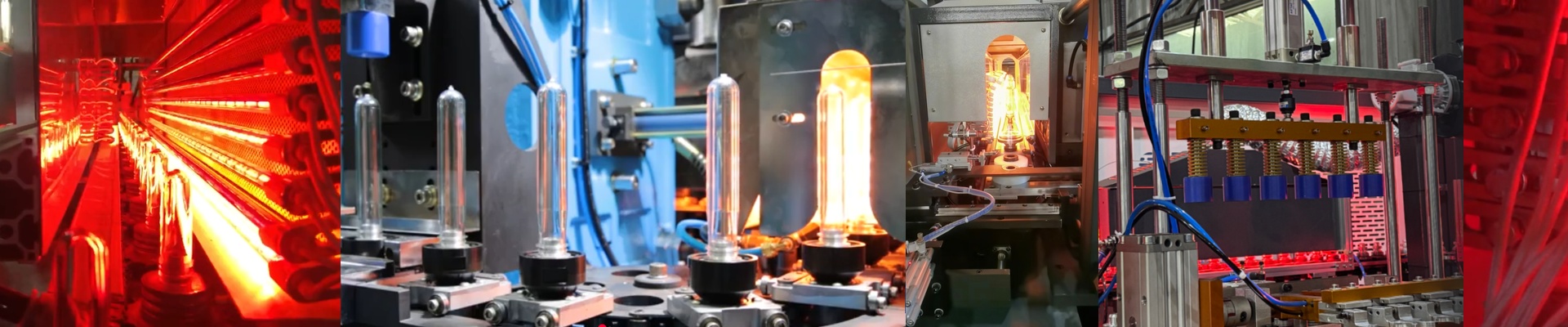
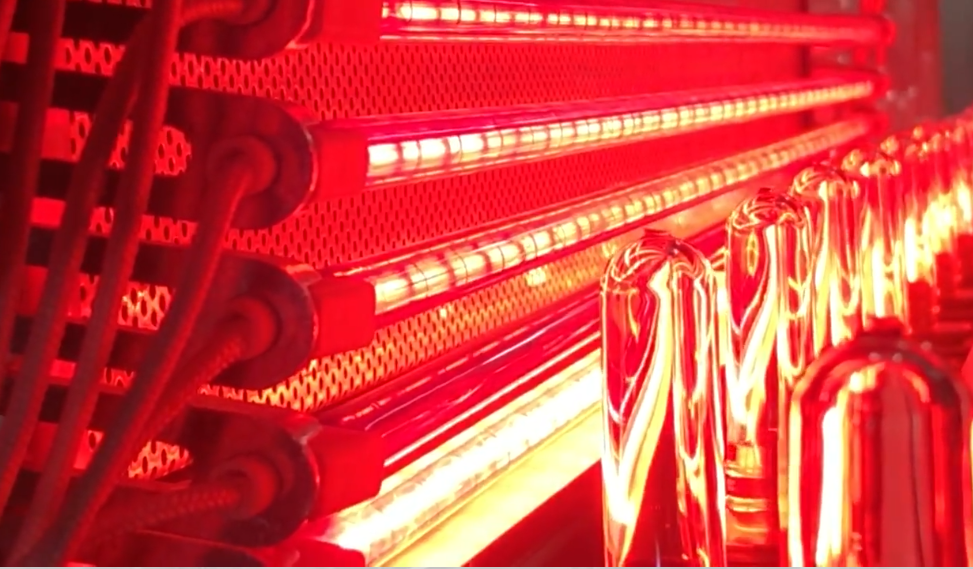
Ever feel like you’re constantly chasing your tail with your SIDEL Matrix B2B or SIPA rotary machines? One minute the bottles look great, and the next, you’ve got weird wall thickness or deformation that makes you want to pull your hair out. Usually, the culprit is something simple: your lamps aren’t talking to each other. Here’s the thing. When you mix and match lamps with different wattages, or throw in a few aging filaments, you get “thermal variance.” In plain English? Some spots are too hot, some are too cold, and your preforms pay the price. We fix this by making sure every single infrared replacement we send you is a 100% power match. Why “close enough” isn’t good enough In a rotary oven, precision is everything. If one lamp is humming along at 95% power while its neighbor is pushing 105%, you’ve got a cold spot. It sounds like a small difference, but it’s enough to ruin a batch. We build our tubes to incredibly tight tolerances. We match the voltage and wattage exactly to the OEM footprint so the heat stays dense and steady across the entire oven bank. No surprises. The nitty-gritty on the gear We use shortwave infrared tech and high-purity quartz glass because, frankly, these things take a beating. The thermal shock is intense, and the glass needs to handle it without cracking. And don’t worry about the installation. Most of these use R7s or SK15 connectors. They’re simple drop-in replacements. You won’t have to spend your afternoon rewiring racks or messing with the electricals. Plus, the connectors are rugged, so they won’t snap during a fast change-over. We also add specific coatings to bounce the heat back toward the preform. It keeps the energy where it belongs and stops it from leaking into the machine frame. A couple of things to keep in mind Now, if you go for high-wattage tubes to speed up your cycles, there’s a trade-off. More power in a compact tube means your cooling fans have to work harder. If your vents are clogged with dust, those lamps are going to burn out way faster than they should. Pro tip: keep your reflectors clean. If they get dirty, you’ll get hotspots on the quartz, and that’s a recipe for a short lifespan. The best part? When your lamps are actually spec’d correctly, you can stop obsessing over PID tuning. You set your power levels once, walk away, and actually trust that your temperature is staying put.