Stop Chasing Your Tail with Lamp Burn-outs on SIG Blomax Lines
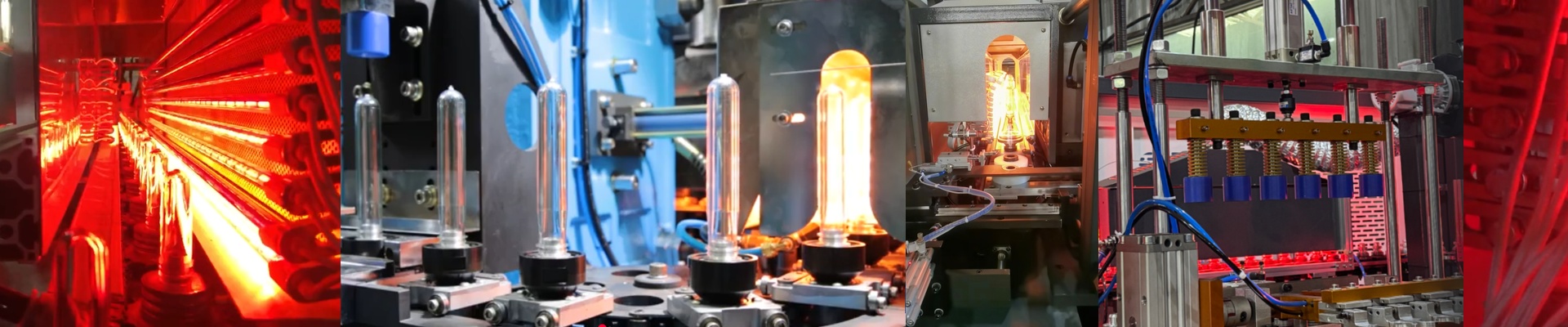
If you’re running SIG Blomax lines, you know the headache. One minute everything is humming along, and the next, a tube pops. Again. It usually comes down to the same two culprits: mechanical stress and thermal shock. When you’re running a high-speed PET blowing process, standard lamps just can’t keep up with the vibration and the constant heat cycling. They weren’t built for that kind of abuse. That’s why we built a reinforced infrared lamp. No fancy redesign of your whole system—just a tougher lamp that drops right into your Sidel or SIG setup. What actually makes them different? We didn’t just tweak the filament and call it a day. We looked at where these things actually break. Most lamps fail at the pinch seal—that little spot where the leads leave the glass. We changed the sealing process to lock everything in, which stops air leaks and keeps the filament from oxidizing. Then there’s the glass. We use high-purity quartz. It handles expansion way better than the cheap stuff. So, when you crank up the heat for those thicker preforms, the glass stays intact instead of cracking under the pressure. Getting the heat where it belongs These lamps are built for high-wattage, short-wave output. The goal is simple: get that PET preform to the glass transition temperature as fast as possible. You get concentrated heat exactly where the mold needs it. But here is a quick heads-up: because these lamps are more powerful, they put a bit more stress on your oven reflectors. If your reflectors are dirty or pitted, you’re wasting that extra power and potentially overheating your housing. Give them a good polish. It makes a world of difference. The best part? The install is a breeze. You don’t have to rewire your oven or mess around with your controllers. They fit your existing footprint perfectly. We use standard industrial connectors, so they snap in tight and stay put, even during a 24/7 run. The real win here isn’t just the hardware—it’s your schedule. You can stop the “break-fix” cycle on the shop floor. Instead of scrambling to replace tubes every few weeks, you just swap them out during your usual maintenance windows and get back to work.