Getting the Heat Right in Your Husky HyPET
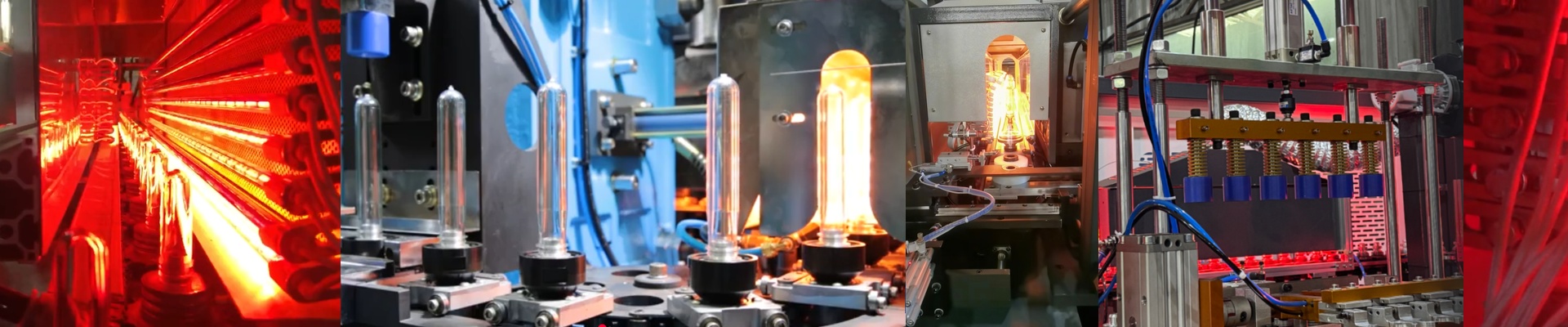
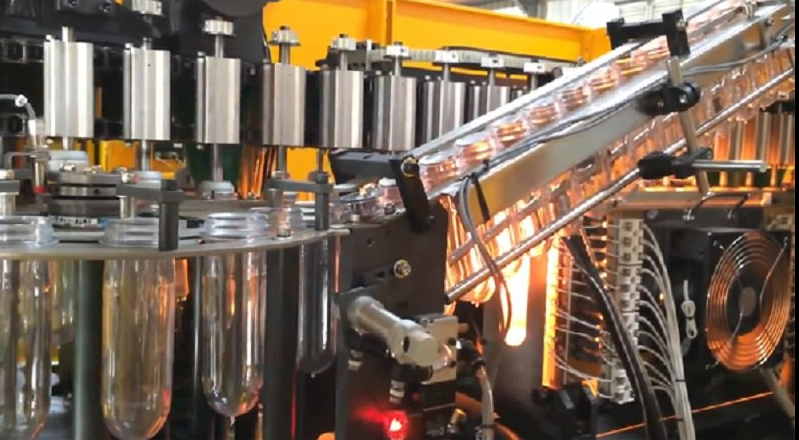
If you’re running high-speed PET blowing, you know the struggle. You look at your bottles and the wall thickness is all over the place. The process feels unstable. Usually, it comes down to one thing: your preforms aren’t heating through to the core. We’ve all seen it. Most lamps just blast the surface, leaving the center cold. It’s like trying to defrost a steak by putting it in a hot oven for two minutes—the outside burns while the middle stays frozen. Not great for your production line. That’s why we built our replacement lamps specifically for the Husky HyPET. Getting deep into the plastic We shifted the focus to a short-wave infrared spectrum. Instead of the heat bouncing off the surface, it actually sinks into the PET. We also tweaked the wattage and voltage to keep up with those fast Husky cycles. The result? You get a consistent heat flow that hits the glass transition temperature right where it needs to, without that dreaded “burnt skin” look on the outside. The nitty-gritty on the hardware These are simple drop-in replacements. No fuss. We use high-purity quartz glass because these things take a beating with constant thermal shock. The connectors are a tight fit, too—no arcing or loose wires to worry about. One small detail that makes a huge difference: the filament position. If the filament is off by even a fraction, you get cold spots. We keep ours dead-center so the radiation is even from top to bottom. A couple of things to watch out for Here’s the catch. More penetration means more heat density. Check your cooling fans. If your vents are clogged or just tired, these lamps can actually make your oven housing run too hot. Give your ventilation a quick look-over before you start. And a pro tip: when you swap them in, keep an eye on your PID settings. These lamps are way more efficient than the generic stuff, so you’ll likely need to dial back the power percentages. If you don’t, you might overshoot your target temp. Just wire them up, calibrate your sensors, and you should see a much smoother, more stable blow.