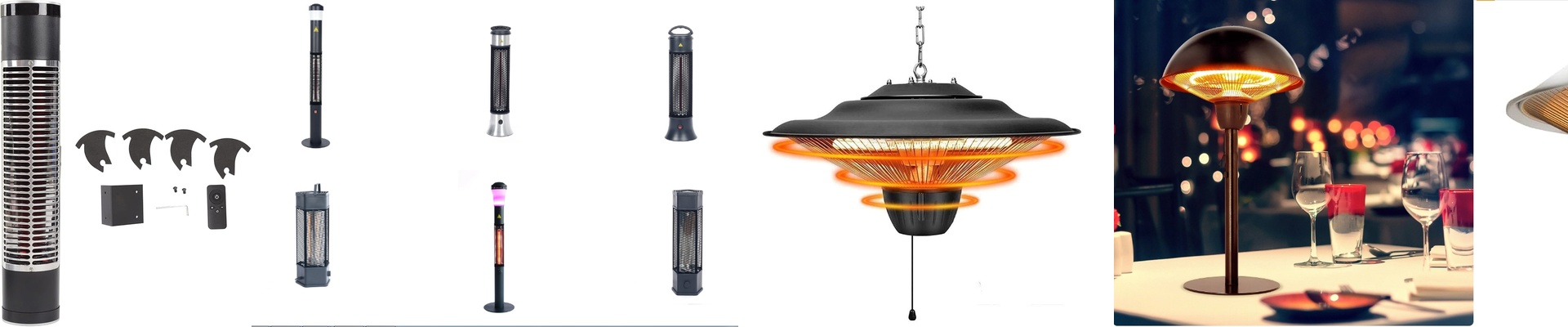
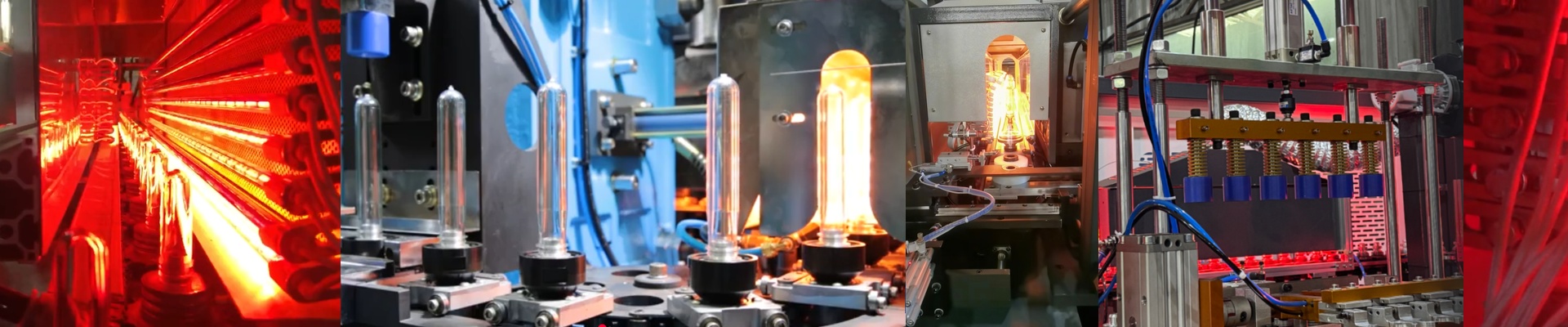
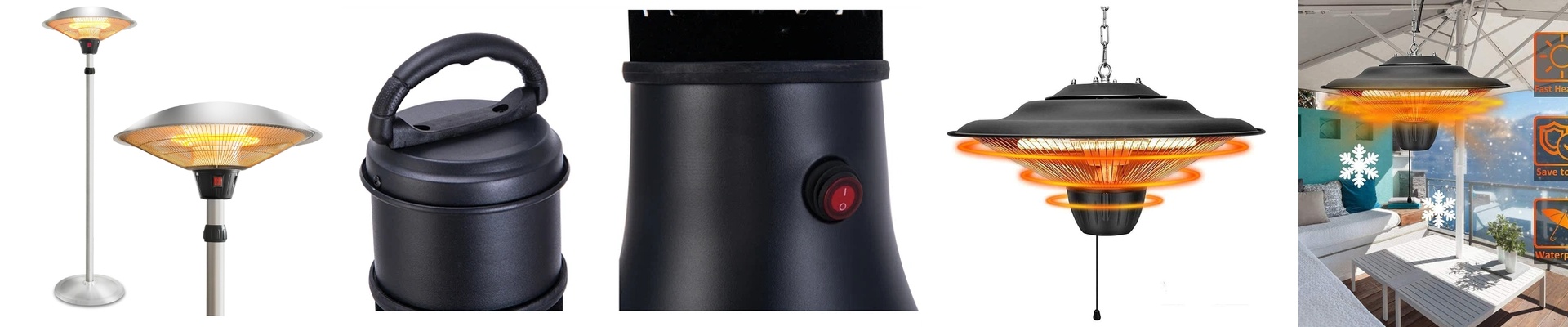
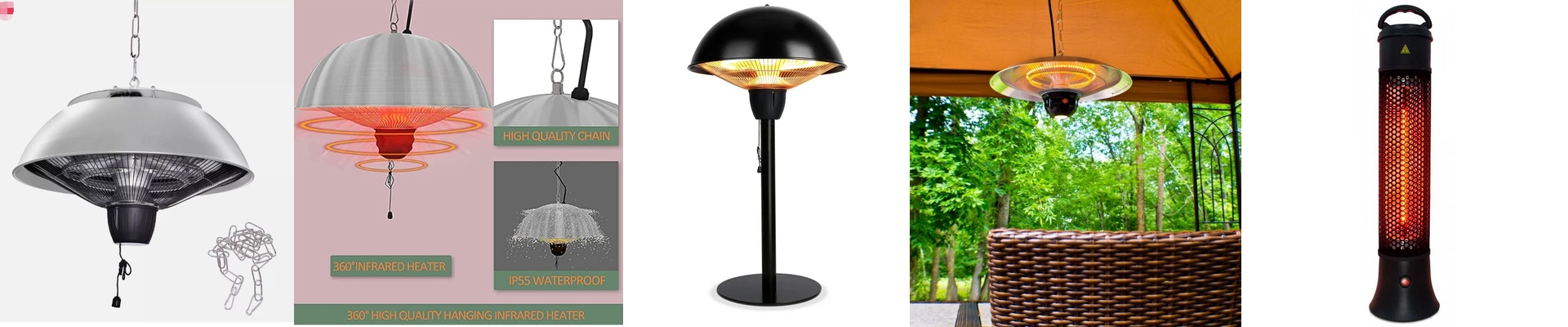
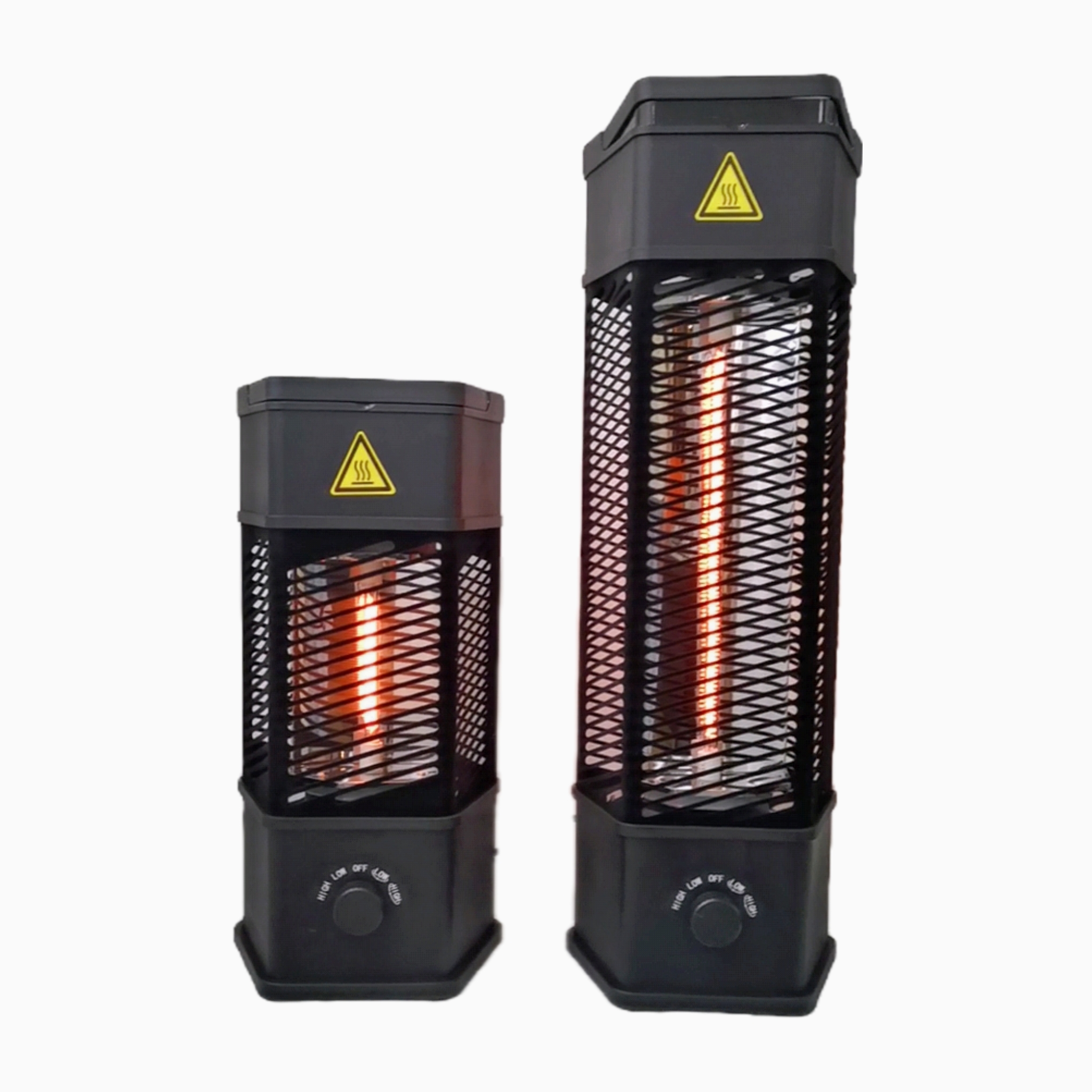
When the air turns crisp and evenings start to drag, the question is straightforward: does your heat pull its weight, or do you end up watching the clock and the weather? We build our infrared heaters for people who want comfort they can count on—whether that’s on the patio, out in the workshop, or in a sunroom that deserves steady warmth. What’s actually going on under the hood Our infrared heaters run on a carbon fiber or quartz element, producing radiant heat that warms people and objects directly, instead of chasing around the air. You feel it within seconds, not minutes. Many models operate on standard household voltage, pull a specific current, and come with an adjustable thermostat to keep things level. Safety is baked in—tip-over protection and overheat protection are standard—and the outdoor-rated versions carry an IP rating for dust and splashing water. Why this style of heat fits the job Outdoor living and cold-season routines need heat that starts fast and stays consistent. Infrared warmth holds up when the wind picks up because it targets the cold surfaces that matter—chairs, floors, and your shoulders. And when reliability is non-negotiable, our protection plan is there: if an infrared heater fails in the first year, our global after-sales support jumps in with repair or replacement. Quick action, no guesswork—just warmth back in place. A few field-tested pointers For the best results, position the heater so it has a clear line of sight to the people who need the warmth, with as few obstructions as possible. Keep it on a level, stable surface, and when you can, plug it into a dedicated outlet. Infrared heat is immediate, but it won’t heat an open yard the same way a sealed enclosure heats a room. Match the wattage to the size of the area, and for exposed spaces, stick with outdoor-rated models. Set it up right, and you get efficient, targeted comfort—night after night.