
Basements always feel colder than they have any right to. Concrete sucks heat right out of the air, moisture hangs around, and even a small space can turn into a stubborn pocket of chill. When the damp hangs on, you feel it—clothes get clammy, surfaces stay wet, and cranking up the heat alone doesn’t make the room truly comfortable.
What we built, and why it matters
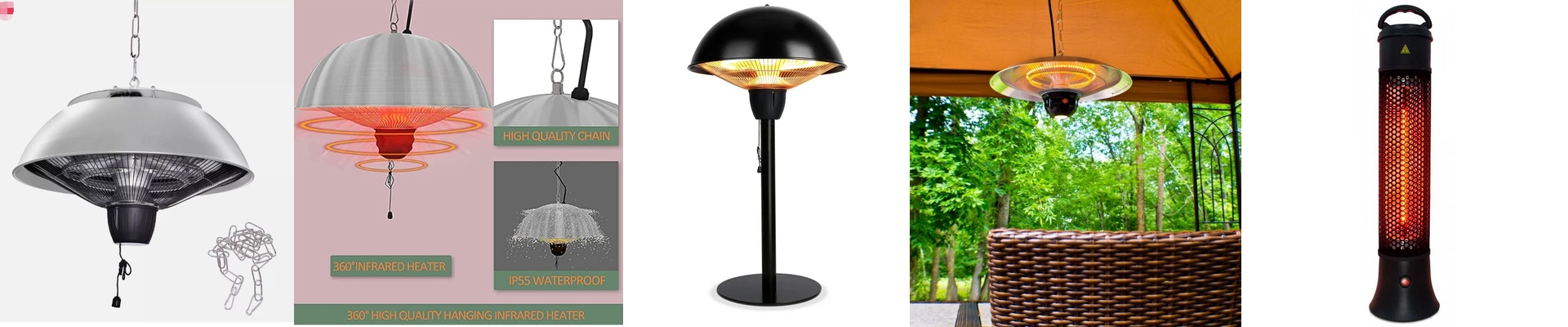
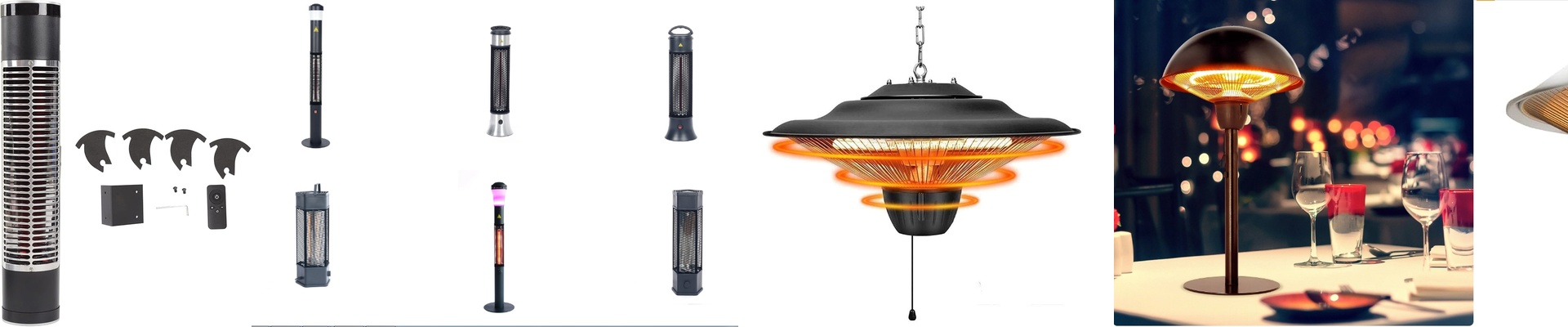
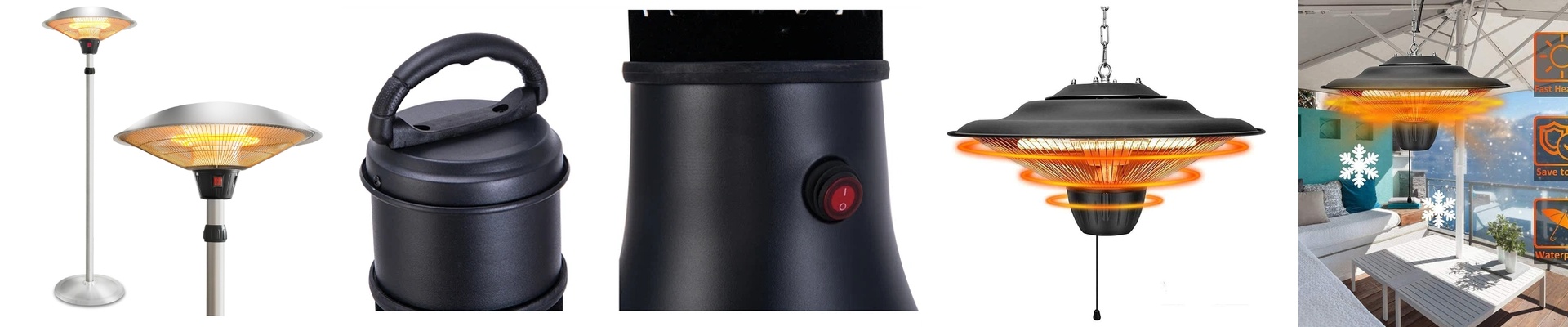
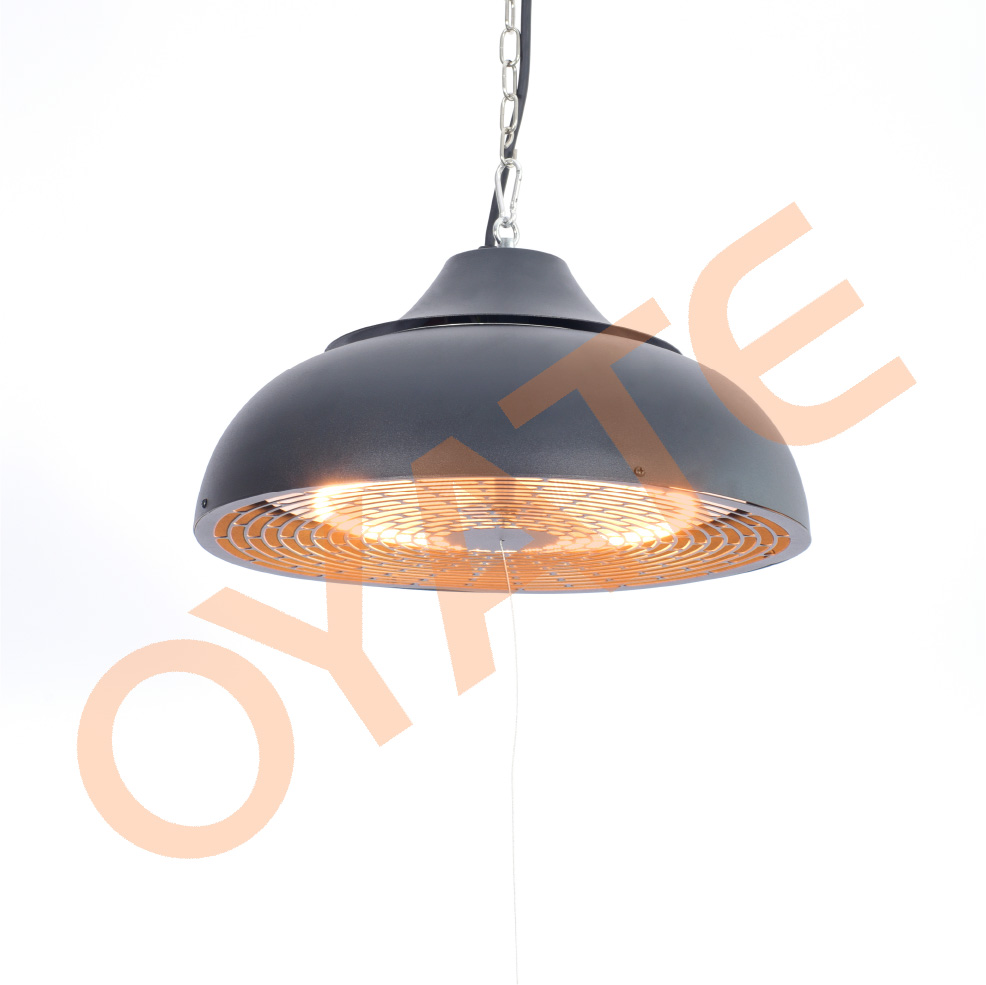
We put this desktop electric heater together around radiant infrared warmth, driven by a high-efficiency quartz tube element. Instead of pushing air that cools as soon as the fan stops, it sends heat straight to people and objects—warming you first, then the surroundings. The payoff is immediate comfort with low power draw, typically around 400–600W, so you can run it steady without watching the meter spin. It’s designed for wall mounting, so you keep floor space open and keep the heat where you actually need it. You get an adjustable thermostat for consistent temperature control, plus built-in tip-over protection for day-to-day safety.
Why this approach works in a basement
A basement fight is usually two things at once: cold and humidity. A conventional heater warms the air, but that warm air can still feel heavy and muggy. Infrared heat changes the feel because it targets surfaces and your body, not just the air. That direct warmth helps you feel dry and cozy faster, even when the walls stay cool. Because the unit is low-power and wall-mounted, it slips into tight spots without fuss and runs quietly. That makes it practical for a workshop, laundry area, or finished basement—without worrying about overloading the circuit.
The details that make the difference
For the best results, mount the heater at a comfortable height so the infrared warmth spreads across the main seating or work area. It’s built for indoor, dry locations; it handles typical basement conditions fine, but it’s not meant for direct water exposure. **Infrared heat delivers comfort quickly, but very cold concrete walls can still pull heat back over time.**Pair it with solid insulation or a dehumidifier, and you’ll keep that damp chill from creeping back in.