When the temperature drops, a greenhouse is more than just a structure. It’s a living system that needs steady, dependable warmth. Cold snaps don’t announce themselves—they just show up. If your heat strategy isn’t solid, you risk slowed growth, wasted inputs, and customers who lose faith. We treat greenhouse heating as a practical thermal plan, not a box to check. The goal is simple: keep plants thriving and keep operating costs in line.
What matters on the technical side
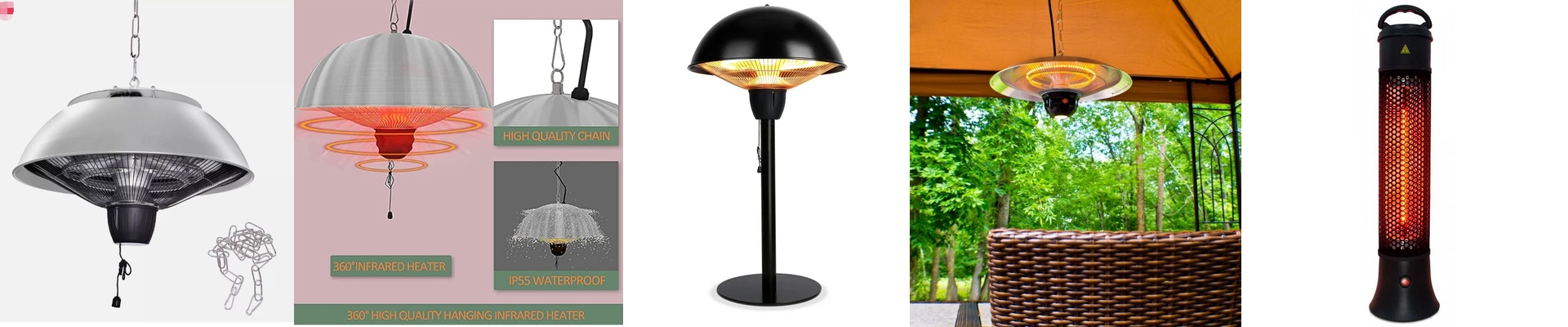
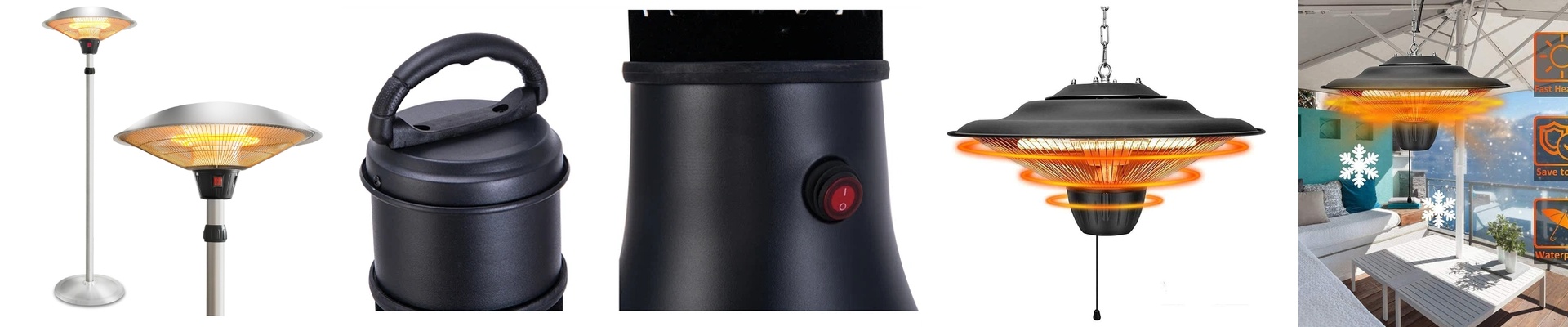
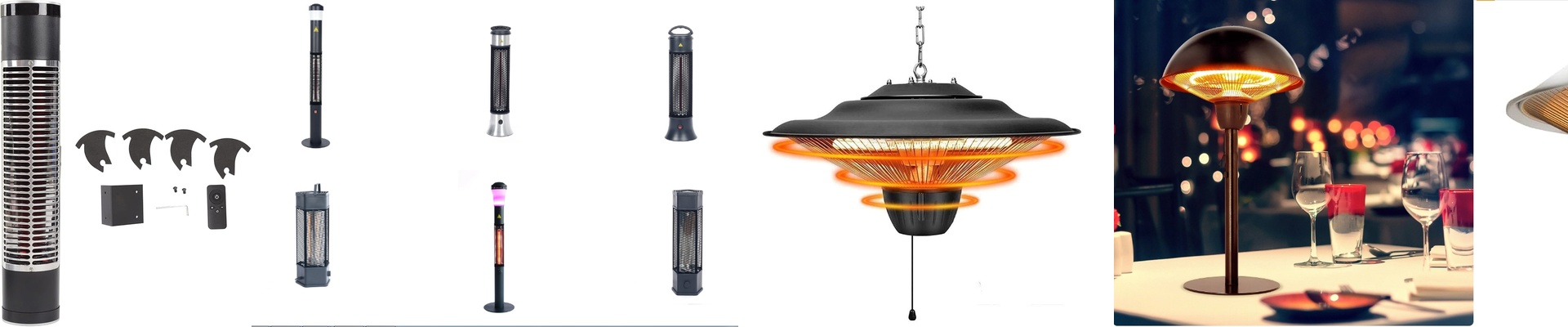
Infrared radiant heat works the way the sun does—delivering warmth directly to people, plants, and surfaces, instead of heating the air first. In a greenhouse, that means less warm air escaping through vents and more heat where it’s needed. We build our greenhouse heaters around high-output infrared elements that give you immediate, directional warmth, with controls that make intensity adjustments straightforward. Electric operation keeps the system clean and quiet, with no combustion byproducts inside the growing space. Output is matched to the greenhouse volume and layout, so coverage fits your actual footprint, not just the square footage on a spec sheet.
Why it fits greenhouses
Infrared greenhouse heating shines where warm-air systems tend to struggle. You feel the warmth hit the plants and benches right away, which helps hold consistent growing conditions even when outside temps swing. Because the heat is directional, you can focus it on the spots that always run cool—seedling zones, propagation benches, or a drafty corner—without overheating the rest of the house. That targeted approach can cut overall energy use and smooth out the daily temperature swings that stress crops. For you, that means fewer temperature-related setbacks, steadier cycles, and a heating setup that’s easier to fine-tune as the seasons change.
The details that make it work
Infrared greenhouse heaters perform best when placement and coverage are planned from the start. Clearance to plants and materials matters, and spacing them evenly prevents patchy hot and cool spots. Most units need a dedicated electrical circuit, so verify your service capacity before you install. In a humid greenhouse, protection against moisture ingress is key—pick a model rated for the environment to keep components reliable. And plan for easy access to clean and inspect. Even dependable equipment does its best work when it gets a little routine attention.