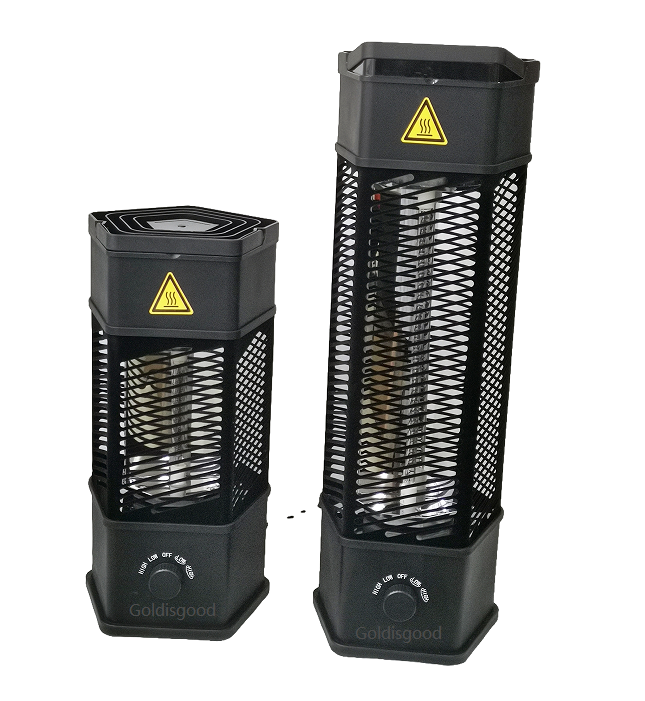
Step onto a wind-cut train platform at dusk, or pull up to an open-air coffee spot on a brisk autumn morning. The cold hits first—creeping through layers, slowing you down, turning a pleasant pause into a restless wait. In busy commercial and transit spots, comfort isn’t a perk. It keeps people moving, spending, and coming back.
What actually matters, technically
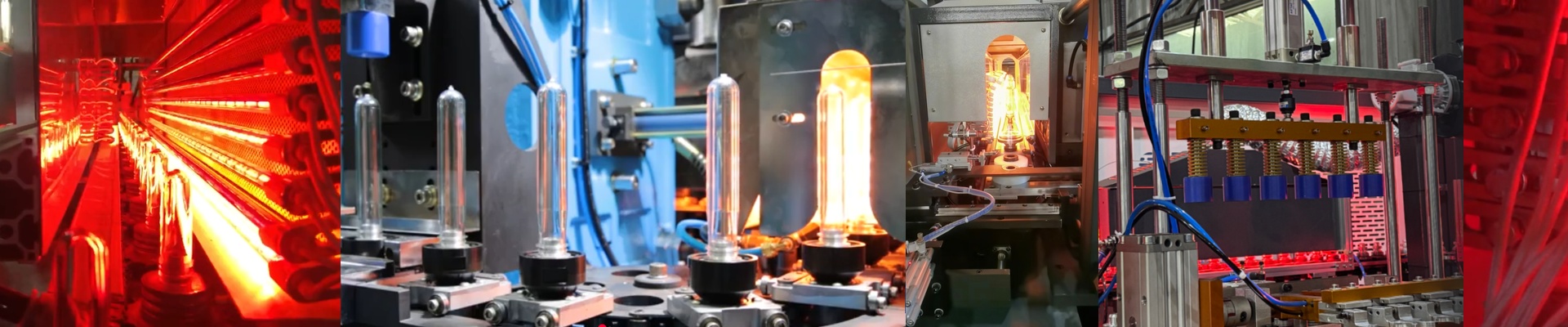
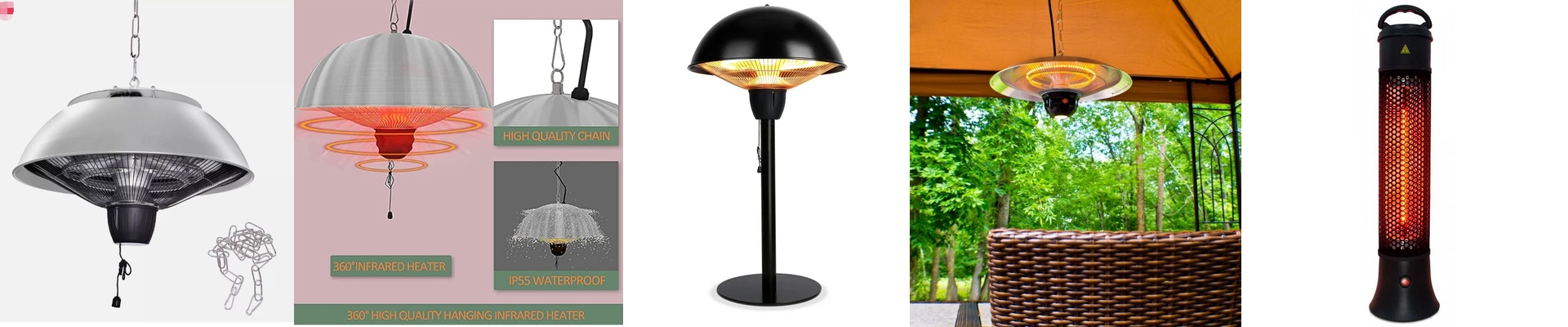
We lean on electric infrared heaters because they deliver radiant warmth, not a rush of moving air. Inside, a high-purity quartz tube holds a carbon fiber element, tuned to emit short-wave infrared that travels straight and heats people and surfaces directly. You get targeted heat that kicks in within seconds—no warm-up lag. In the field, that means a 1.5–2.4 kW unit can cover a 10–15 m² outdoor zone, depending on wind and mounting height. You’re not wasting energy on a broad blast of heated air; you’re shaping a focused warmth pattern. The quartz envelope handles rapid temperature swings, and the sealed build keeps dust and moisture where they belong—outside.
Why this works in these spaces
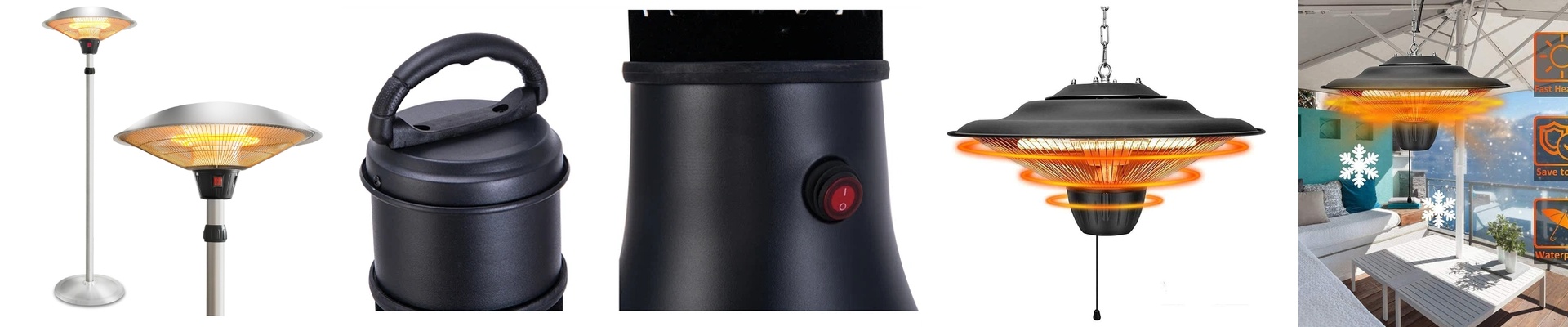
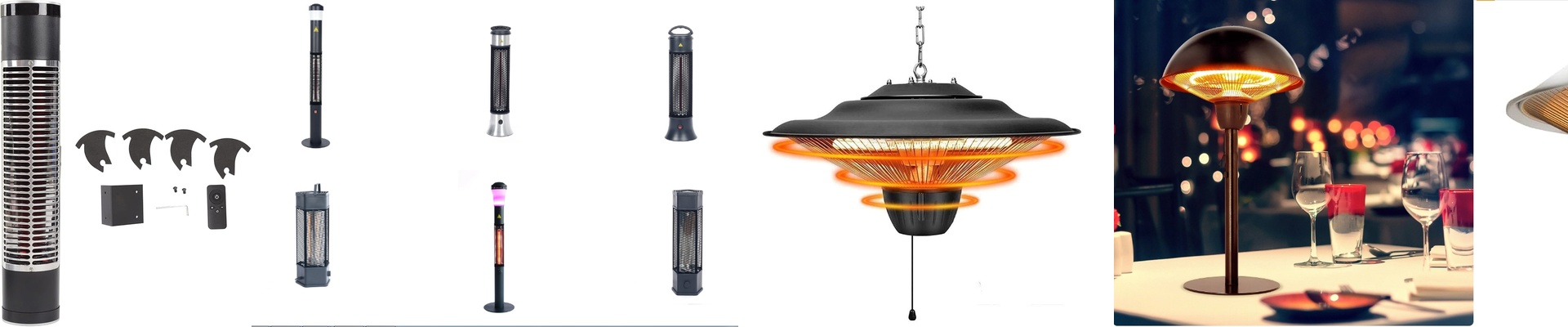
Coffee terraces and train stations have the same problem: people come and go. Forced-air systems heat the whole volume, and that warmth vanishes the moment a door opens. Infrared heaters keep the comfort where it matters—around seated guests, standing commuters, and the staff working the counter. Because the heat is directional, you can place units over tables, near entryways, and along queue lines, turning cold pockets into places people actually want to stand. The response is immediate, so customers don’t have to wait and staff don’t have to make excuses for the chill. And since the element heats on demand and the beam stays localized, energy use stays focused—helping you control operating costs without sacrificing the experience.
The practical details you’ll want to get right
Infrared warmth does its best work when it lands on the right targets. Aim the beam where people gather, and mount at a height that spreads the pattern without glare. These are electric and low-emission at the point of use, but they do radiate directional heat—plan clearances and avoid mounting directly above sensitive materials. For outdoor reliability, pick units with a solid IP rating and a protective grille. Most will plug into a standard outlet, but in high-use commercial spots, hardwiring is the way to go for steady performance. One real-world note: strong wind can make the warmth feel less even, so placement and windbreaks matter. Set the thermostat to maintain comfort, not to chase the ambient air temperature, and you’ll get consistent, low-hassle warmth all season.