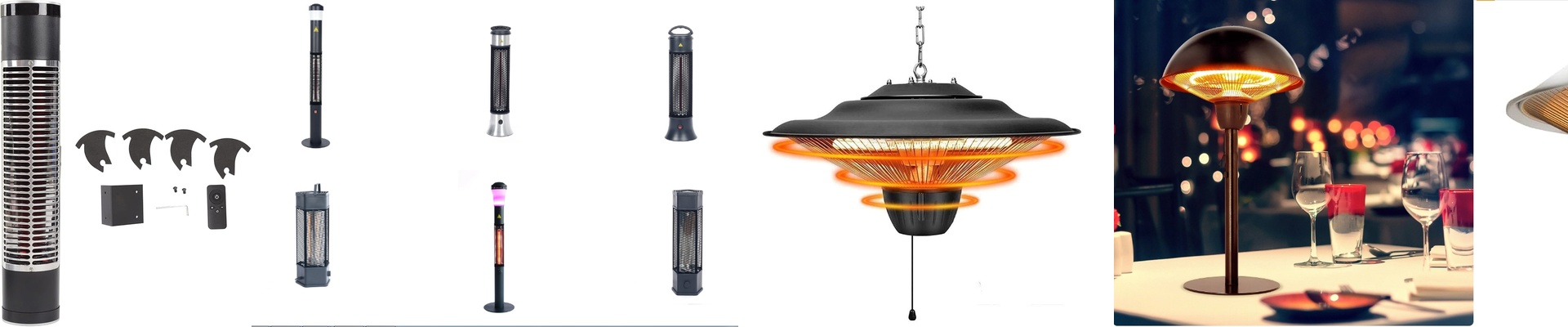
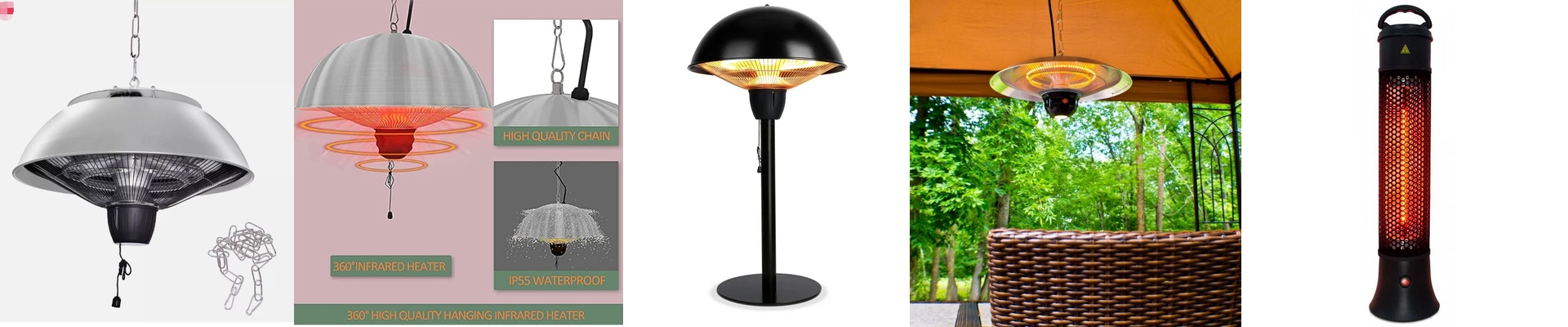
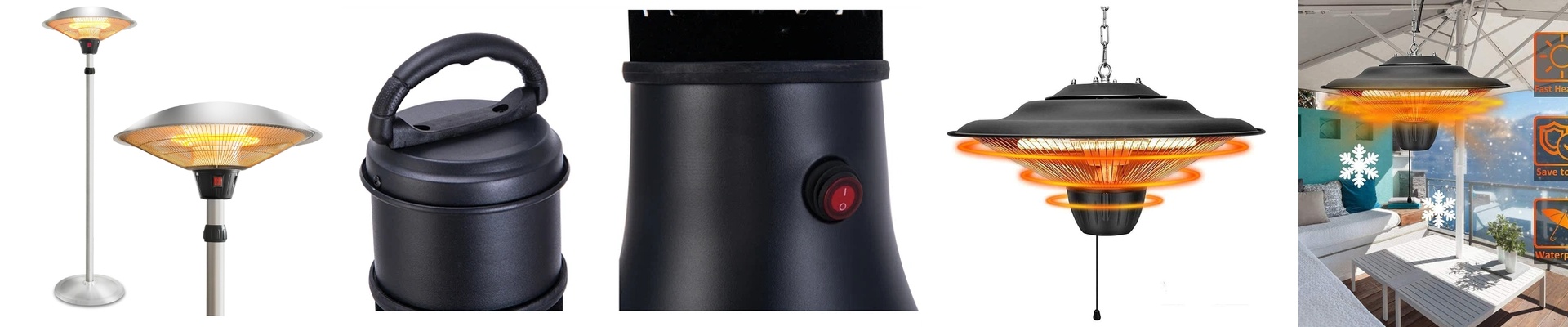
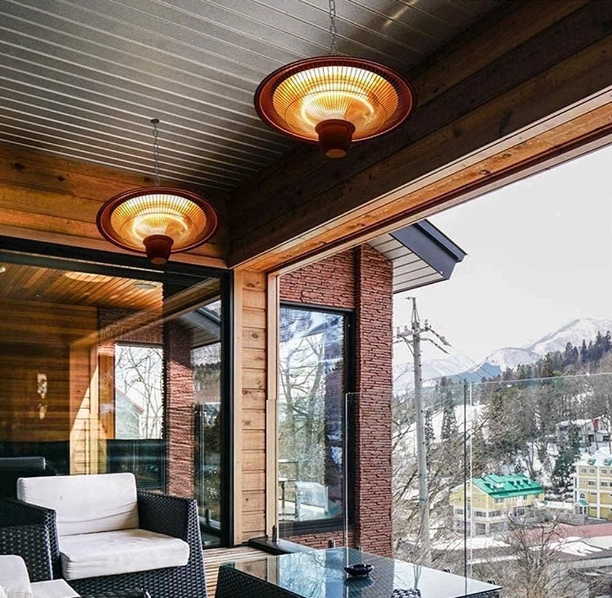
When evening turns crisp, comfort shouldn’t be something you have to justify. For businesses and homeowners, the right outdoor heating keeps customers seated longer, gets families outside more, and keeps energy costs predictable. We put our carbon crystal heater line together to deliver that reliability without the usual markup—by owning the supply chain and passing the savings straight through.
What matters, technically
Carbon crystal heaters put out infrared warmth that radiates outward, heating people and surfaces directly instead of wasting energy on the air. The core is a carbon fiber element inside a quartz tube, chosen for fast heat-up, even output, and long service life. Typical units run on standard 120V or 240V circuits, with power options scaled for a small patio or a larger commercial deck. A built-in thermostat helps maintain steady comfort, and tip-over protection adds a practical safety layer. For outdoor use, look for an IP rating that confirms the heater can handle damp conditions—rain, splashes, and evening dew won’t shut it down.
Why it works in the real world
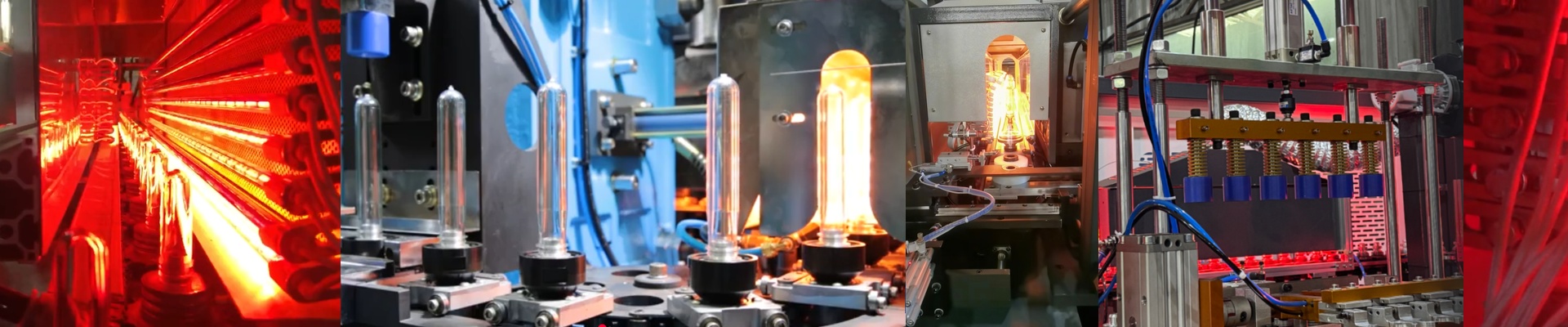
The win is price discipline without cutting corners. We control sourcing, assembly, and logistics, so we cut the hidden costs that normally inflate retail pricing—middle-layer markups, expedited freight, and excess inventory. That’s how we can offer a wholesale price advantage while still using a durable carbon crystal core and solid housing. For you, that translates to more margin on each unit, or the ability to price competitively when the market is crowded. On the comfort side, radiant heat feels immediate, so outdoor spaces stay usable the moment you flip the switch. And because it warms objects rather than air, the heat holds steady even when a breeze moves through.
The details that make the difference
Carbon crystal infrared heaters perform best when you aim the warmth directly at seating areas—wall-mounted under a covered patio, or freestanding in a sheltered corner. They deliver comfort fast, but remember: they’re designed to warm people and surfaces, not to heat a completely open yard. For full-season flexibility, pair them with an enclosure or wind shield. Also, confirm voltage compatibility and dedicated circuit requirements before installation. Get that match right, and you avoid tripped breakers and keep the heater running at its rated output.