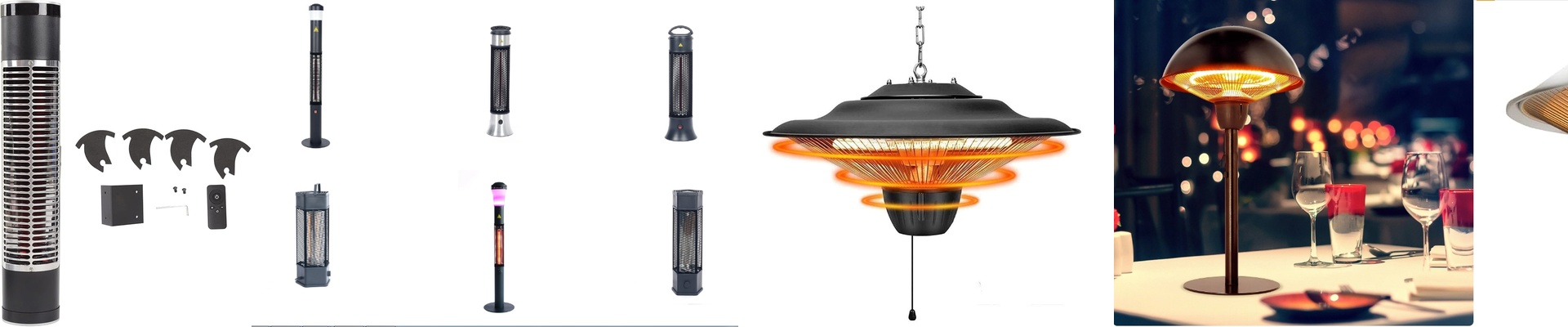
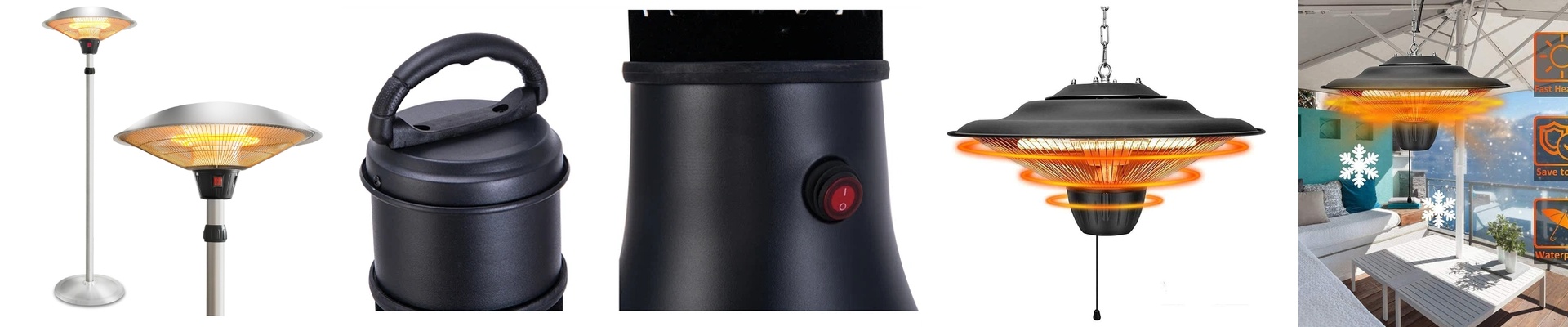
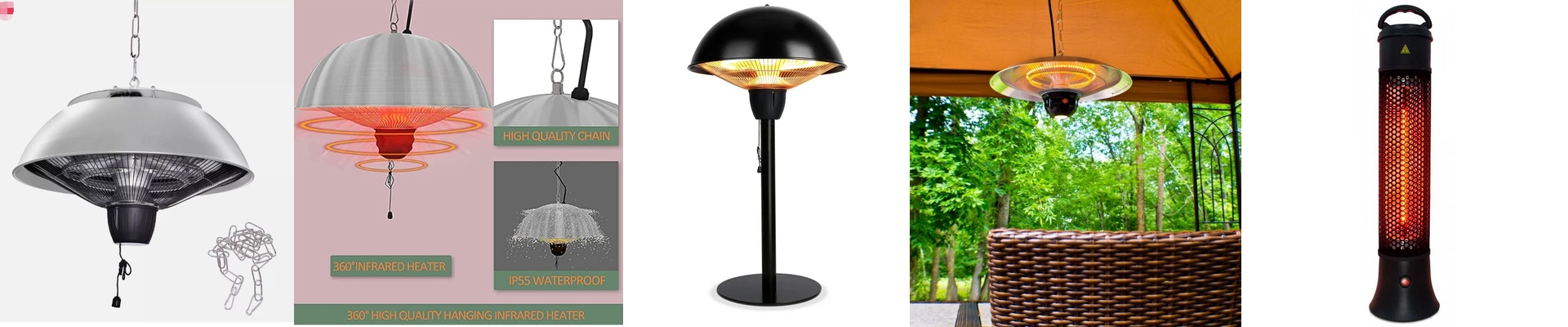
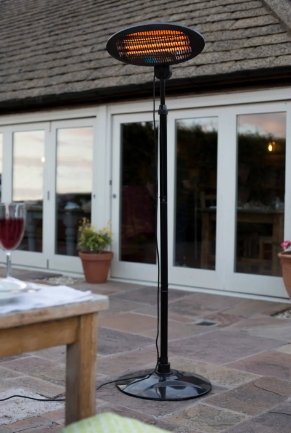
We build compact electric heaters for homes where warmth has to show up fast, be on point, and still make sense on the bill. When winter tightens its grip, comfort isn’t a perk—it’s what keeps you well, focused, and able to settle into the evening without fighting the cold. A heater that drags its feet leaves you waiting, and waiting costs time and money. So we built a compact electric heater around practical, efficient heat: targeted infrared warmth that warms you where you are, without overworking the room or the circuit. What’s going on under the hood We run a high-output carbon fiber heating element behind a reflective backing, so the radiant heat is aimed where you sit—not just dumped into the air. You feel the warmth almost immediately, and as nearby surfaces warm up, the surrounding space gently follows. A built-in thermostat holds the temperature steady, so you’re not constantly correcting hot spikes and cold dips. It plugs into a standard 120V outlet, draws 1,500W, and stands under 12 inches tall—small enough to live on a desk, bench, or nightstand. For safety, tip-over protection cuts power if the unit gets knocked over, and the exterior stays cool enough for tight spots. Why this approach fits modern living Heat should work around you, not the other way around. In a compact room—bedroom, study, or reading nook—this heater warms you first, then the surroundings. You feel cozy sooner, and you hold onto comfort without burning extra energy. That steady warmth helps muscles relax and supports easier relaxation, which can make sleep feel more natural. And because it’s quiet and compact, it slips into the day without getting in the way—morning work, evening unwind, same setup. What to do for the best performance For the most consistent comfort, place the heater 3–6 feet from where you’re sitting, and keep it clear of curtains and furniture. This unit is designed for indoor use only; if you need something for moisture or outdoor conditions, you need a heater rated for that environment. The exterior stays relatively cool, but the heating element runs hot—avoid letting fabrics make direct contact. Plug it into a dedicated outlet when you can, and keep the cord routed cleanly so there’s no trip hazard.