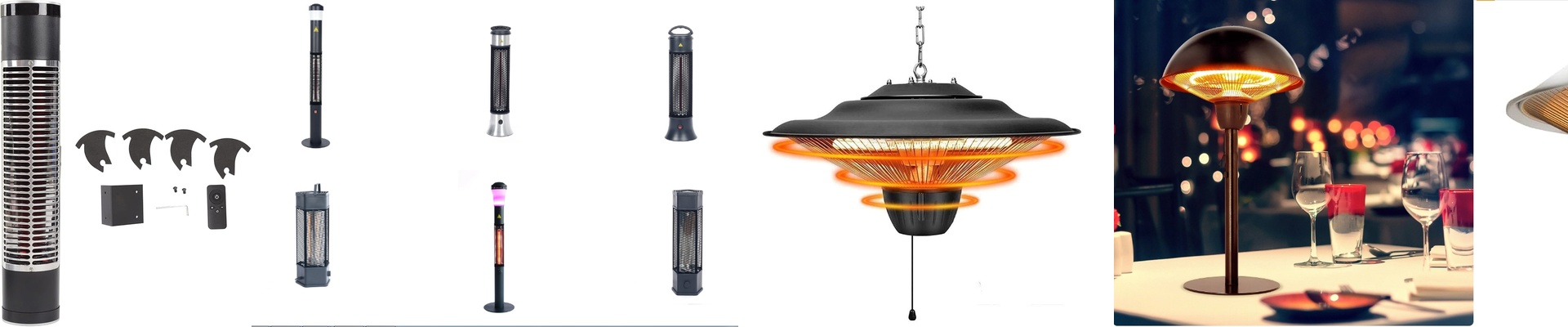
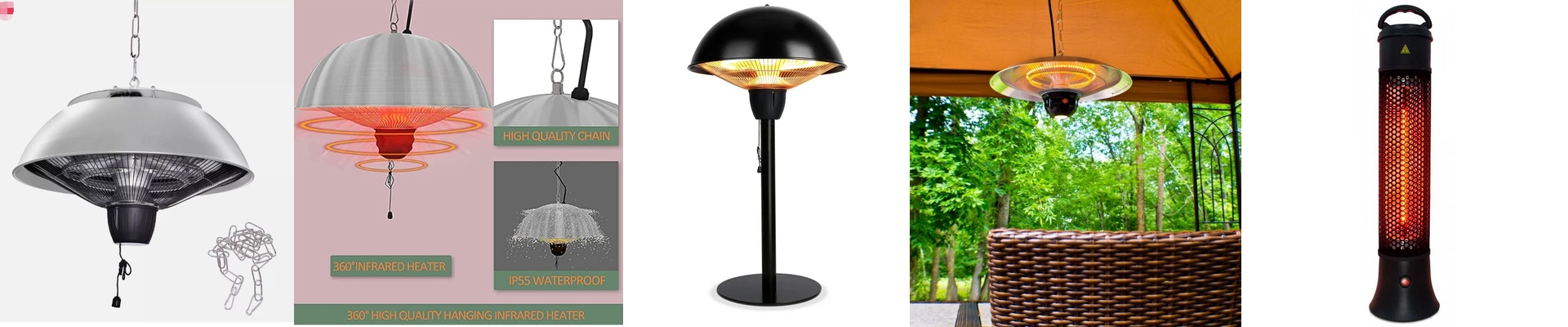

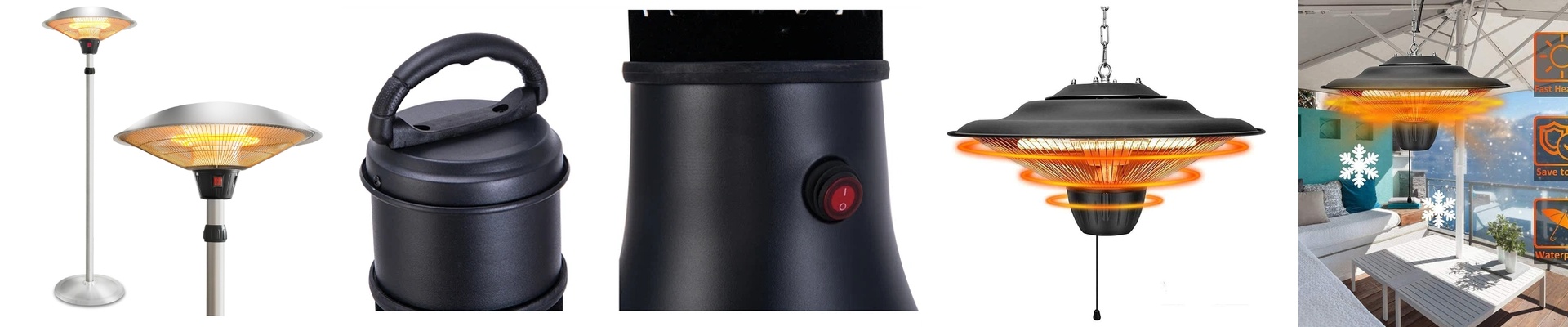
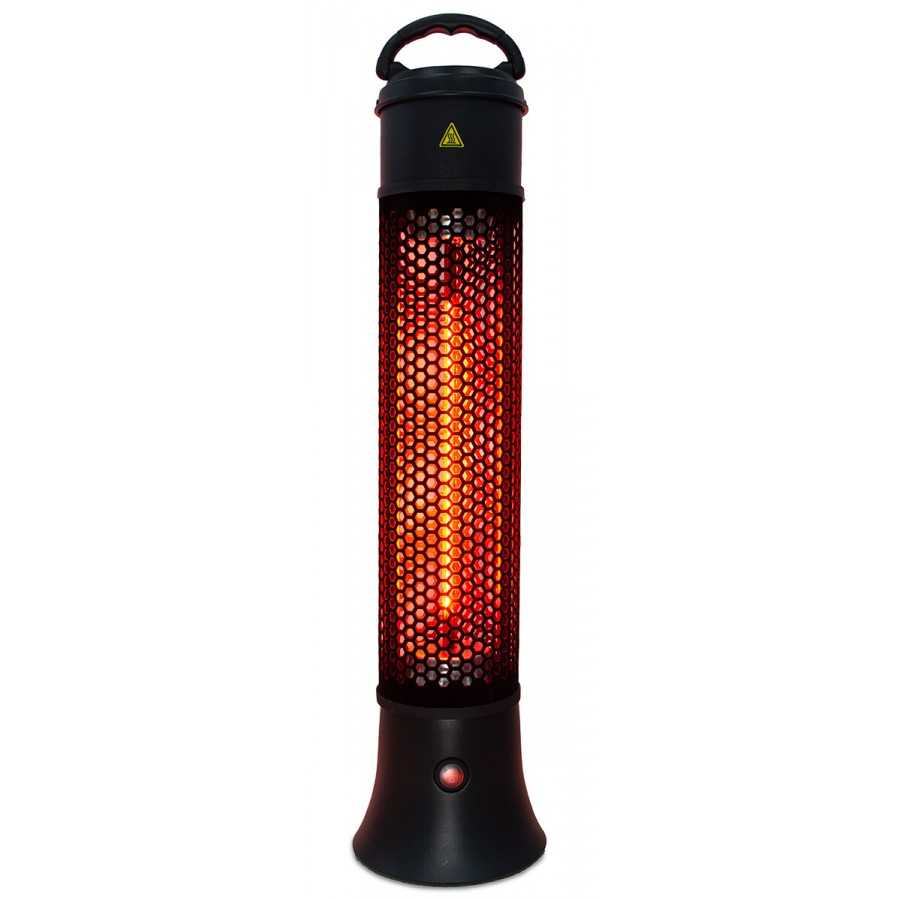
There’s a particular kind of relief that comes from stepping into a Bedroom that’s already warm on a cold night. But not every infrared bedroom heater earns that feeling. The quickest tell is right there in front of you: how fast the glow comes up.
What actually matters under the hood
Infrared bedroom heaters work by radiant heat, and the element is where the rubber meets the road. A high-purity quartz tube with a dense, evenly wound resistance wire fires up almost instantly—often 2 to 3 seconds after you flip the switch. That snap means the element hits operating temperature without dragging, so you get heat when you want it. Cheaper materials take longer to glow and tend to run hot in spots. The result is uneven output and faster fatigue. In the field, a fast, steady glow points to a cleaner internal build, better thermal conductivity, and a more consistent infrared wavelength.
Why this matters in a bedroom
Comfort in a bedroom is personal. You want warmth that arrives quietly, without drying the air, and settles on your skin the way sunlight does. A well-made infrared heater comes on fast, so you’re not standing around waiting, and it holds steady so you’re not jolted awake by temperature swings. The upshot is a room that feels cozy sooner, with less cycling on and off, and a heater that stays consistent season after season.
The practical details that keep it working
**Keep the path clear.**Don’t block the unit with bedding or curtains, and maintain a safe distance from people. Most bedroom infrared heaters plug into a standard outlet, but they still pull significant current—skip the extension cord. Look for the basics: tip-over protection and overheat protection. Infrared warmth is directional, so aim the heater to warm the bed and the immediate area, not the whole room.