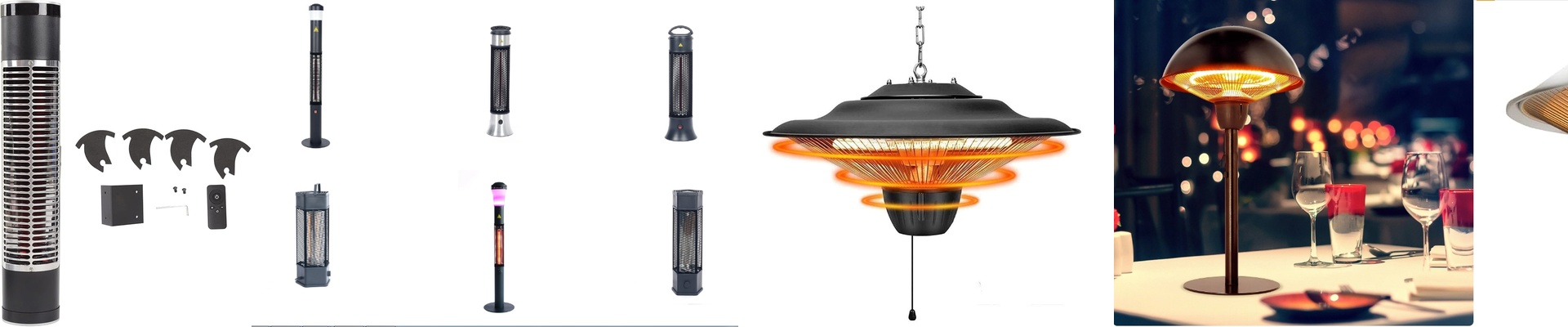
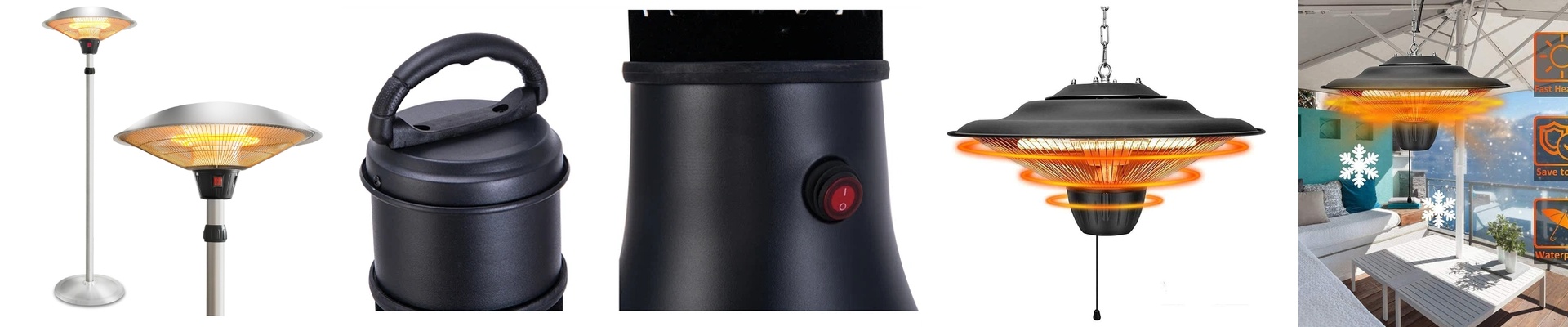
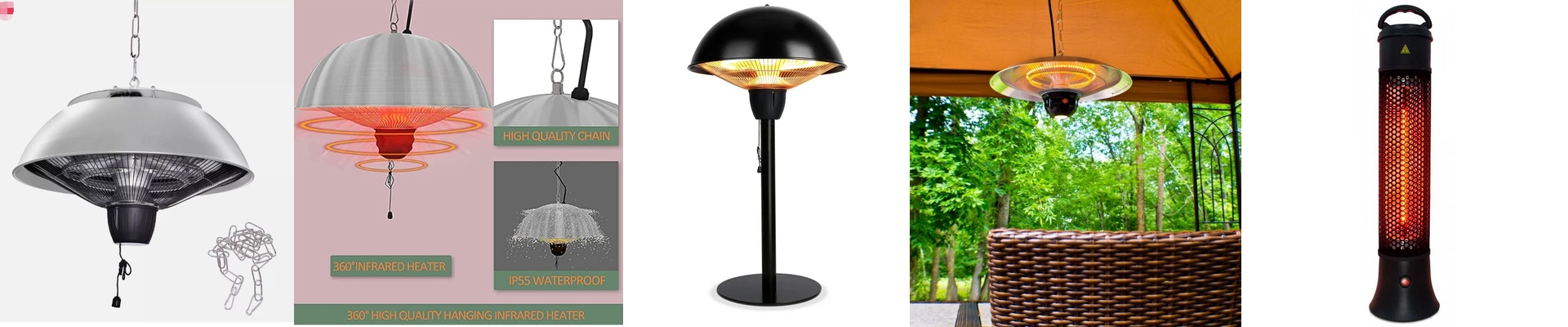
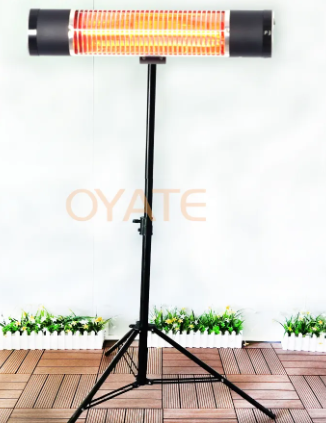
Here’s the thing about our attic infrared heaters: we built them with one clear goal in mind. Get the heat where you need it. And stop wasting it. Because an attic is no ordinary space. It’s full of air gaps and weird angles. So, just throwing raw power at the problem doesn’t work. You need control. Precise control.
The Power Behind the Warmth
We design these heaters to pack a serious punch into a small package. It’s all about matching the wattage to the job—the temperature you need and the area you’re covering. And the voltage? That’s a big piece of the puzzle. We typically use 220V–240V or 400V, depending on the unit. Going with higher voltage is smart. It means lower amperage for the same wattage. That keeps your wiring thinner and prevents voltage drop, which can really kill performance, especially over those long, exposed attic runs. The payoff? A stable element temperature and consistent heat, every single time.
The Secret is in the Design
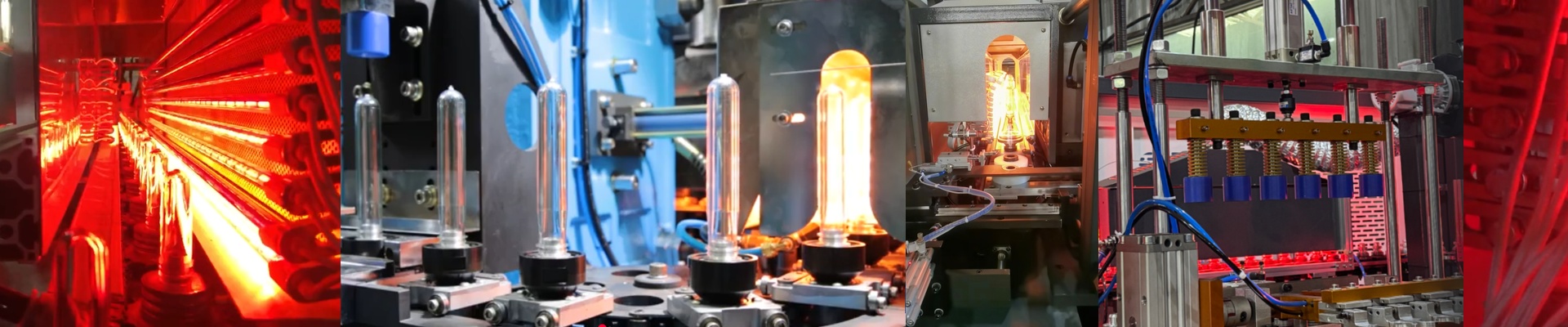
The real magic happens in the reflector assembly. We use geometric optics to shape the heat beam. The reflector is calculated to collimate the infrared, projecting a controlled, even patch of warmth instead of a harsh, uneven hot spot. And a high-reflectivity coating on the reflector keeps stray radiation from going off-course. Then there’s the emitter itself—a quartz tube with a halogen fill. It gets hot, fast. The heat it produces is shortwave infrared, which warms surfaces directly, not the air. That means less wasted heat from convection. It also means the emitter itself runs incredibly hot, so you have to be mindful of clearances and use the protective shielding.
Why It Works So Well in Attics
So what does all this mean for you, in your attic? It means even heating across joists and storage areas. It means a faster warm-up. And it means you’re not wasting energy heating dead air. These heaters are perfect for spot heating, freeze protection, or keeping things at the right temperature in those hard-to-reach corners. Installation is straightforward. Mount it, wire it, and use the built-in adjustments to aim the beam. Because the reflector is so efficient, you need fewer units to cover the same space. That saves you money on hardware and labor. Just remember to size the circuit protection and ventilation correctly. This is high-intensity heat, and the surrounding structure needs to handle the thermal load.