
Why We Swapped Kerosene for Industrial Infrared Heaters (And You Should Too)
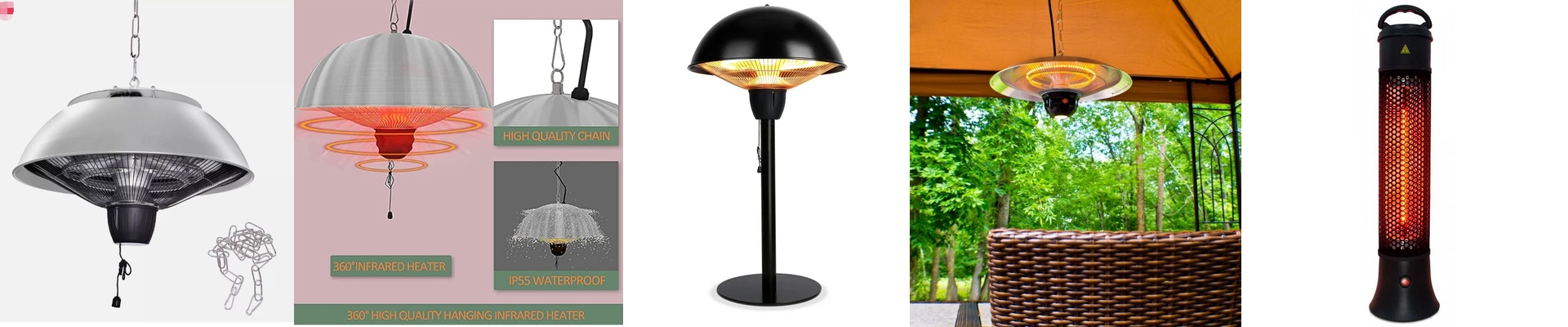
We built this upgrade for one simple reason: to keep your indoor air actually breathable. Kerosene heaters leave behind soot, moisture, and nasty combustion byproducts. Our halogen infrared heaters? They produce nothing. Zero combustion. Just clean, quiet warmth that keeps oxygen steady and dusty particles out of the picture.
Let’s talk power: wattage, voltage, and real-world output
Infrared heating is about matching the heat to the room—no more, no less. We size our units to deliver focused radiant warmth with a predictable electrical draw. That way, you can plan your wiring, breakers, and heat management without guesswork. Here’s the thing: higher wattage means faster warm-up, but it also means hotter surfaces in one spot. And that brings up an important reality check. Compact, high-wattage infrared emitters get seriously hot. You have to plan for clearance, choose the right mounting materials, and make sure there’s enough ambient cooling. If the chassis can’t shed heat properly, the components will wear out faster. So plan the thermal path first. Then worry about the wiring.
The design that makes it reliable: halogen elements, quartz tubes, and R7s mounting
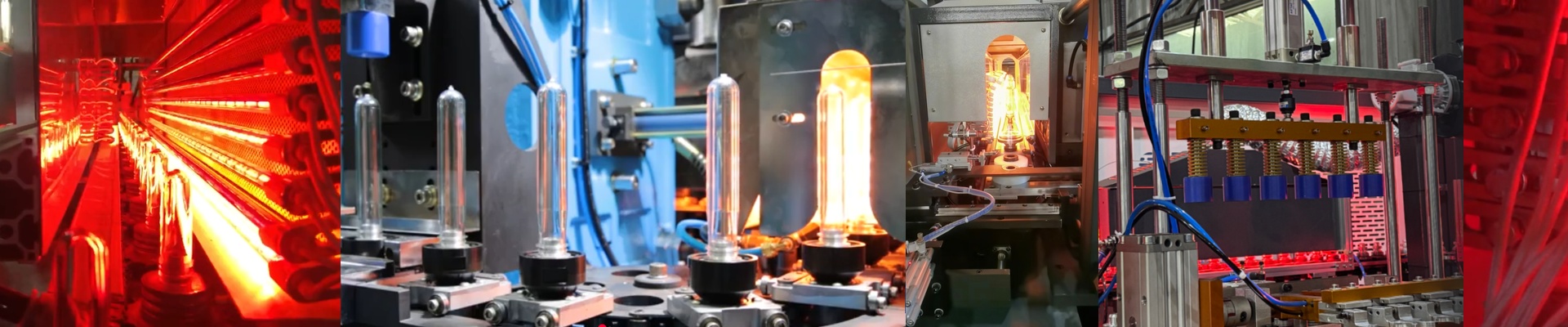
Inside, you’ve got halogen elements sealed in quartz tubes. The halogen cycle keeps the element stable, so the heat stays consistent over time. Quartz also handles rapid temperature swings better than many ceramics—so the system can cycle on and off without cracking. And when it comes to installation, we kept it simple. The R7s connector is a straight-through, two-terminal design that locks the tube in place and lines up the contacts perfectly. Replacing a tube? Pop it in, close the fixture, and you’re back in business. No messing around with complicated terminal blocks.
What it feels like in a real room: clean, quiet, and genuinely comfortable
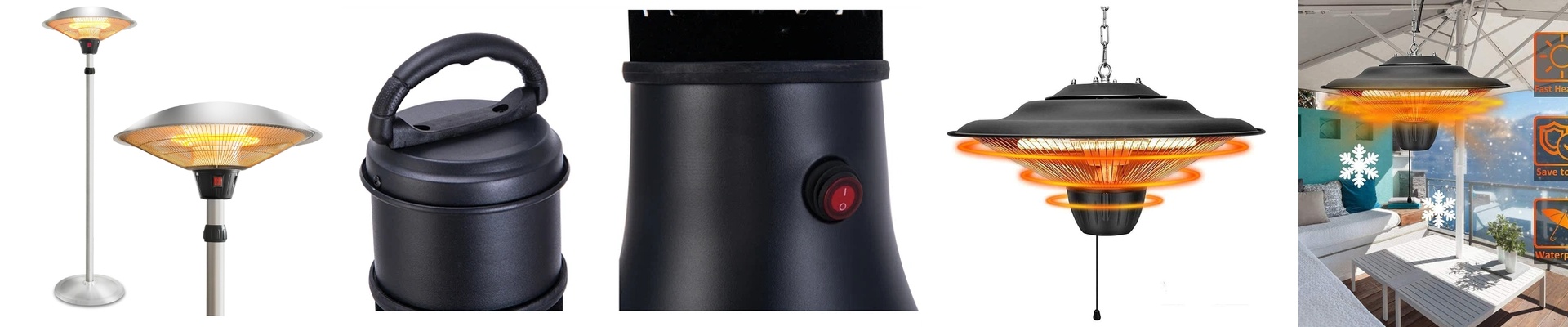
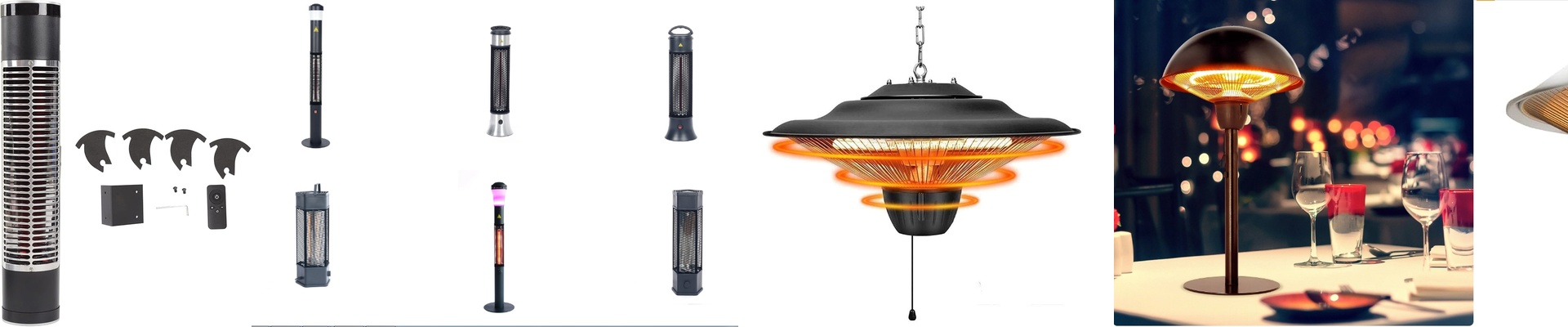
In off-grid bedrooms, kerosene heaters are common—but they’re loud, and they make a mess. Infrared changes the experience. No fan. No combustion. Just silence. The heat is radiant, which means it warms people and objects directly, instead of heating air that rises and disappears. It’s a different kind of comfort—more even, less drafty. And if you’re converting from kerosene to electric, it’s a straightforward swap. The footprint stays the same, the mounting geometry matches, and you can ditch fuel storage, wicks, and venting worries for good. Yes, you need to make sure your electrical setup meets the unit’s voltage and current needs. But the trade-off is worth it. You gain clean air and quiet operation. For engineers and facilities teams, the payoff shows up in ways that matter: cleaner indoor air, less maintenance, and performance you can rely on. If the goal is keeping bedrooms warm without polluting the air, infrared is the practical way to make it happen.