The Big Idea: Precision Beats Brute Force
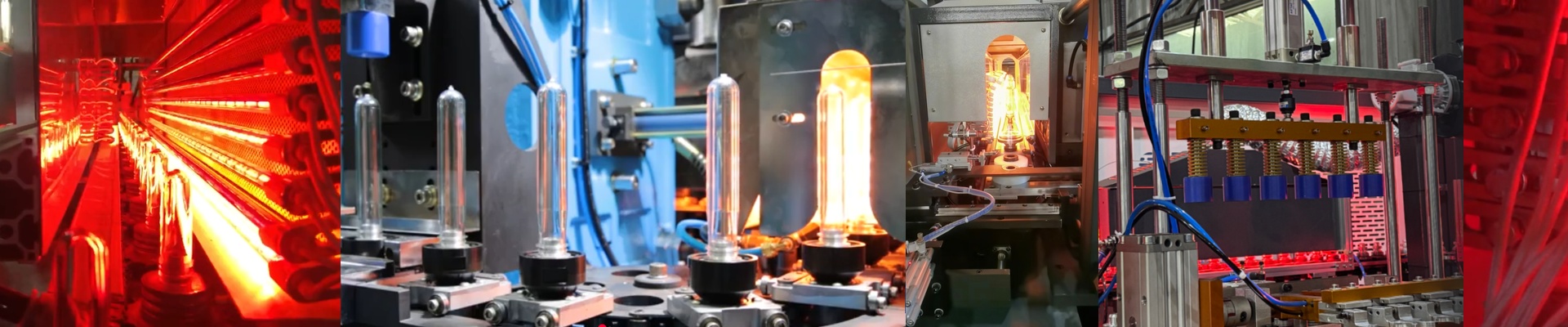
We built this low-wattage heater for one reason: to hit the mark where sheer power just misses. It’s all about harnessing infrared the right way. In our lab, we don’t just check the temperature—we map the full spectrum. The whole point is to match how your material soaks up heat, so every detail—wattage, voltage, even the shape—comes together for one purpose: heat that goes exactly where you need it.
What’s Under the Hood
Low wattage doesn’t mean weak. It means control. Run it at 400V, and you pack serious power into a compact tube. You get intense heat in a small space. The 300mm length? Chosen on purpose. It gives you a tight, focused heating zone without wasting energy on the edges. That means you can easily upgrade existing gear or design new machines that are leaner and more efficient. But here’s the catch: that concentrated energy runs hot. So you need to plan for it. Make sure your cooling system is up to the job.
Built to Take the Heat
The body is a quartz halogen tube—no accident there. Quartz handles the shock of flipping on and off, again and again. And the halogen cycle keeps the filament steady, hour after hour, for thousands of cycles. We also coat the tube to fine-tune the infrared wavelength, so the energy hits at just the right frequency. Then there’s the R7s connector. It’s the workhorse of the shop floor. Simple. Tough. A reliable bi-pin design that makes wiring a snap. It takes a beating in industrial settings and gives you a solid, low-resistance connection every time.
Made for Real Engineering Challenges
This setup was made for engineers who need heat they can count on, again and again. The low-wattage, high-density output shines when you need precise temperature control—think component drying, plastic welding, or curing thin films. It heats up fast. Cools down fast. And delivers repeatable results. And because of the R7s connector, swapping it out takes minutes, not hours. That means less downtime when you’re under pressure. The coated halogen design keeps the output steady, so your process stays stable, shift after shift.
The Trade-Off You Need to Know
Packing this much power into a 300mm tube means the component runs hot. No way around it. So treat it like what it is—a high-output part. Design your machine’s thermal management around it. Give it proper airflow or heat sinking. Do that, and you get a heater that’s tough, reliable, and ready for the long haul—whether it’s in the test chamber or on the production line. This isn’t just about heat. It’s about control. And for engineers who need that, it’s exactly what you’re looking for.