Beyond Just Warming Things Up: Getting Serious with Convector Heaters
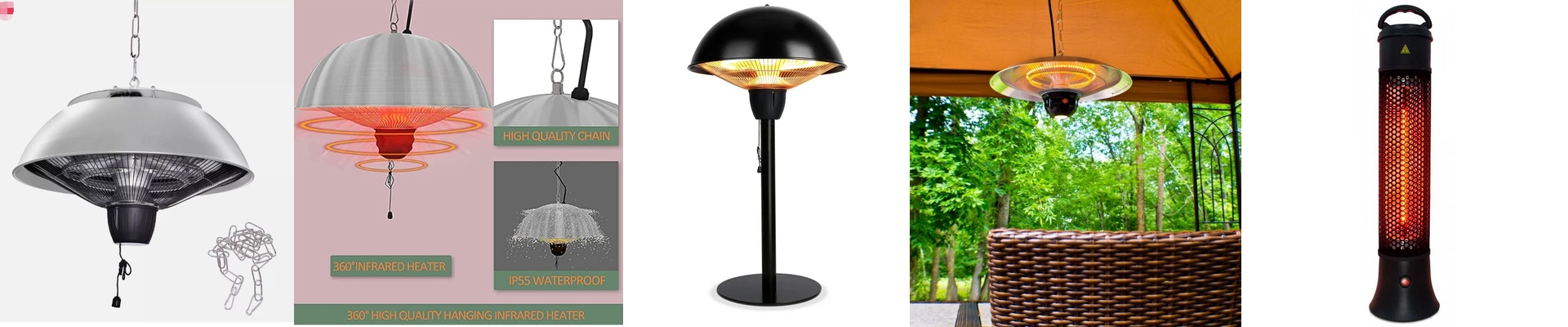
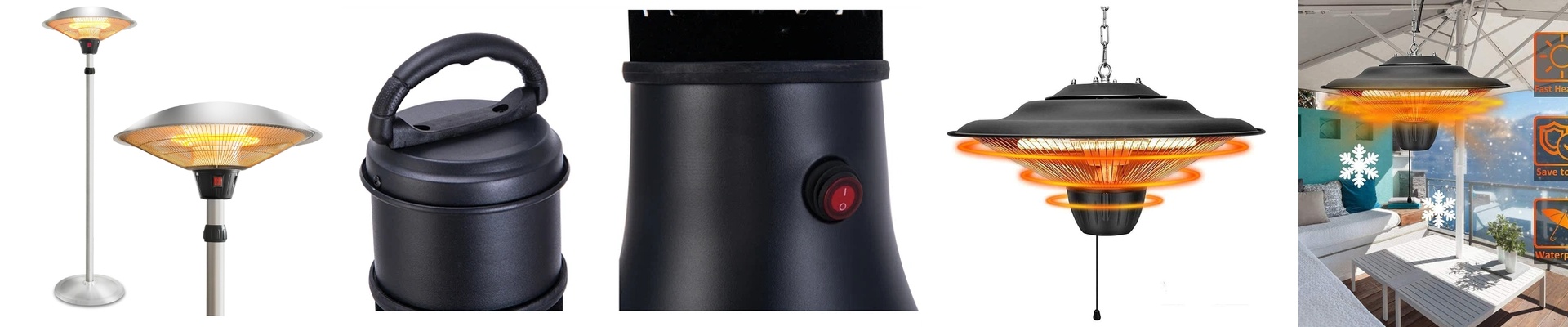
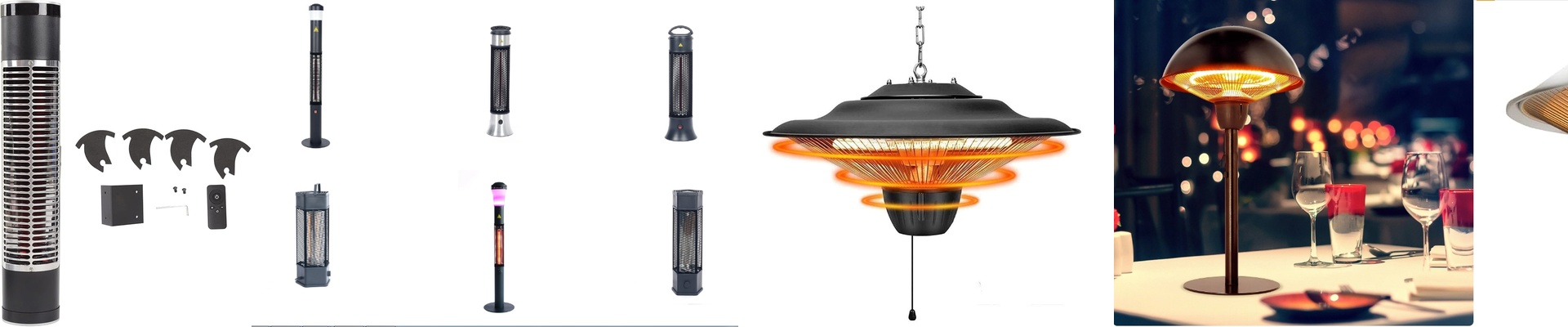
Here’s the thing: we don’t just build heaters to make a room feel toasty. We build systems that manage heat with real, honest-to-goodness precision. In the world of industrial heating, the goal isn’t just to get hot. It’s to hit that exact temperature you need, hold it steady, and do it without fail, day after day. That’s exactly what our convector heaters are built for.
Getting Under the Hood: Power, Voltage, and Size
At their core, these are forced-air heaters, but what really matters is the nuts and bolts: the electrical specs and the physical size. We load these heaters up with high-wattage elements, built for industrial voltages like 400V. This isn’t about warming up a living room. This is about delivering the kind of intense, engineered heat that large-scale processes demand. Wattage determines the heat load, and the dimensions determine where the unit can live. A compact footprint means it can slide right into tight machine spaces. But it also means the heat is concentrated. You get a fast ramp-up and tight control. But it also means your control system and ventilation need to be just as sharp as the heater itself.
The Inside Story: What Makes Them Tick
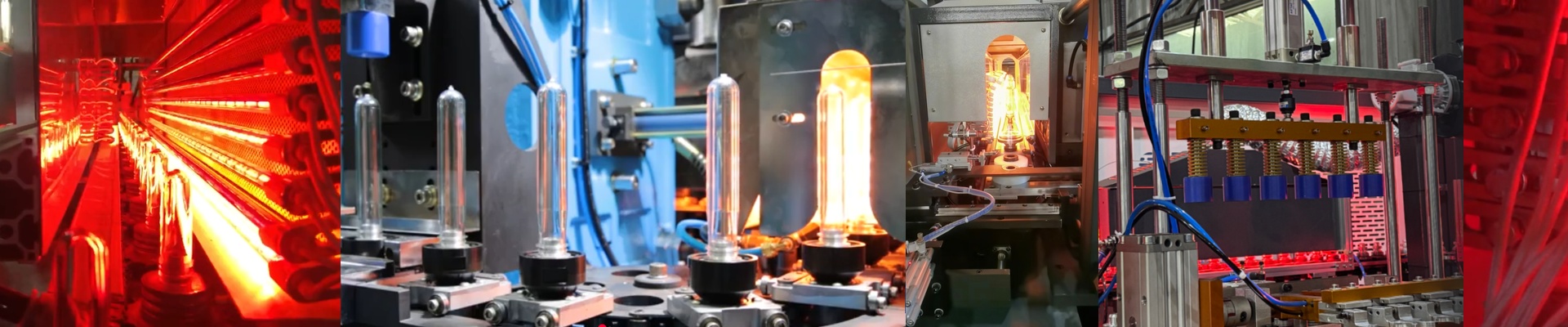
Inside, halogen elements get the job done fast. They deliver stable, clean heat without fuss. The quartz envelope can handle sudden temperature swings without cracking. Then there’s the coating. This isn’t just for looks. It’s a specialized shield that protects against harsh chemicals and oxidation. It keeps the element clean and ensures the heat output stays consistent over time. On the electrical side, we use R7s connectors for a secure, high-current connection. They’re built for repeated use and help prevent wiring mistakes out in the field. The whole design makes for easy drop-in replacement, so you spend less time down when maintenance day rolls around.
Built for the Grind: Where They Shine
We designed these heaters for the real work on the shop floor—machine enclosures, process heating, climate control in big facilities. The combination of high voltage, controlled wattage, and tough materials means you get performance you can count on. Installation is straightforward. Wire it up, and it holds its temperature, taking a beating without losing its punch. Now, there’s one thing to keep in mind. That concentrated heat means you need to pair it with proper cooling and thermal management. When you match the heater to the system, you get results that are stable and repeatable. That’s what precision thermal management looks like when it’s humming along on the factory floor.