



Stop letting your heating elements slow you down
If you’ve ever run a deck oven production line, you know the frustration of the bottleneck. You want to speed things up, but the generic, off-the-shelf bulbs just can’t keep up. You end up with cold spots or recovery times that feel like they take forever. It’s a headache. And usually, it means you’re forced to slow down the belt just to make sure the product actually cooks. We found a better way. Instead of messing around with standalone bulbs, we switched to custom infrared modules.
The trick to 110V heat
Here’s the thing about 110V infrared bulbs: the power density has to actually match the size of your oven. If the wattage or the length is off, you’re just wasting energy. We focus on short-wave infrared because it hits the product instantly. It doesn’t waste time heating up the air around it—it goes straight to the surface. That’s how you actually shave seconds off every single cycle without compromising the quality.
Why modules beat loose bulbs
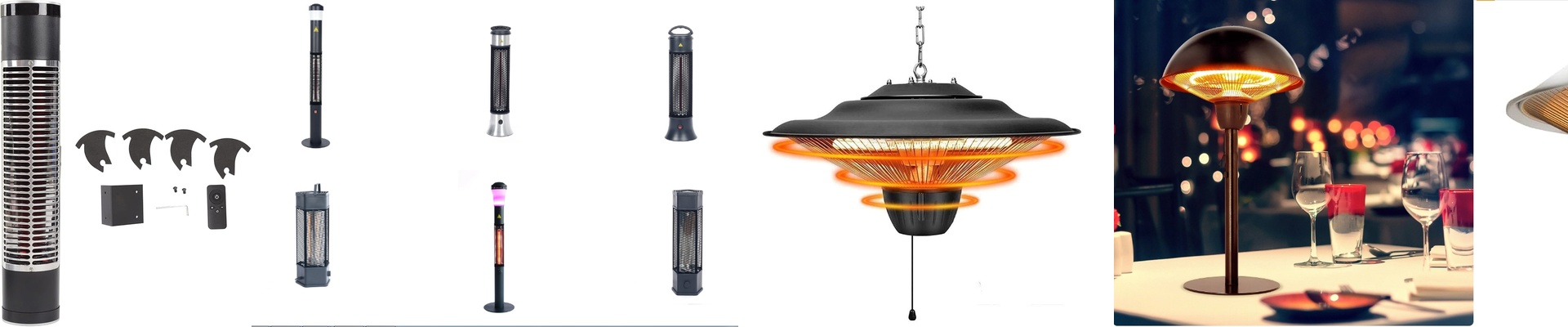
Let’s be honest: wiring up a bunch of individual bulbs is a maintenance nightmare. That’s why we build these into modules. We take that 110V lamp and pair it with a dedicated reflector and housing that pushes all that radiant energy exactly where it needs to go: straight down. It makes life so much easier. If a lamp burns out, you don’t have to spend an hour fiddling with wiring. You just swap the whole module and get the line moving again. Plus, we use quartz envelopes, so you don’t have to worry about the glass cracking when you’re cycling the heat rapidly.
A quick word of caution
Now, there is a trade-off. When you cram more wattage into a small 110V footprint, the housing gets hot. Really hot. You’ve got to make sure your oven’s ventilation can keep up with that extra ambient heat. If you don’t, you risk frying your control wiring over time. It’s a simple balance—just make sure your cooling matches your heat output, or you’ll end up trading a bit of speed for a lot of downtime.